MSME ministry seeks ₹6,000 crore to sustain khadi, village industries
The proposed five-year outlay through March 2031 aims to support rural livelihoods and preserve traditional industries as the sector faces pressure to modernise and adapt to changing market needs.
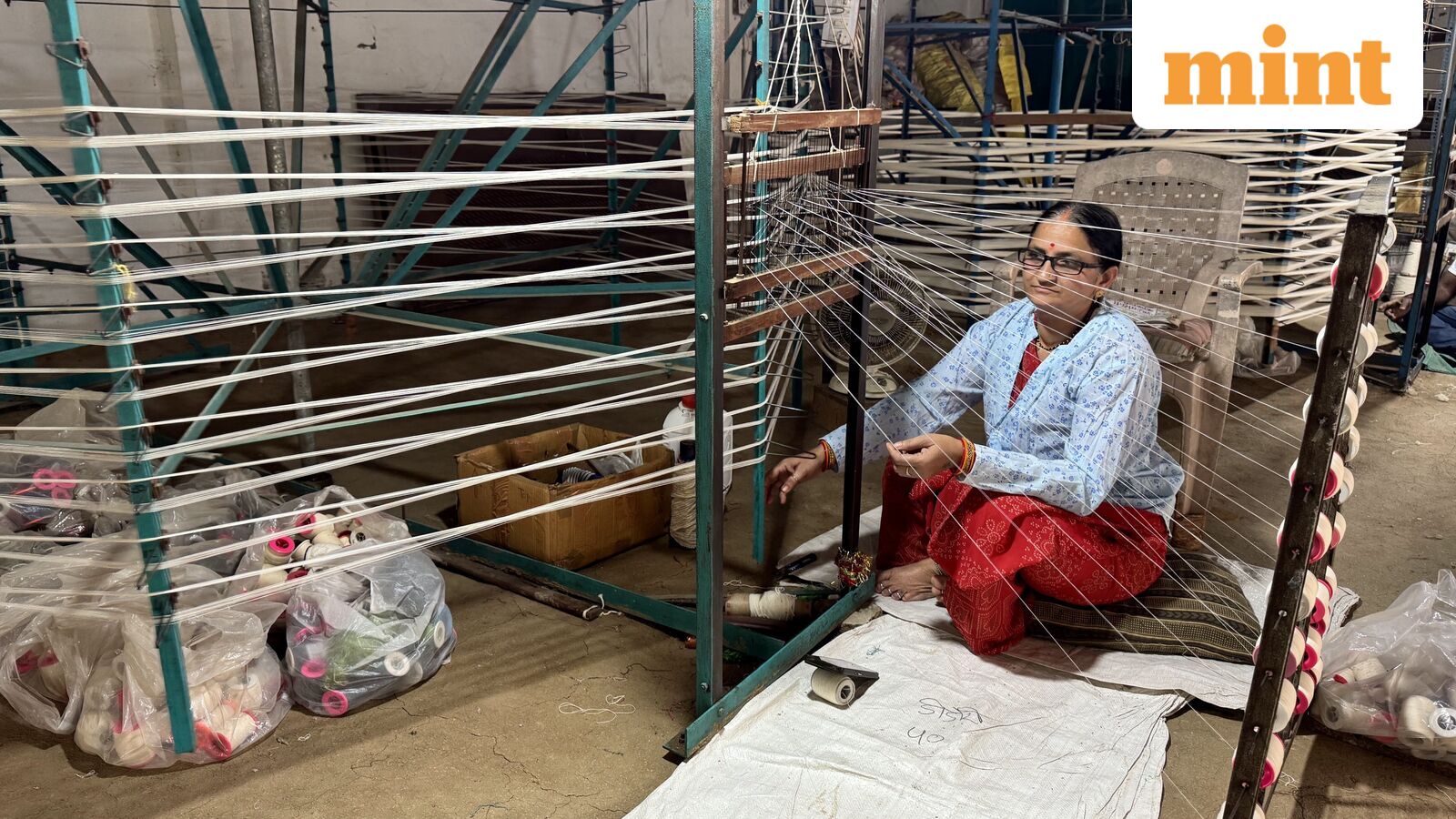
The Ministry of Micro, Small and Medium Enterprises (MSME) has requested ₹6,000 crore to fund its Khadi and Village Industries initiative for five years until March 2031. This financial assistance aims to support artisans, predominantly women and unemployed rural youth, as well as self-help groups and thousands of village industries.
The Khadi and Village Industries Commission (KVIC) estimates that about 20.4 million people were employed in khadi and village industries in the fiscal year 2026 (FY26), highlighting the significance of this sector for rural employment and income generation. The government's expenditure on the scheme amounted to ₹2,374 crore during the three years up to FY26.
The two components of the scheme are Khadi Vikas Yojana, which promotes and develops the khadi sector, and Gramodyog Vikas Yojana, which provides support for village industries through common facilities, technological modernisation, training, and other assistance. Discussions are ongoing regarding the Khadi Gramodyog Vikas Yojana, with plans to continue targeted support for this ecosystem.
Khadi and village industry product sales reached ₹1.87 trillion in FY26, a 20% increase from ₹1.55 trillion the previous year, with sales of khadi alone rising 10% to ₹7,869 crore from ₹7,145 crore in the same period. Wages for artisans increased to ₹15 per hank in FY26, up from ₹4 per hank in FY14. However, sustaining the sector requires more than financial support, as industry groups emphasize the need for infrastructure improvements, better practices, and stronger market linkages, especially for small businesses operating outside the formal economy.
Experts suggest that India can learn from international experiences like Japan's emphasis on skill transfer, Thailand's approach to community products for contemporary markets, and France's recognition of heritage enterprises. The sector's long-term prospects depend on its ability to adapt to changing consumer needs and production challenges, addressing demands for healthier products, better-quality textiles, and climate change concerns.
Written by urgent.news from Live Mint's reporting — not their text. Machine-written — may contain errors; check the original before relying on it.