Meow-sa! Newly released photographs show dazzling star formation that looks awfully cat-like
NASA has released a series of new photographs of the Cat's Head Nebula that showcases a colorful feline-shaped cloud where new stars are forming
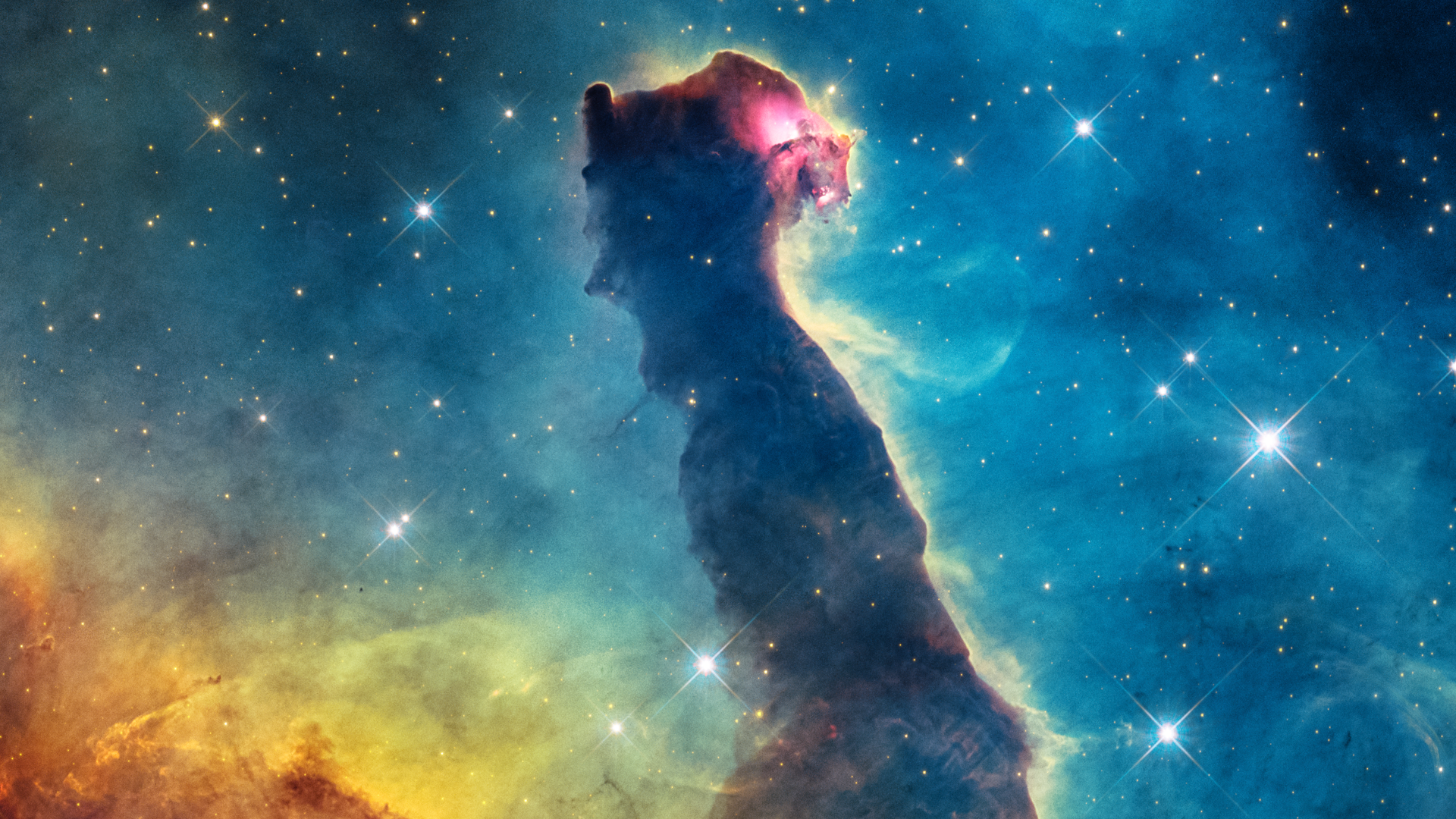
Astronomers have long been finding shapes among the stars, but a recently released set of photos from the Hubble and James Webb Space Telescopes has created quite the stir. The Carina Nebula, a star-forming region located approximately 7,500 light-years away from Earth, has earned the nickname Cat’s Head Nebula due to its striking resemblance to a seated cat with a glowing red "eye" – believed to be a young star still cloaked in dust.
Utilizing both the Hubble Space Telescope and the James Webb Space Telescope, NASA recently captured a diverse array of images showcasing the nebula's colors, offering researchers valuable insights into the intricate process of star formation. The Cat’s Head Nebula's unique appearance is not just a matter of aesthetic appeal; it also serves as a key area for researchers to study as stars develop.
While the Cat’s Head Nebula's cat-like shape is a temporary phenomenon, it provides a glimpse into the fascinating world of star formation. As light from the nebula takes 7,500 years to reach Earth, the nebula itself may already appear quite different. NASA predicts that the Cat’s Head Nebula's distinctive appearance is only temporary, and the stars will eventually disperse as the nebula evolves.
The combination of photographs from Hubble and James Webb Space Telescopes, captured using different wavelengths and cameras, not only creates visually stunning images but also provides a wealth of information for researchers. The rainbow-colored photographs taken by Hubble reveal the nebula's visible light, while the multi-colored background offers clues about the processes occurring as the young stars form.
Additionally, the James Webb Space Telescope's near-infrared and mid-infrared views allow researchers to peer through some of the dust clouds, unveiling more of the nebula's structure and hidden details.
Written by urgent.news from Digital Camera World's reporting — not their text. Machine-written — may contain errors; check the original before relying on it.