Malaysian restaurant chain Hai Kah Lang spotted heading to Hangzhou, bucking trend of inbound Chinese F&B brands
KUALA LUMPUR, Oct 29 — At a time when Chinese food and beverage brands such as Mixue, Chagee and Haidilao are expa...
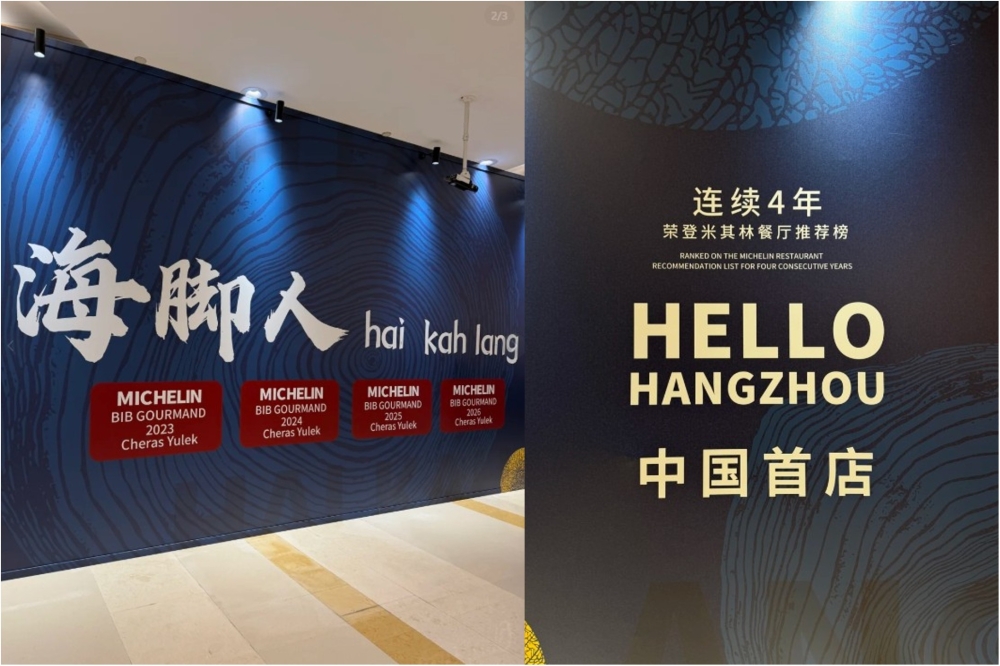
In a surprising turn of events, Malaysian seafood noodle chain Hai Kah Lang is reportedly set to open an outlet in Hangzhou, China, marking a departure from the usual trend of Chinese food and beverage brands venturing into the Malaysian market. The news comes as Chinese food and beverage companies like Mixue, Chagee, and Haidilao continue to expand their presence in Malaysia.
Hai Kah Lang, with its roots in traditional Chinese cuisine, aims to become the first Malaysian brand with Chinese culinary origins to establish a foothold in the Chinese market. The announcement was made through an Instagram post by Malaysian food and lifestyle platform KL Foodie, shortly after Hangzhou locals shared photos of Hai Kah Lang's arrival on the social media platform Xiaohongshu, also known as RedNote.
The planned Hangzhou location would be the second overseas market for Hai Kah Lang, following their opening in Singapore's Funan shopping centre in September 2025. Founded by Steven Tan in 2022, the chain began as a seafood steamboat restaurant in Kuala Lumpur before diversifying into seafood retail and eventually taking over a closing breakfast noodle shop.
Hai Kah Lang's popularity soared through word-of-mouth, earning it a Bib Gourmand distinction in the inaugural Michelin Guide Kuala Lumpur and Penang in 2023. The restaurant's menu features fresh seafood noodles, allowing patrons to select from a variety of seafood options, eight types of noodles, and five soup bases. The Michelin interview revealed that over 99% of the seafood used at Hai Kah Lang is wild-caught and sourced daily from Sabah, Indonesia, and the Philippines.
Tan, whose family hails from China's Chaoshan region, has yet to disclose the opening date and other specifics of the Hangzhou outlet at The Mixc shopping complex.
Written by urgent.news from Malay Mail's reporting — not their text. Machine-written — may contain errors; check the original before relying on it.