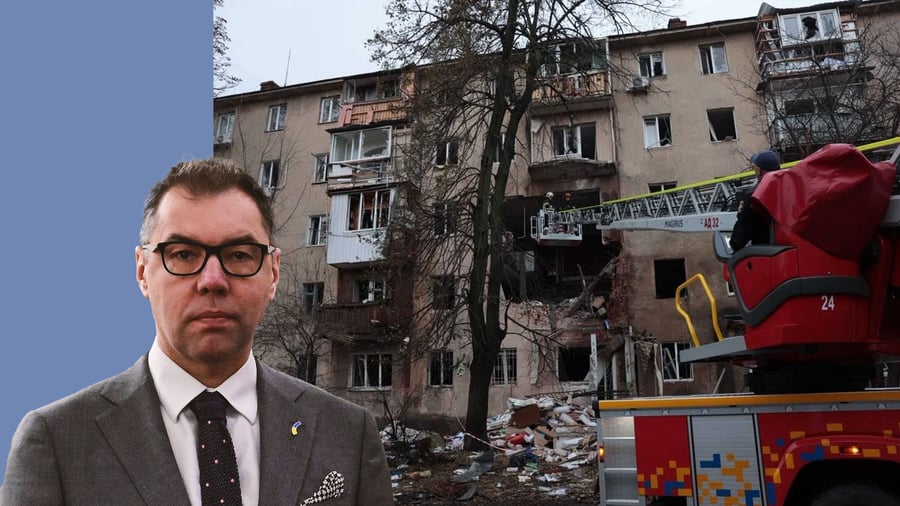
Kommentar: Der blinde Fleck der Debatte um die „Rente mit 63“
Für die abschlagsfreie Rente nach 45 Beitragsjahren zählen auch Kindererziehung, Krankengeld oder Arbeitslosigkeit. Ein neuer Vorschlag der Union stellt nun die Gerechtigkeitsfrage – zu Recht.

The ongoing debate surrounding the "pension at 63" remains unclear, and it is uncertain whether SPD politician Alexander Schweitzer intends to save this benefit as the new Federal Labour Minister. As an opposition politician in the Rhineland-Palatinate state parliament, Schweitzer previously opposed the abolition of the age pension after 45 contribution years.
In contrast, the Union in the Bund is resolute in its determination to eliminate this benefit in line with the Rentenkommission's proposal. While frontlines seemed hardened, several prominent voices within the SPD had expressed support for preserving this pension. Now, the Union is proposing a compromise: retaining the pension after 45 contribution years, but with considerably stricter rules for the accrual periods.
Union faction leader Thorsten Frei explicitly pointed out in a recent interview for "Caren Miosga" that 45 contribution years could possibly be reduced to just 38 working years. This assertion is accurate: to achieve the full 45 years, one does not necessarily need to work for 45 years. Time spent on unemployment benefits, mini-jobs with pension contributions, periods of sickness benefit, as well as compulsory military service are all counted towards the total.
Additionally, many years often combine through the accrual of parental leave, which is recognized up to the tenth birthday of each child.
Written by urgent.news from Handelsblatt's reporting — not their text. Machine-written — may contain errors; check the original before relying on it.
This story
This is one outlet's version. Read the fullest account.
- Commentary: The blind spot in the debate about the “pension at 63” handelsblatt.com