‘It’s not in your head’: Why pain may linger longer in women – even when scans are normal
Women are more likely to experience chronic pain, from migraines and fibromyalgia to endometriosis and painful periods. It isn’t simply about pain threshold. Experts explain why women may be more vulnerable and how persistent pain can be managed.
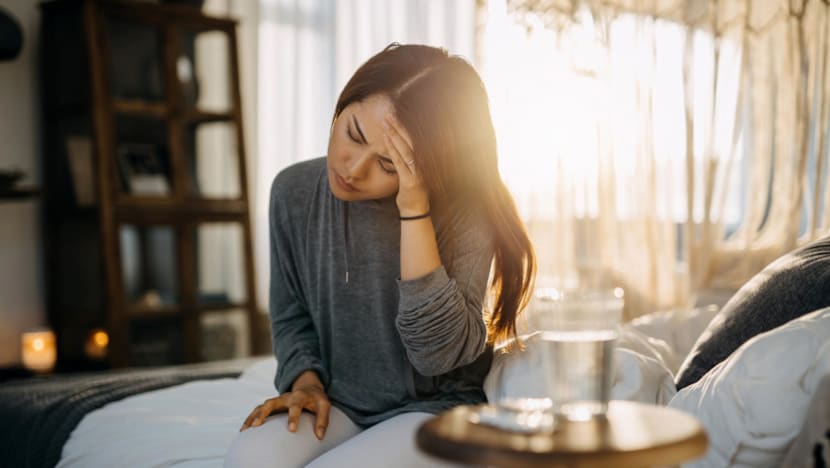
Women are more prone to experiencing chronic pain, ranging from migraines and fibromyalgia to endometriosis and menstrual discomfort. Experts explain why women may be more susceptible and provide guidance on managing persistent pain. Over the past decade, I have observed numerous health stories focusing on women's health, a common thread being the resilience women exhibit in enduring significant pain.
This was highlighted by an 18-year-old who suffered from severe headaches, spending most of her childhood and teenage years confined to her home. Another 29-year-old became emotional upon learning a doctor finally took her intense period cramps seriously, eventually discovering she had severe endometriosis invading her fallopian tube, colon, and rectum.
These personal accounts prompted me to investigate why persistent pain appears more prevalent in women, despite normal scan results.
Numerous studies have indicated that women are more likely to develop certain chronic pain conditions, but the underlying reasons are intricate. A global study published in Nature Medicine in October revealed that women across 118 countries reported pain in 11 body sites more frequently than men. Another study published in Science Immunology this February suggested biological differences may explain why pain persists longer in women.
The research found that female mice experienced slower pain resolution compared to male mice, attributing this to differences in immune cells involved in suppressing pain. In males, these cells were more active due to higher testosterone levels, while in females, the slower resolution was due to less active monocytes – a type of white blood cell in the immune system.
Similar patterns were observed in human patients recovering from traumatic injuries, with lead researcher Dr Geoffroy Laumet from Michigan State University stating, "The difference in pain between men and women has a biological basis. It's not in your head, and you're not soft. It's in your immune system."
While this biological perspective is crucial, it is not the sole factor. Pain specialist and anaesthesiologist Dr Diana Chan, medical director of Advanced Pain Specialists, emphasizes that pain is a complex biological experience influenced by hormones, immune and neural pathways, as well as psychological and social factors. Dr Chan explains that pain acts as a "fight or flight response," sending signals from the injured area to the brain to prompt avoidance or interpret bodily issues.
However, sometimes these signals continue even after the injury has healed. Dr Chan notes that chronic pain, defined as pain lasting beyond three months and impacting daily life, may represent a malfunction of the pain response system rather than a protective mechanism.
At KKH Women's Pain Centre, around 100 new and follow-up consultations are held annually for pain-related conditions, including chronic back and limb pain, abdominal pain, headaches, and post-trauma pain. Certain conditions, like fibromyalgia, migraines, irritable bowel syndrome, rheumatoid arthritis, osteoarthritis, and female-specific issues such as endometriosis and painful periods, are more commonly experienced by women.
Dr Singaraselvan Nagarajan, senior consultant and head of the Department of Women's Anaesthesia at KK Women's and Children's Hospital (KKH), stresses the importance of believing patients when they report pain, even when scans appear normal. He explains that scans reveal structural changes but do not quantify the patient's subjective pain experience.
Dr Singaraselvan and colleagues at KKH's Women's Anaesthesia have conducted research showing that persistent pain following surgeries like Caesarean delivery, hysterectomy, and breast cancer surgery is influenced by various biological, psychological, and social factors. Ultimately, addressing chronic pain in women requires a comprehensive approach that considers both biological differences and the broader context of each individual's experience.
Written by urgent.news from CNA - Singapore's reporting — not their text. Machine-written — may contain errors; check the original before relying on it.