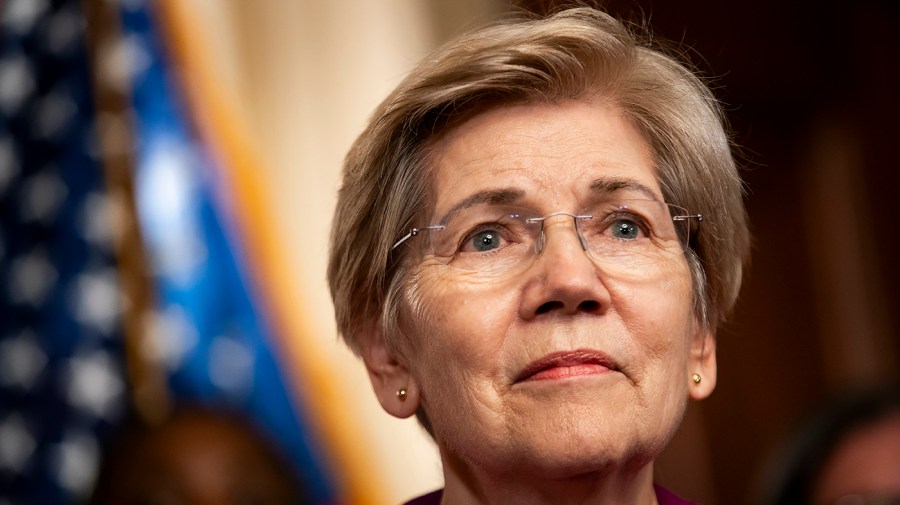
Israeli parties begin coalition talks with all votes counted
Israeli politicians have begun talks on forming a government as the country finished counting votes in its general election, confirming neither Prime Minister Benjamin Netanyahu nor his main rival Gadi Eisenkot has a clear path to power. With all votes in, Mr Netanyahu's Likud party was the largest with 20.5 per cent of the vote – a better-than-expected result that gives Israel 's longest-serving…
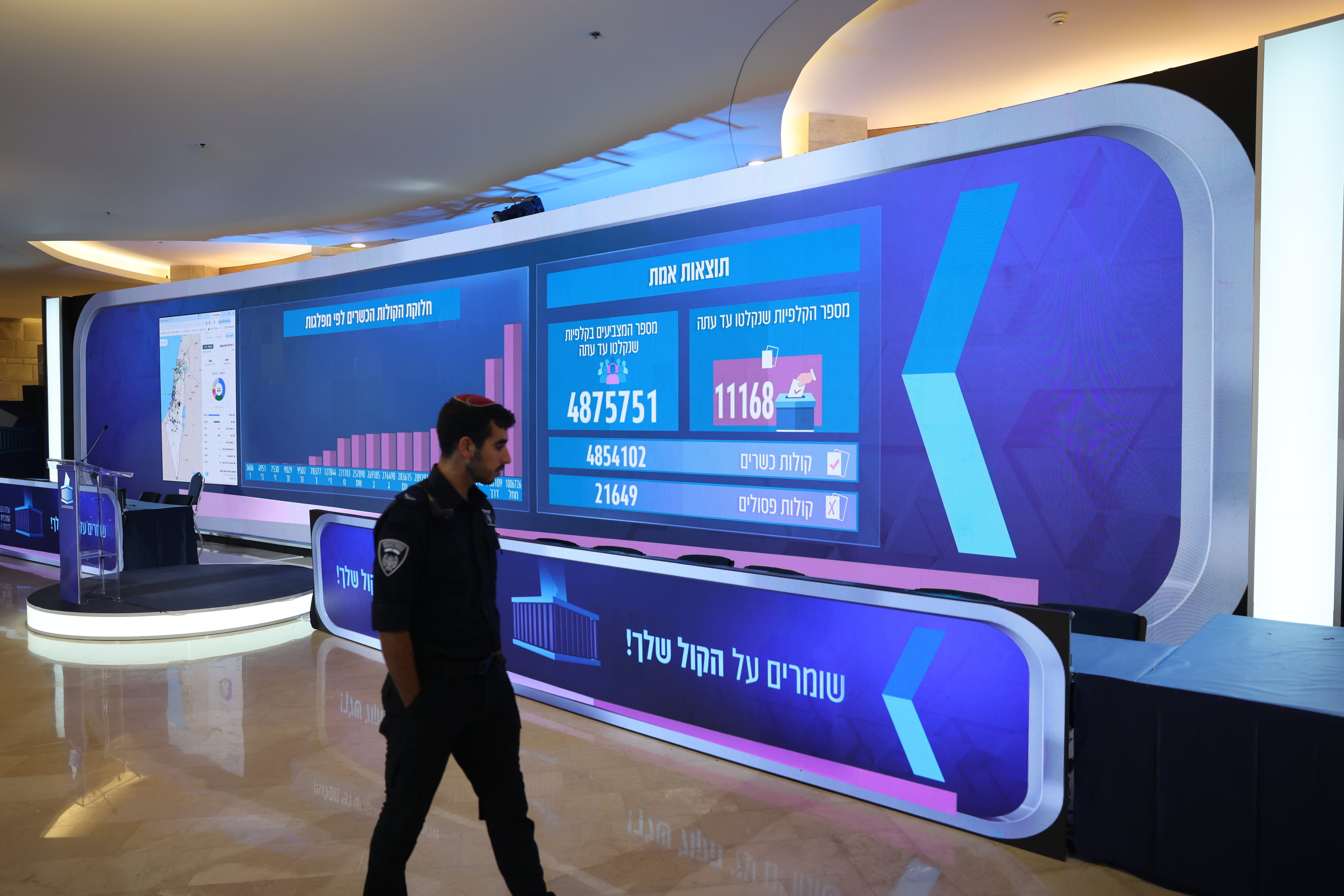
Israeli politicians have commenced discussions on forming a government following the completion of vote counting in the nation's general election, which revealed neither incumbent Prime Minister Benjamin Netanyahu nor his chief rival Gadi Eisenkot holds a clear path to power. Despite a surge in voter turnout, particularly in Arab communities, neither leader has secured the 61 seats required for a majority in the 120-member Knesset.
Netanyahu's Likud party emerged as the largest with 20.5% of the vote, while Eisenkot's Yashar party came in second with 16.1%. With all votes counted, Netanyahu's right-wing coalition partners secured 53 seats, while parties backing Eisenkot amassed 48 seats. Arab parties achieved a record performance, winning the remaining 19 seats.
The final tally has left Israel in a political limbo, with the President urging parties to negotiate a government formation without resorting to an early general election. Netanyahu's Likud-led bloc has 27 seats, while the group led by controversial ministers Itamar Ben-Gvir and Bezalel Smotrich together hold seven and six seats respectively.
Additionally, two ultra-Orthodox parties contribute to the remaining seats. The opposition camp, led by former Prime Ministers Yair Lapid and Naftali Bennett, holds 12 seats. The Arab Joint List, a coalition of Arab parties, secured 11 seats, with Raam party contributing eight seats. Despite various possibilities for forming a coalition, none appears easy, with leaders of the Arab parties offering their support to Netanyahu's opposition, a move that could potentially provide Eisenkot with a majority.
However, this arrangement could face significant controversy in Israel and some members of the Eisenkot bloc have ruled it out during the campaign. Talks to form a new government started immediately after the election results, with Eisenkot expressing his commitment to resolving the political crisis, but providing no specifics on the process.
Written by urgent.news from The National UAE's reporting — not their text. Machine-written — may contain errors; check the original before relying on it.
Also reported by 1 other outlet
- Israeli parties begin coalition talks with all votes counted thenationalnews.com