Israel piles pressure on Arab parties as Netanyahu seeks government
With nearly all votes counted, Benjamin Netanyahu’s bloc has 53 seats and opposition forces led by Gadi Eisenkot 48, both short of the 61 needed to form a government.
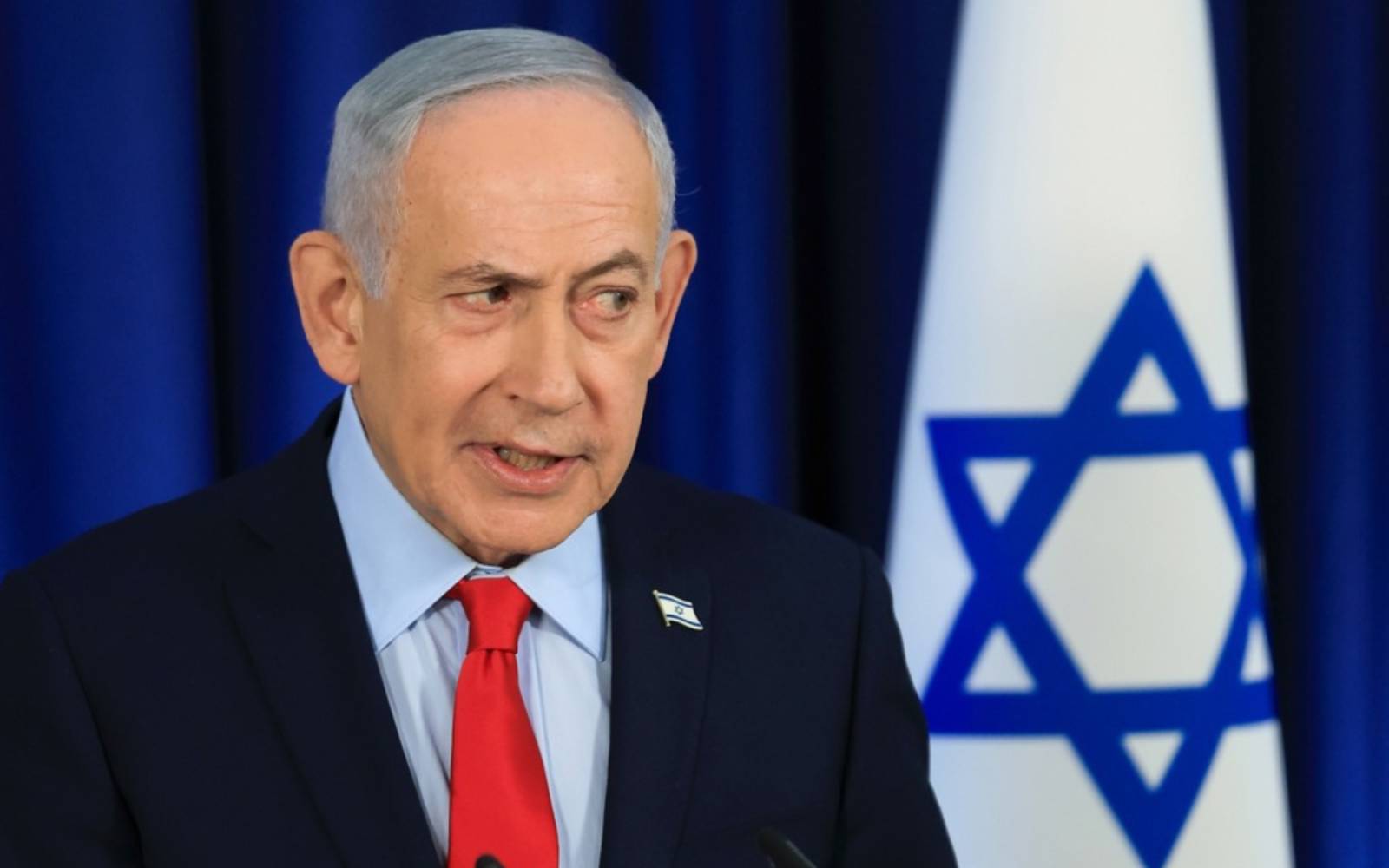
Israeli Prime Minister Benjamin Netanyahu's bloc is applying pressure on Arab-Israeli leaders amidst accusations of foreign funding, in an effort to undermine their potential influence in forming a government following an inconclusive election. President Isaac Herzog, in a largely symbolic role, called for an investigation into the allegations but warned against singling out the entire Arab-Israeli community, which demonstrated unprecedented voter turnout during the election.
The accusations, denied by the Arab parties, could inject further uncertainty into the electoral process, especially as the region grapples with the looming threat of an Israeli and US attack on Iran. The opposition bloc, led by former military chief Gadi Eisenkot, accused Netanyahu of attempting to delegitimize the election results and delegitimize the Arab community.
Election officials reported soaring participation by Arab-Israeli voters, descendants of Palestinians who remained in Israel after its founding in 1948. These voters were motivated by outrage at calls from officials like security minister Itamar Ben Gvir to treat the Arab community in the same manner as Palestinians in Gaza and the West Bank.
Israeli security services are investigating allegations that the Arab grouping Raam received funds from Qatar, a Gulf powerbroker with ties to Hamas, though the Raam chief vehemently denied any wrongdoing.
The Joint List, a coalition of three Arab-majority parties, accused Netanyahu and his allies of a campaign of incitement aimed at exploiting fears of Arab citizens' political strength. The Shin Bet security service, conducting the investigation, stressed that it was not attempting to cast aspersions on the entire Arab community, emphasizing that the inquiry was ongoing and not intended to blame any particular group.
The current vote tally sees Netanyahu's Likud party at 53 seats and the opposition bloc led by Eisenkot at 48, both falling short of the 61 seats required to form a government. The two Arab formations are on track to secure an unprecedented 19 seats between them.
Written by urgent.news from Free Malaysia Today's reporting — not their text. Machine-written — may contain errors; check the original before relying on it.
This story
This is one outlet's version. Read the fullest account.
- Israel piles pressure on Arab parties as Netanyahu seeks government dawn.com
- Israel piles pressure on Arab parties as Netanyahu seeks government freemalaysiatoday.com
- Arab parties emerge as kingmakers as Netanyahu bloc falls short nst.com.my
- Israel Election Count: Netanyahu’s Bloc Leads With 54 Seats, Eisenkot-led Bloc 49, Arab Parties 17 thisdaylive.com
- Netanyahu’s bloc falls to 53 seats as Israel counts 85.6 percent of ballots middleeasteye.net
- Benjamin Netanyahu: Israel's longest-serving PM fights to survive al-monitor.com
- Arab voter turnout surges as parties projected to nearly double their seats ynetnews.com
- Netanyahu warns against government with Arab parties israelnationalnews.com