Intel confirms Nova Lake will use advanced 18A-P node, more details at CES — company says it's taking Panther Lake capacity offline to build more Granite Rapids data center CPUs
Intel's next-gen Nova Lake desktop processors will be the first client product to use Intel's enhanced 18A-P node, CEO Lip-Bu Tan confirmed in the company's Q3 2026 earnings call.
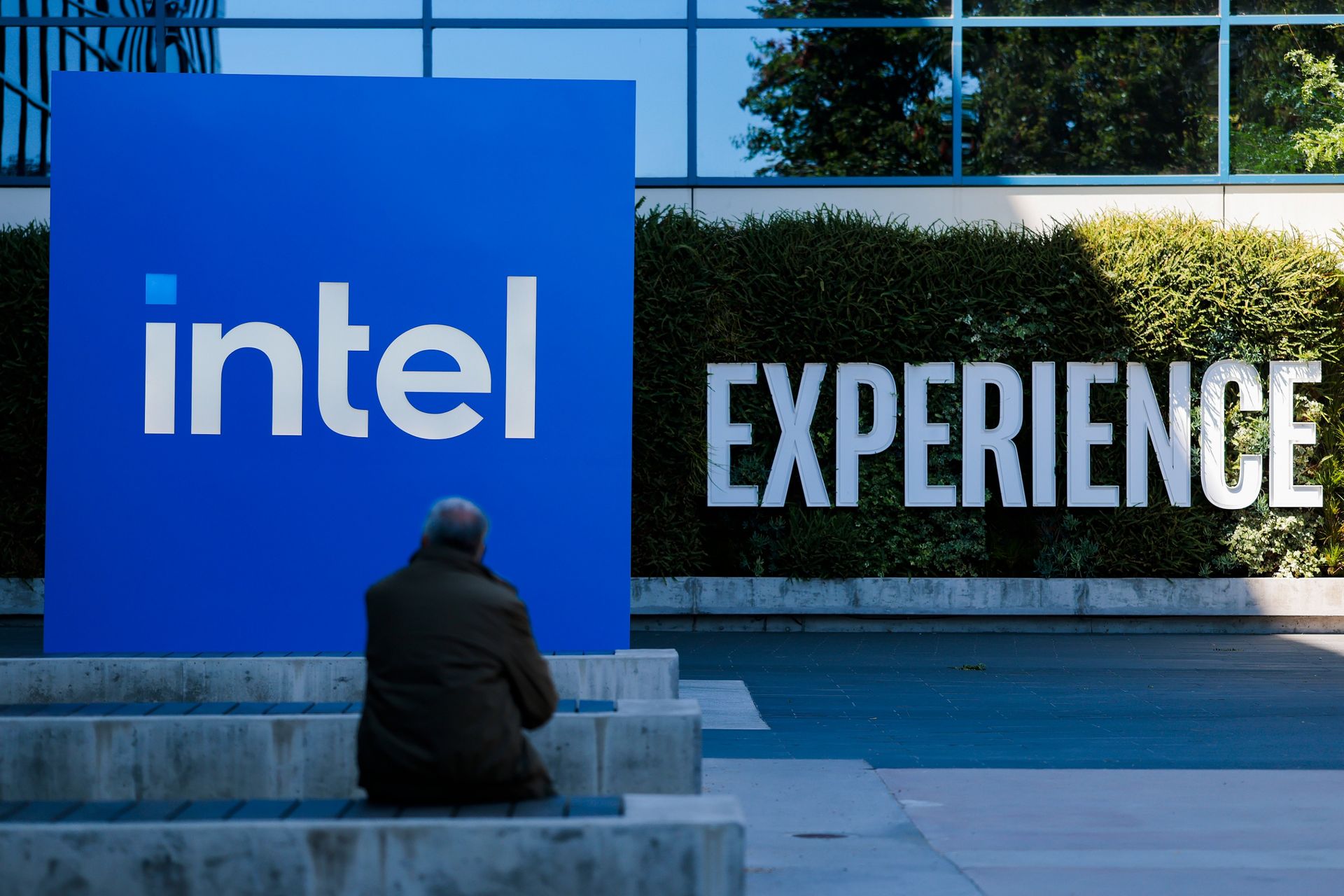
Intel's upcoming Nova Lake desktop processors will be the first client product to employ Intel's enhanced 18A-P node, according to CEO Lip-Bu Tan during the company's Q3 2026 earnings call. Tan also hinted that more details about Nova Lake will be revealed at CES in January.
Intel CFO Stacy McCoy revealed that Intel plans to take capacity away from Panther Lake to focus on producing more Granite Rapids data center CPUs. The detailed explanation of Nova Lake's expectations and its connection to the return of Raptor Lake for DDR4 platforms was provided by Intel VP Robert Hallock.
Intel's strategy for desktop CPUs seems to be a two-pronged approach, with the company's OEM partners managing inventory to match softer sell-through. Intel has noted that client business is expected to decline by more than 20% in the next quarter, with a further contraction in the PC market over the next year. The market size for 2026 is projected to decline by approximately 12%, while second-half units might see a decline of more than 20%.
Intel does not expect a sustained recovery until memory availability improves and prices become more normalized.
Intel's long-term outlook remains positive, with CEO Zinsner stating that he believes the PC market will experience a renaissance despite the memory shortage. However, Intel is taking some of its client capacity offline to produce more data center products. In response to a question about reallocating wafers from client products, Zinsner revealed that Intel is taking offline 18A wafers, which were generally used for Panther Lake products, to produce more data center wafers.
Written by urgent.news from Tom's Hardware's reporting — not their text. Machine-written — may contain errors; check the original before relying on it.