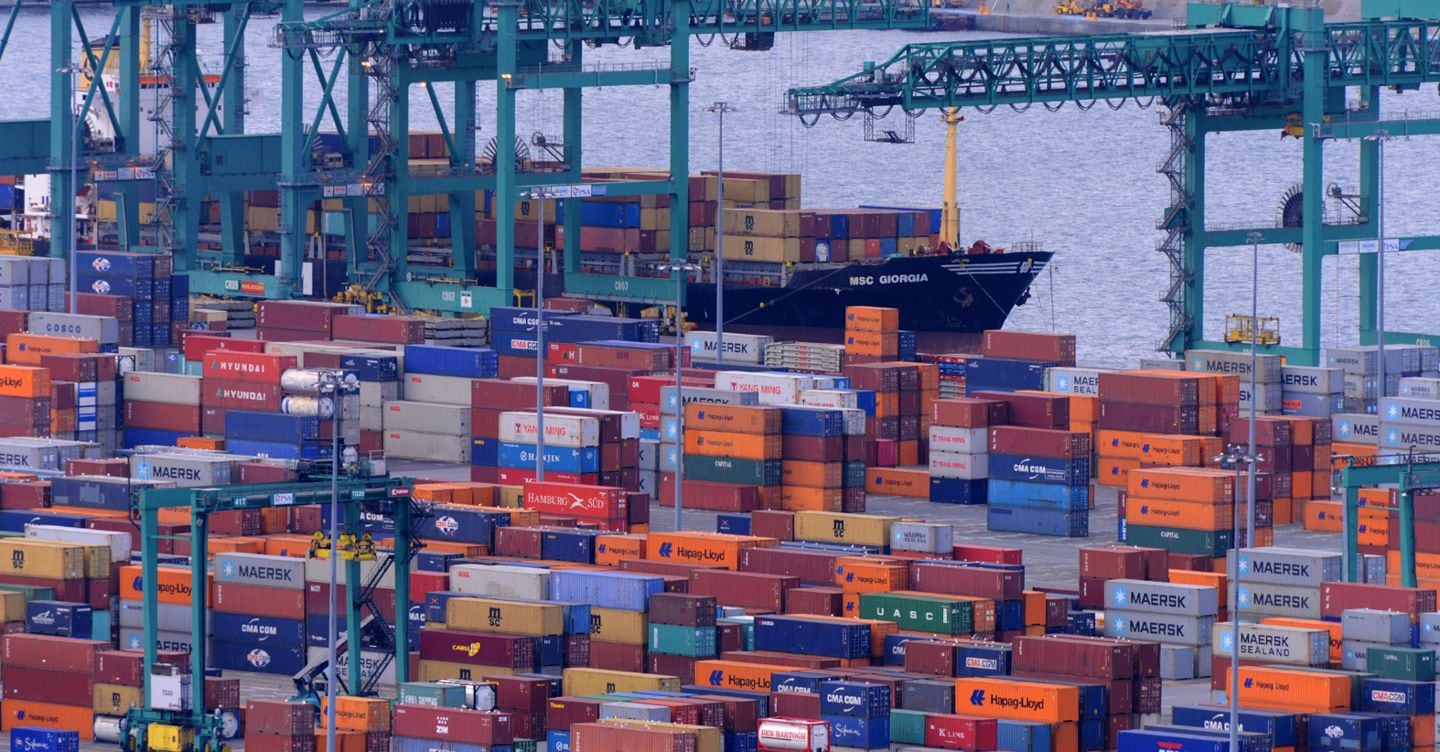
IMF's Jihad Azour on the deepest oil shock in history and the region's road to recovery
The war with Iran has delivered the deepest oil and gas shock in modern history, deeper than the crises of 1974 and both Gulf Wars. Yet its effect on prices and markets has been far milder than in previous episodes, the International Monetary Fund said. For Jihad Azour, director of the IMF’s Middle East and Central Asia department, that resilience is the result of years of economic…
The Iran-Iraq conflict has plunged the oil and gas sector into its most severe shock since records began, surpassing even the turbulence witnessed during the 1974 crisis and both Gulf Wars. Nevertheless, the IMF has observed that the repercussions on prices and markets have been comparatively less severe, attributing this to the Gulf region's years of economic diversification and robust policy frameworks.
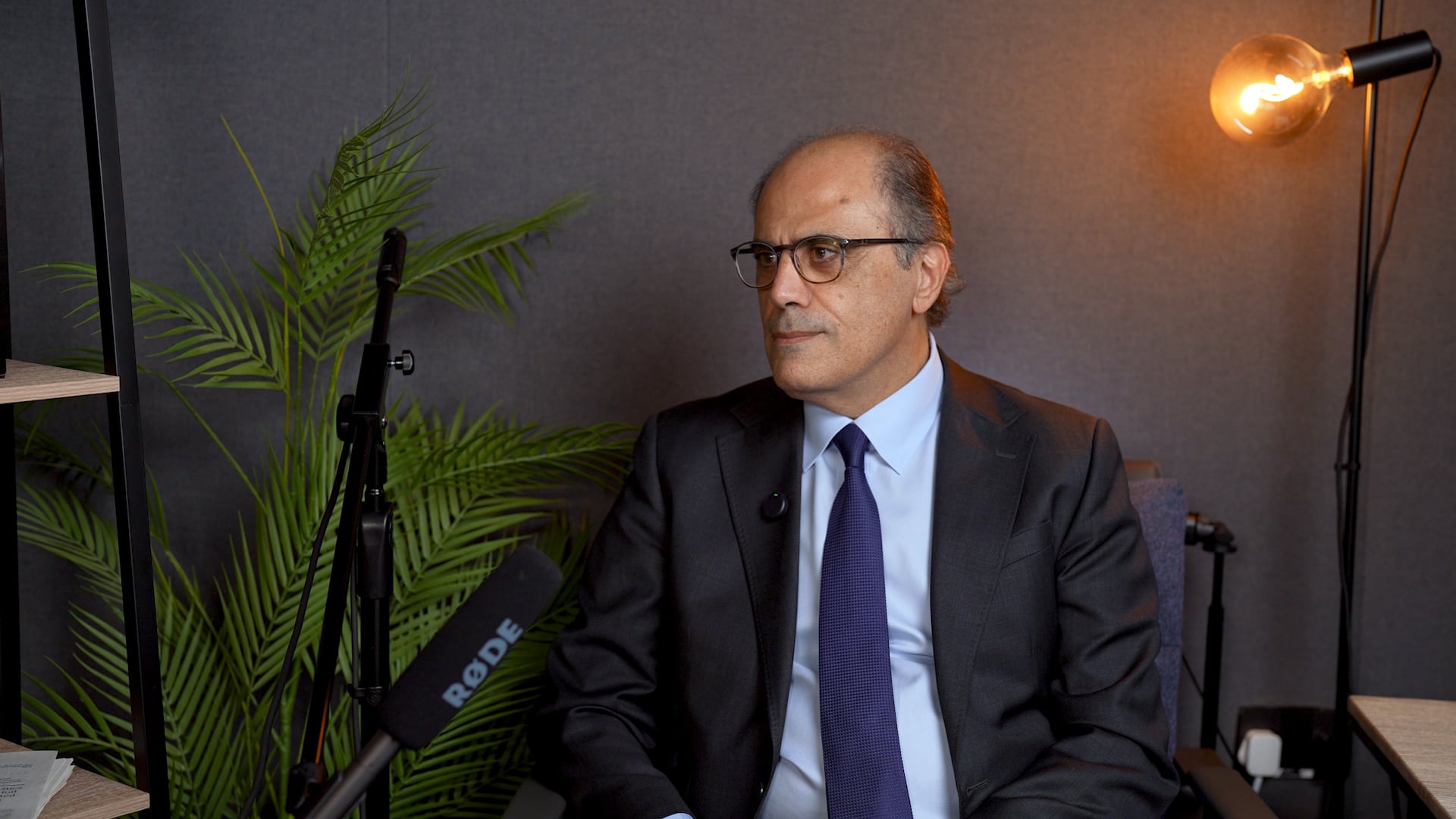
Jihad Azour, the director of the IMF’s Middle East and Central Asia department, elaborated on this matter in an interview with The National’s Editor in Chief, Mina Al-Oraibi.
Azour pointed out that the IMF forecasts a recession this year, followed by a robust recovery in 2027. When discussing the varying degrees of impact across the region, he emphasized that the UAE, Qatar, and Saudi Arabia have invested over $150 billion in artificial intelligence (AI), positioning them nearly on par with advanced economies. He further elaborated on the Gulf's potential to form closer ties with the Levant through new trade routes to the Mediterranean, as well as the influence of renewed geographical focus.
Turning the conversation towards Iran, Azour predicted a 9% contraction in the economy, compounded by hyperinflation and a weakening currency. For Iraq, he highlighted that 80% of oil exports traverse the Strait of Hormuz, accounting for 90% of state revenue. The discussion also delved into Syria, where growth is anticipated to exceed double digits this year.
In another segment, the conversation turned to Lebanon, which faces a war that has displaced a fifth of its population and a financial collapse that has persisted for seven years. Finally, the interview touched upon Egypt, where inflation has decreased from 50% to 14% since the last major shock. Azour pondered the potential of AI as a transformative technology, questioning whether it represents a financial bubble. He concluded by emphasizing the region's capacity to benefit from this cutting-edge technology.
Written by urgent.news from The National Business's reporting — not their text. Machine-written — may contain errors; check the original before relying on it.