Goyal says India-US trade deal will show farmers’ interests are protected
Goyal also defended the government's decision to withdraw from the China-backed Regional Comprehensive Economic Partnership (RCEP), saying that joining the free trade bloc would have sounded the death knell for India's manufacturing ambitions.
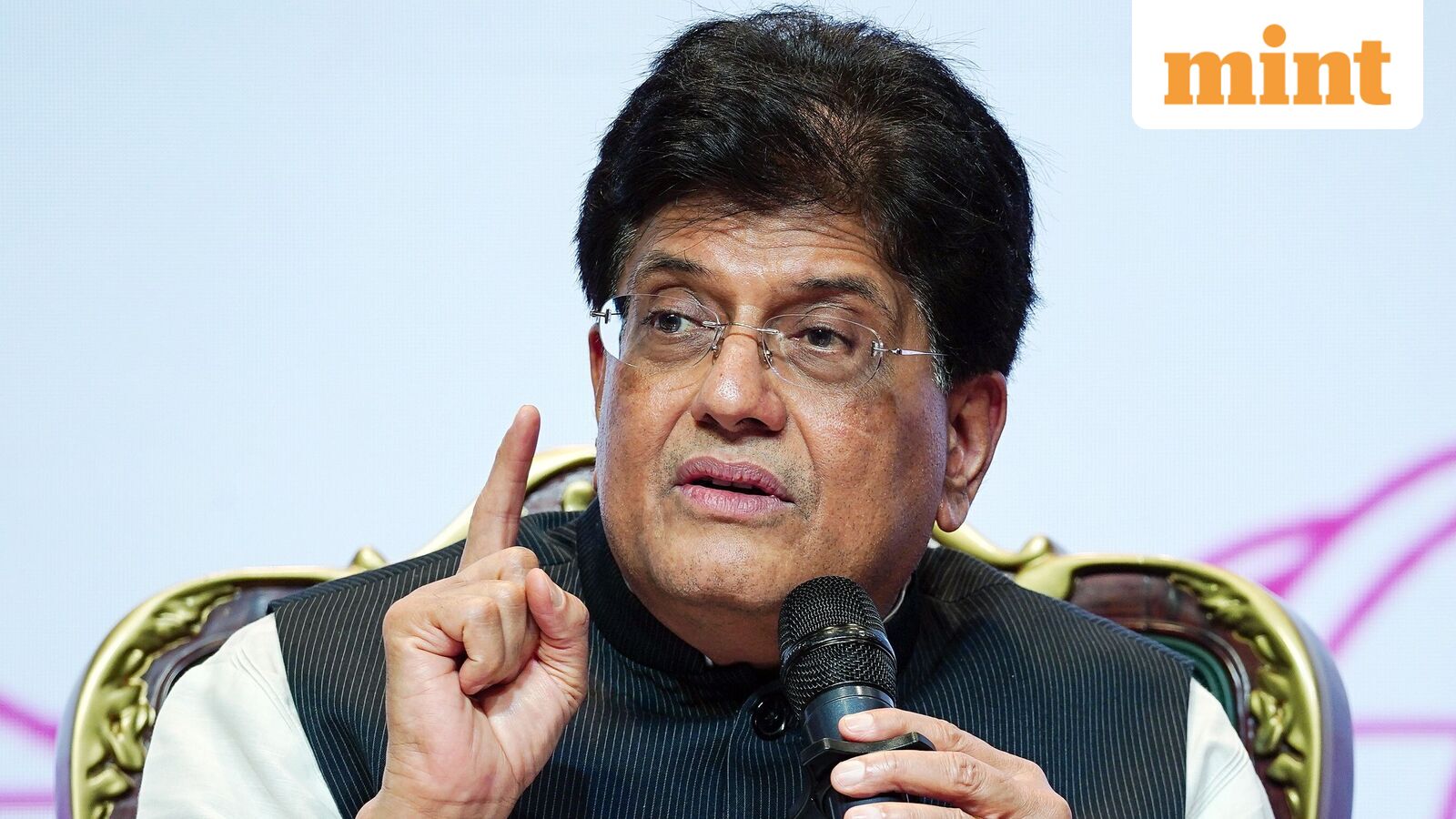
Commerce and Industry Minister Piyush Goyal conveyed confidence that the forthcoming details of the India-US trade agreement would demonstrate that India had protected the interests of farmers and other stakeholders while gaining a significant competitive edge. The trade deal extended beyond tariff reductions, rules of origin, and market access, also covering services, investments, education, skill development, technology partnerships, and climate cooperation.
Goyal explained that India's existing nine free trade and bilateral agreements had opened preferential market opportunities in economies with a combined GDP of $60 trillion, compared to the $10 trillion covered by agreements from before 2014.
Goyal defended the decision to withdraw from the China-backed Regional Comprehensive Economic Partnership (RCEP), arguing that joining the free trade bloc would have undermined India's manufacturing ambitions, potentially turning the nation into a mere marketplace for Chinese goods. He asserted that the RCEP, comprising China, Japan, South Korea, Australia, New Zealand, and the 10 ASEAN countries, would have inadvertently allowed Chinese products to enter India's market without sufficient tariff protection.
The minister emphasized that India's trade agreements aimed to create mutually beneficial opportunities, with India exporting goods that its partners required and importing necessary items for its own growth. Goyal described such partnerships as win-win arrangements. He stressed that trade was fundamentally about comparative advantage and competitiveness rather than just numerical figures.
Goyal noted that some developed countries had structured their tariff schedules to impose high duties on labor-intensive goods as leverage during negotiations. India's trade negotiations prioritized the protection of sensitive sectors and facilitated access to advanced technologies, such as graphics processing units (GPUs), memory technology, and medical technology, essential for the country's development.
The minister identified four key factors that would drive India's industrial transformation: quality, global market access, economies of scale, and inclusivity. He reiterated Prime Minister Narendra Modi's focus on "Zero Defect, Zero Effect" and urged Indian manufacturers to concentrate on quality and leverage trade agreements to expand their global presence.
With a domestic market of 1.4 billion people and access to international markets, Indian manufacturers could achieve economies of scale, affordable production, and competitive costs, Goyal argued.
Goyal highlighted India's growing international recognition of its talent and skills, citing the demand for Indian professionals in senior positions at Fortune 500 companies and their contributions to cutting-edge technologies. He expressed confidence that India would continue to be the world's fastest-growing major economy for the next 20-25 years, attributing this prospect to the nation's talent, skills, and energy.
On climate action, Goyal emphasized that global efforts should be guided by the principles of the polluter pays and common but differentiated responsibilities, with adequate financial and technological support for developing countries. He noted that 60% of India's installed electricity capacity came from green and renewable sources, while coal remained crucial for energy security and affordable power.
Goyal stated that the Make in India initiative and phased manufacturing programs had facilitated the establishment of factories in India and increased domestic production. He emphasized that India had transitioned from being primarily a buyer of products manufactured abroad to a country increasingly known for manufacturing. Goyal highlighted that innovation would be central to industrial transformation, emphasizing the need for collaboration among government, private enterprises, academia, and research institutions.
He also mentioned the Startup Fund of Funds, with the first fund fully utilized and the second in place, as well as the Research, Development and Innovation Fund, which had bolstered India's innovation ecosystem and made the country home to the world's third-largest startup ecosystem. Lastly, Goyal mentioned India's space economy, valued at $8.4 billion, with the potential to reach $44 billion by 2033, and growing international interest in collaborating with India in space, artificial intelligence, computing, and startups.
Written by urgent.news from Live Mint's reporting — not their text. Machine-written — may contain errors; check the original before relying on it.