Geldpolitik: EZB: Keine Zinserhöhung trotz steigender Inflation
Hohe Preise für Heizen und Tanken infolge des Iran-Kriegs treiben die Verbraucherpreise nach oben. Dennoch wartet die EZB vorerst ab. Das hat auch mit der Lage in Frankreich zu tun.
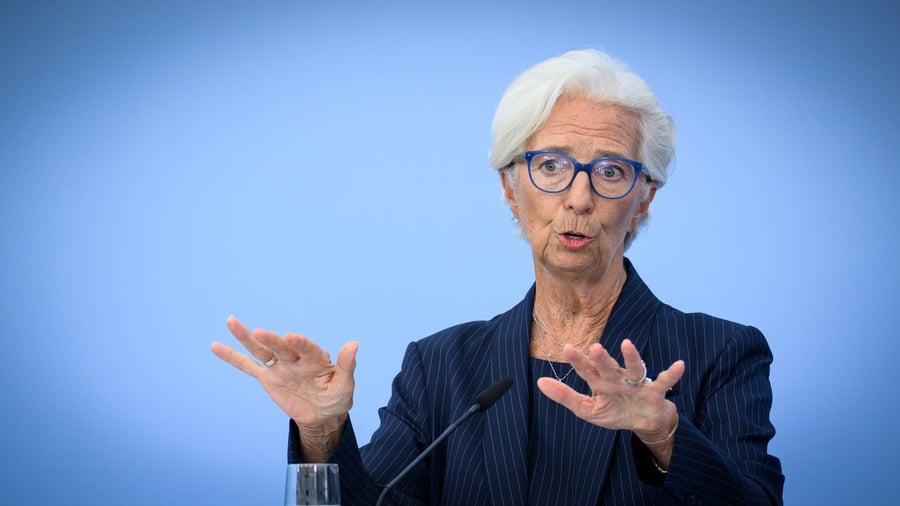
The European Central Bank (ECB) has decided to postpone another interest rate hike despite rising inflation. The key interest rate for banks and savers remains at 2.5%. This decision was made by the ECB's Governing Council during its meeting in Frankfurt, according to the bank's statement. Just before the interest rate announcement, the ECB had revealed that President Christine Lagarde would step down on February 7th, 2027.
Her eight-year term would usually end at the end of October next year. High energy costs due to the Iran war, which are driving up consumer prices, would have been a reason for the third rate increase this year. In September, inflation in the Eurozone jumped to 3.8%, the highest level in three years, far above the ECB's long-term target of 2.0%.
Higher benchmark interest rates make borrowing more expensive, which can slow demand and curb inflation. Savers benefit if banks pass on better terms. However, higher rates also burden those who want to invest. This can dampen the economy. Tensions in France also made it seem prudent for the ECB to keep all options open. Riots and looting have recently occurred in France, where presidential elections are to be held in April 2027, due to protests against high living costs.
The fiscal situation in France also worsened recently: For the second-largest Euro economy, which is almost twice as indebted as Germany, the cost of borrowing on financial markets rose sharply last time. As late as autumn 2025, speculation arose in the financial markets whether the ECB would support France with purchases of government bonds.
The bank can, in exceptional cases, buy unlimited amounts of bonds from individual Eurozone states through its TPI (Transmission Protection Instrument). However, there are high hurdles: The instrument is intended for the event that interest rates for government securities of a Eurostate become disproportionate due to financial speculation.
ECB President Lagarde recently downplayed rumors about intervention due to the French crisis. Further rate hikes are now postponed. The ECB is under pressure due to inflation. Economists expect another interest rate increase during the last meeting of the ECB's Governing Council this year in mid-December. They will also receive new forecasts on inflation and the economy, providing the bank with more clarity on whether and how strongly higher energy prices will affect other prices, such as food.
Possible secondary effects are also considered a risk: If wages rise too strongly in response to high inflation, it could push prices even higher. In Germany, inflation has risen as much as in other Eurozone countries. Like in other Eurozone countries, consumer prices in Germany rose by 3.3% in September compared to a year earlier - the highest increase in nearly three years.
The ECB aims for an inflation rate of 2.0% for the Eurozone in the medium term, which would fulfill the bank's main objective: to ensure a stable euro and preserve people's purchasing power. According to the ECB's assessment, however, people in the Eurozone must prepare for increased prices at least until 2027.
Written by urgent.news from Handelsblatt's reporting — not their text. Machine-written — may contain errors; check the original before relying on it.