Geld: Der Millionenerbe, der die Millionen nicht will
Kai Viehof hat den Großteil seines Erbes ausgeschlagen, auch vom Rest will der Enkel des Allkauf-Gründers das meiste weggeben. Über einen Mann, dessen Beruf es ist, sinnvoll Geld loszuwerden.
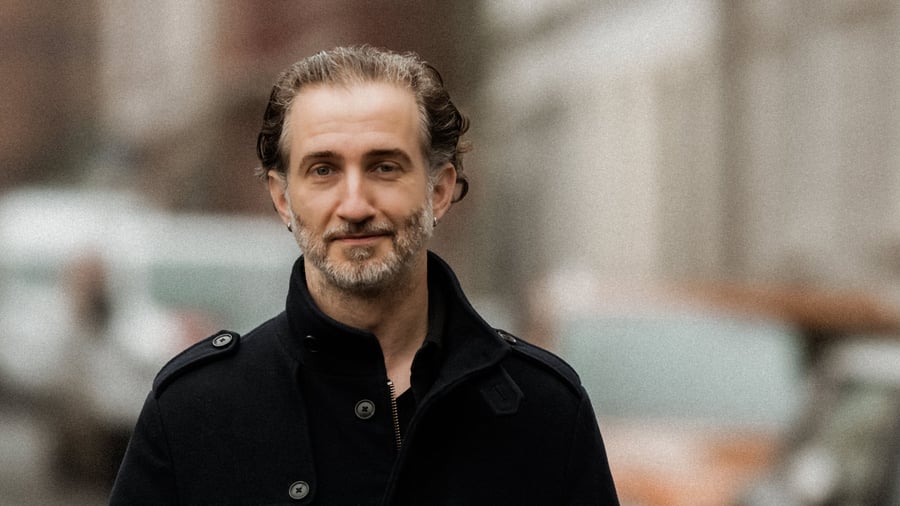
Kai Viehof stands out as a unique millionaire, defying typical stereotypes. Sporting slender shoulders beneath a black T-shirt and jacket, he wears a faint mustache and rings in both ears. Depicted on the ARD talk show "Hart aber fair" in spring concerning heirs, Viehof remained more subdued than his counterparts, a similarly affluent electrical engineer from Neuss with a commanding presence and a pocket square.
Viehof's grandfather built the "Allkauf" retail chain in the 1960s, which he sold to Metro AG for around one billion marks in 1998. The fortune received was, however, declined by Viehof when his turn came. A 44-year-old from Mönchengladbach, Viehof represents a new breed of millionaires who aim to distribute wealth rather than accumulate it.
Among them are Sebastian Klein, author of "Toxisch reich," who became rich as a co-founder of the Blinkist app, and Marlene Engelhorn, a descendant of the BASF chemical empire's founding family. Over half of private fortunes in Germany stem not from earned income but from inheritance or gifts, according to the German Institute for Economic Research.
Only the USA and China surpass Germany in the number of super-rich individuals, according to the 2025 Global Wealth Report by the Boston Consulting Group, accounting for 27% of financial wealth in the country. Despite his reserved demeanor, Viehof decided to speak publicly about the topic of wealth, rejecting the notion that discussions on equitable distribution are merely "jealousy debates."
He insists it is a "central debate" that those who have gained within the system must also address. This includes Viehof himself, leading him to an unusual step: donating or investing seven-eighths of the two-digit million sum he had already received. Born in 1978, Viehof first considered donating his inheritance when his family sold the company at 17.
At the time, he didn't fully comprehend the value of the shares and other assets his father and grandfather bestowed upon him, valued at a mid-double-digit million today. He has since reconsidered, acknowledging that while he has the freedom to decide what to do with his wealth, there are legal and moral implications to consider.
Concerned about the responsibility of passing wealth to future generations, Viehof saw his family's worry that descendants might end up starving. This realization prompted him to prevent such a scenario from occurring within his own family. Refusing to maintain a business relationship with his family or future descendants, Viehof opted to place the two-digit million bequest into a charitable foundation, with his father acting as the representative.
The remaining one-eighth of the fortune, he retains for himself and his two children, providing a safety buffer. Viehof intends to avoid dwelling on why he gave away so much, instead focusing on the seven-eighths he has chosen to donate and invest in companies that prioritize societal impact over financial returns.
Written by urgent.news from Handelsblatt's reporting — not their text. Machine-written — may contain errors; check the original before relying on it.