Garbage collection: Locked landfills leave Joburg waste with nowhere to go
As refuse piles up on streets residents and local businesses face a growing public health crisis.
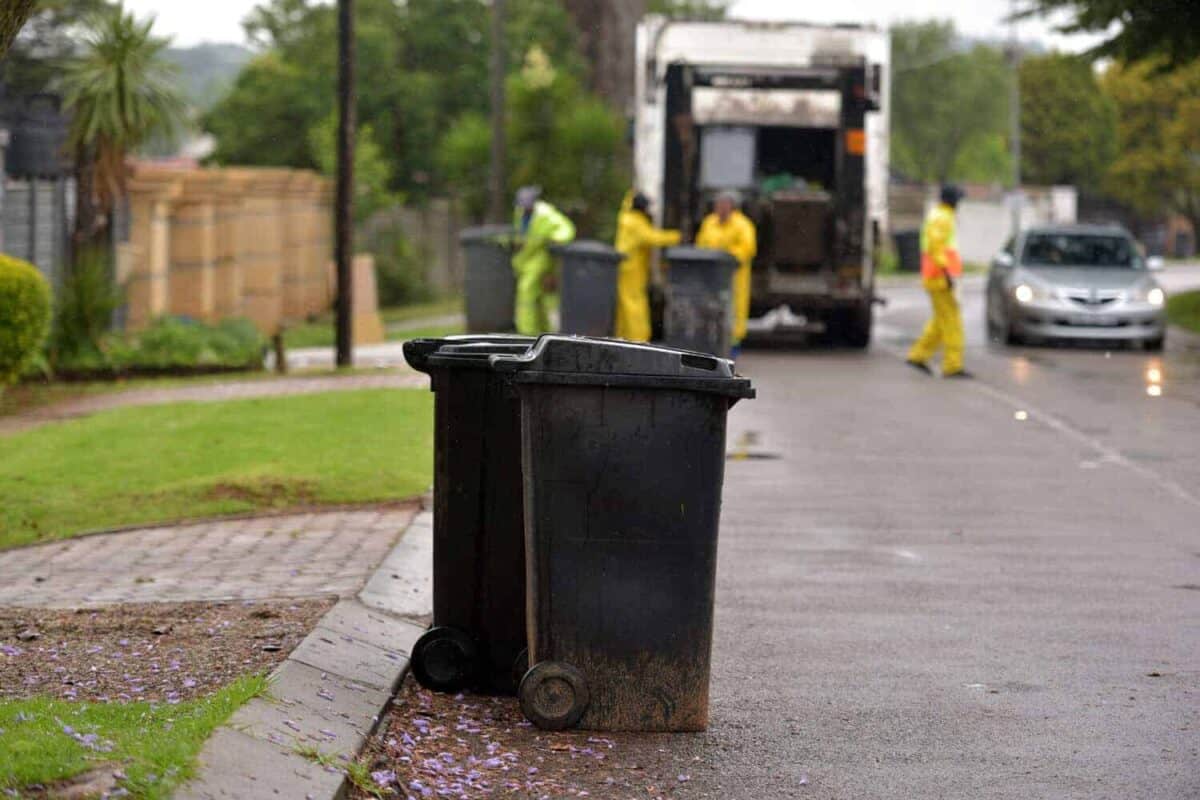
Johannesburg residents are grappling with a mounting public health crisis as ongoing strike action by waste collection workers has halted refuse collection services, leaving waste accumulating on city streets. The strike, a response to safety and security concerns, has led to temporary disruptions in refuse collections across many parts of the city.
Pikitup, the responsible waste collection body, has not commented on the protest. In the absence of regular municipal collections, many residents are resorting to private waste removal services as a last resort. However, this solution unveils a secondary systemic failure: even when residents pay for private removal, often the waste has nowhere to go.
Major municipal disposal facilities, such as the critical Robinson Deep and Goudkoppies landfill sites, have closed their gates, leaving private waste operators without a place to dump the collected waste. This has resulted in a complete standstill in business for these operators, who now face the challenge of finding alternative disposal methods.
Some companies are forced to store undumped waste on their vehicles until municipal facilities reopen, while others bypass city infrastructure altogether by rerouting loads to private disposal sites on the Gauteng border.
This infrastructure failure forces Johannesburg ratepayers to pay twice – once through their monthly municipal rates bill for non-delivery of services and again to private contractors charging market premiums for waste removal. The cost of hiring private garbage collectors varies widely, with per-bin services ranging from R70 to R100 per wheelie bin, standard bakkie removals costing between R750 and R950, and bulk or commercial services ranging from R1 400 to R2 150.
For households with limited monthly budgets, these additional expenses represent a significant privatisation tax, solely aimed at maintaining public health and safety.
Written by urgent.news from The Citizen's reporting — not their text. Machine-written — may contain errors; check the original before relying on it.