Fujifilm plans 5x production boost of 100TB magnetic storage tapes driven by skyrocketing AI storage demand — $63 million injection is the largest investment in tape for 20 years
Fujifilm plans to increase the production of magnetic tape by as much as 5x as it works to meet a newfound demand for AI data center storage.
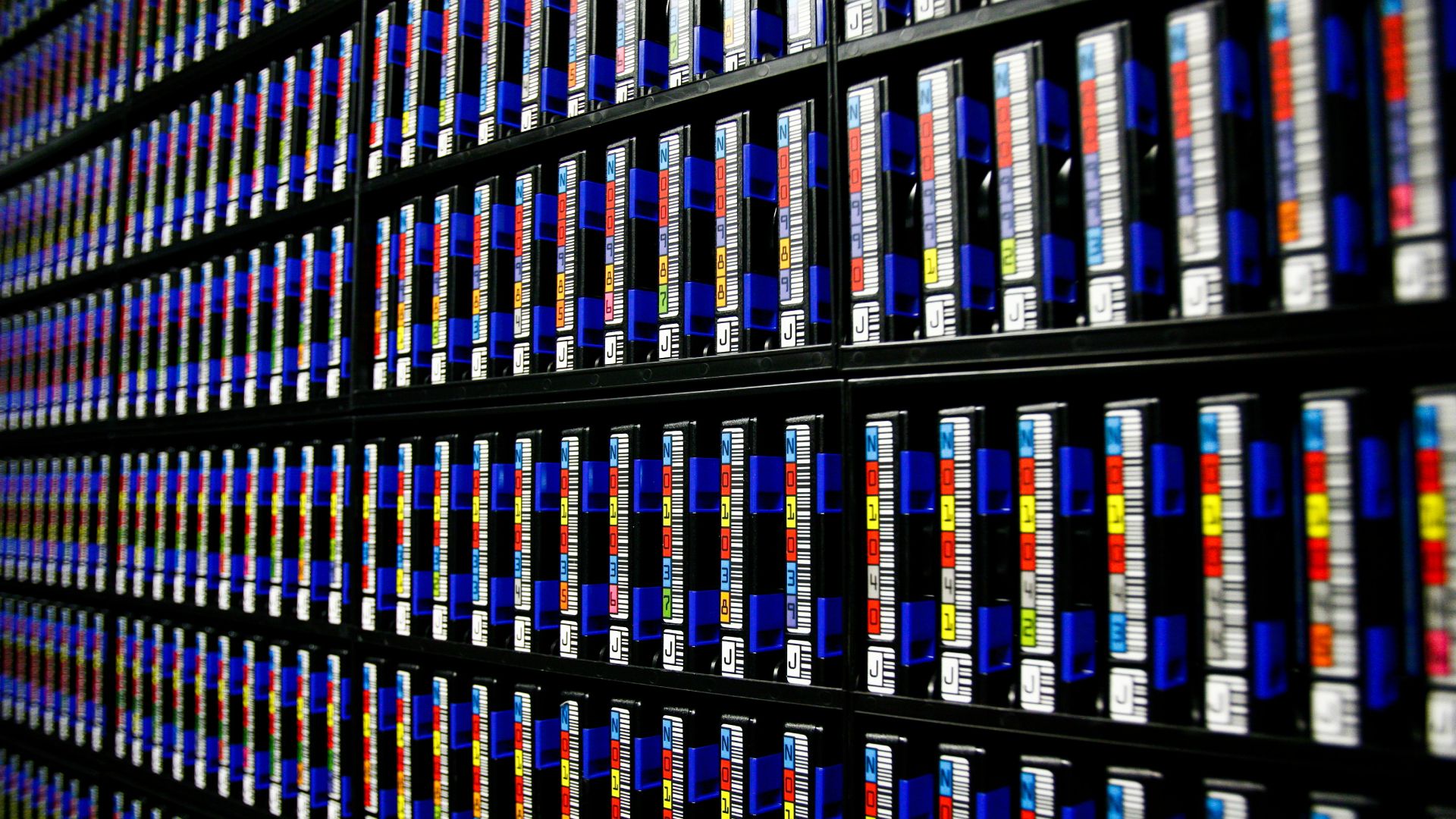
Fujifilm is set to dramatically boost its production of magnetic tape by up to five times as it strives to meet the soaring demand for data storage in AI-driven data centers worldwide. The Japanese corporation has earmarked a massive ¥10 billion ($63.3 million) investment over its fiscal year 2028 to expand its capacity at its Odawara plant, marking its largest tape-based storage investment in over two decades.
This expansion will allow the company to manufacture advanced tapes with capacities of up to 100 terabytes each, according to Nikkei Asia. Magnetic tape technology was initially developed by Fujifilm in 1954 for television broadcasting equipment.
Despite being outperformed by solid-state drives and conventional hard disks in terms of speed, magnetic tape is the preferred storage solution for data centers due to its exceptional durability and low cost for archiving vast amounts of data. Magnetic tape can be as much as a quarter of the price of hard disks and even less than faster solid-state drives.
While Fujifilm will focus on producing 100TB tapes, the Linear Tape-Open (LTO) standard permits even higher capacities, up to 365TB per cartridge. The current SSD capacity limit is around 256TB, making magnetic tape a more affordable alternative for "cold data" - information that is rarely accessed but still critical and must be stored securely.
Magnetic tape isn't just cheaper and more environmentally friendly; studies show it's also less polluting than hard disks and SSDs. Fujifilm is not alone in capitalizing on the AI data center boom. Toshiba recently announced plans to double its hard disk production capacity due to shortages, and Toshiba, Seagate, and Western Digital are working on increasing capacities further.
Kioxia and SanDisk are also entering the market with 332-layer 3D NAND flash, aiming to provide higher storage capacities for data center SSDs. The intense demand for AI data center storage has led to a global shortage, driving prices to unprecedented levels while manufacturers shift resources towards the more profitable enterprise market.
Written by urgent.news from Tom's Hardware's reporting — not their text. Machine-written — may contain errors; check the original before relying on it.
This story
This is one outlet's version. Read the fullest account.