Firefighters kiss the ground as rain falls on Indonesia’s haze-hit city Palangkaraya, but dry spell may return
PALANGKARAYA (Indonesia), Oct 29 — Residents and firefighters in an Indonesian city long shrouded in a toxic haze...
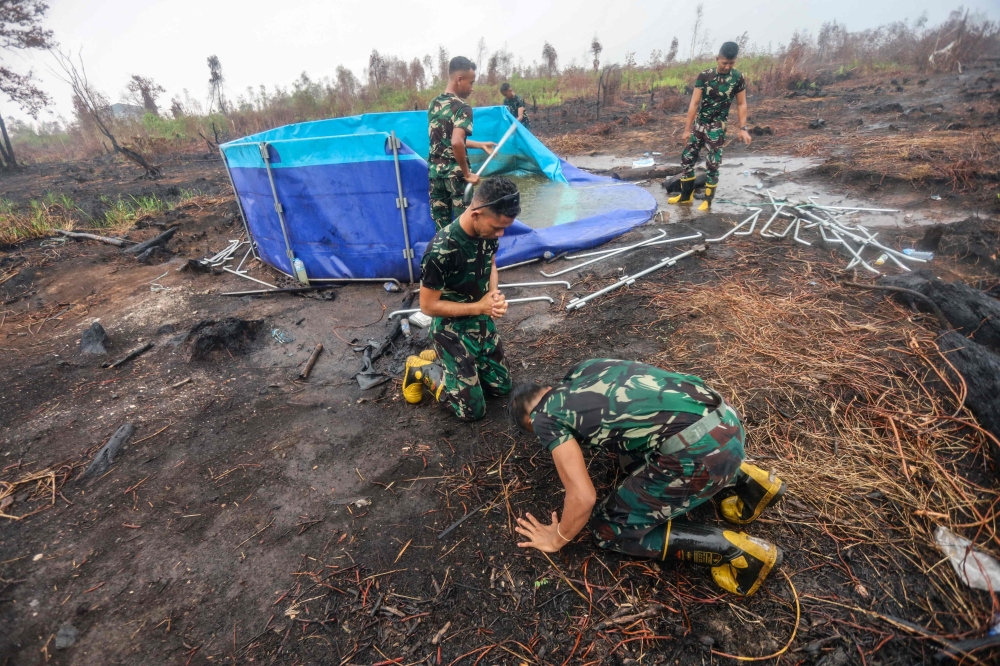
On October 29, residents and firefighters in Palangkaraya, Indonesia, rejoiced as rain brought respite from months of toxic haze caused by wildfires. Intermittent rains had been falling in the city, the capital of Central Kalimantan province on Indonesian Borneo, where devastating wildfires have been burning since August. Volunteer firefighters celebrated in puddles and kissed the ground, expressing their gratitude to God for the rain.
Over 11,000 people have been treated for respiratory infections due to the crisis, which has also affected neighboring countries with haze pollution. The city's air quality index reached 4,000, its worst-ever measurement and more than 13 times the environment ministry's hazardous pollution threshold. World Health Organization has linked air pollution exposure to increased risk of illness and premature death.
While the BMKG climatology agency stated that dry weather would continue for a while, with more wildfires possible, they also noted that PM2.5 concentrations in Palangkaraya were declining and that rain clouds in affected provinces would continue to encourage more rain. Efforts to stimulate more rain through cloud seeding operations were ongoing, but vigilance was necessary due to the possibility of another dry period before the peak of the rainy season.
At least 11 people have died fighting the wildfires, most recently a forest ranger killed while battling flames in South Sulawesi. Police are continuing to crack down on individuals and corporations responsible for the fires, with 245 suspects and 20 corporations already identified. Deforestation monitor Nusantara Atlas reported that the fires consumed more than 1.9 million hectares in the nine months to September, contributing to soaring pollution levels as far as Malaysia, Singapore, the Philippines, and East Timor.
Wildfires are largely blamed on slash-and-burn land-clearing practices, often carried out by timber, palm oil, or mining companies.
Written by urgent.news from Malay Mail's reporting — not their text. Machine-written — may contain errors; check the original before relying on it.