Fed Chair Kevin Warsh’s warning to AI investors: ‘Interest rates get in the cracks’
The AI spending boom is not immune to higher borrowing costs, Warsh says, as investors grow more selective about which projects to finance.
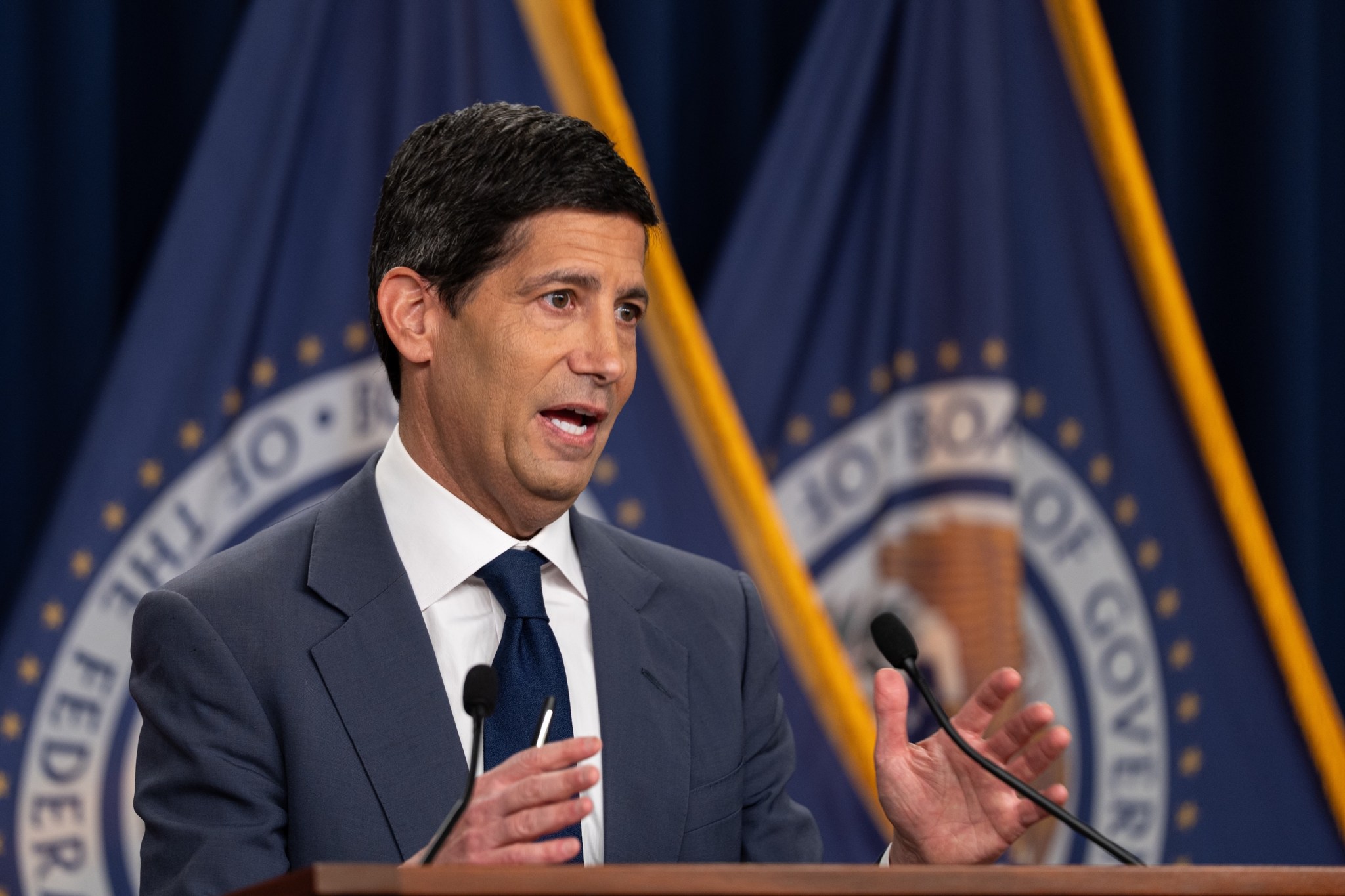
Good morning. On Wednesday, the Federal Reserve kept its benchmark interest rate steady at 3.75%–4%, noting the need for additional economic data to determine its subsequent actions as inflation stayed high and economic expansion and business investment remained robust. Investors are left wondering if higher rates could dampen the AI investment surge without undermining overall growth.
Fed Chair Kevin Warsh emphasized during a news conference that AI investment is susceptible to monetary policy. He challenged the notion that higher rates would have minimal impact on AI investment, stating, "Interest rates get in the cracks. Interest rates affect directly, or indirectly, almost everything." Warsh rejected the belief that expectations of exceptionally high returns render financing costs insignificant.
Higher rates may not halt companies from investing in AI, but they can sway which projects secure financing, the amount of capital they receive, and the returns investors anticipate. Wider credit spreads for certain assets indicate investors are becoming more discerning. In credit markets, this could signal a growing divide between borrowers with viable cash flow projections and those whose projects hinge on optimistic assumptions about future demand and profitability.
Warsh cautioned against attributing the economy's strength to technology alone. While "high-tech investment" has been driving growth, spending is also expanding in other areas, suggesting a broader capital spending trend. This resilience complicates the Fed's challenge of keeping rates elevated while monitoring inflation, as sustained investment and demand could make price pressures more difficult to contain.
For investors, the Fed's decision to maintain rates could bolster Treasury prices if expectations of future rate hikes ease. However, persistent inflation, strong growth, and substantial fiscal deficits might still hinder long-term yield declines. Lower Treasury yields could alleviate borrowing costs without a rate cut. Despite this, concerns remain about strong growth, elevated energy prices, and persistent fiscal deficits potentially posing upside risks to the economy.
Written by urgent.news from Fortune's reporting — not their text. Machine-written — may contain errors; check the original before relying on it.