Favela Leaders Confronting the Climate Crisis In Diverse, Creative Ways Is Top Takeaway From Latest ‘Sustainable Favela Festival’
Clique aqui para Português This article is part of a series created in partnership with the Behner Stiefel Center for Brazilian Studies at San Diego State University, to produce articles for the Digital Brazil Project on environmental justice in the favelas [...]
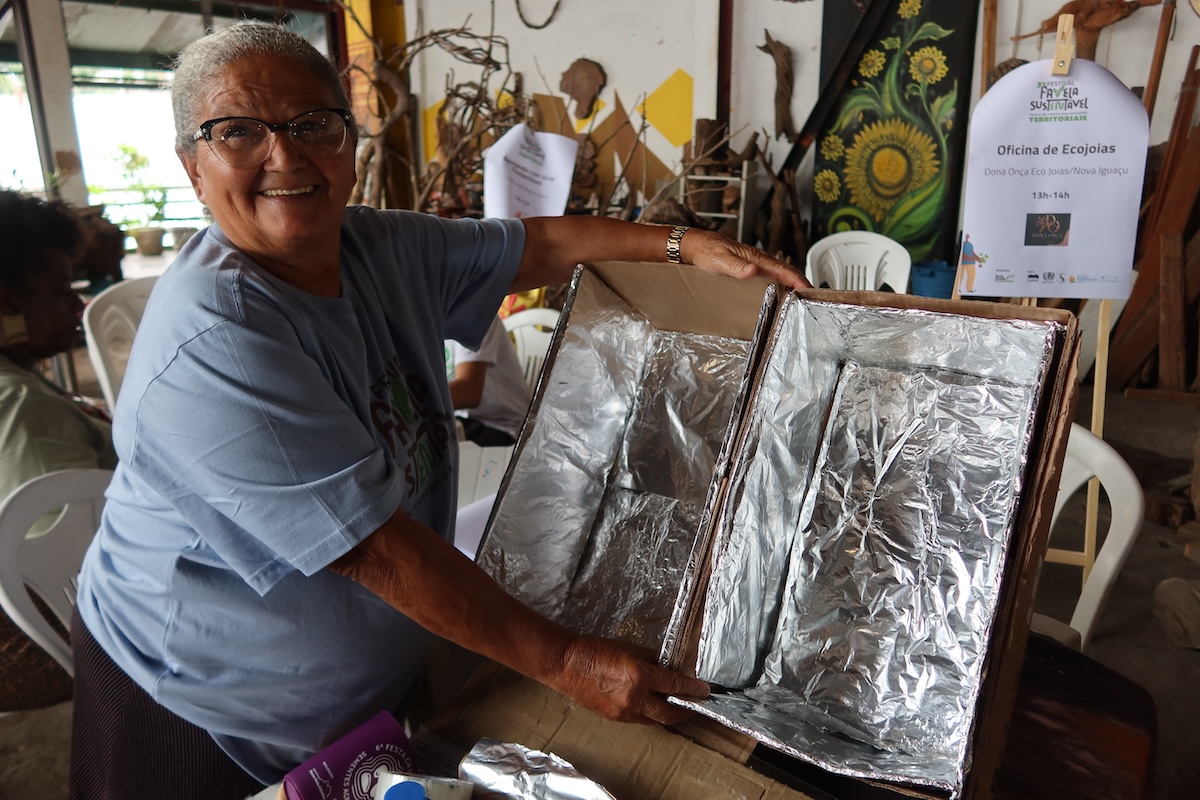
The 3rd Sustainable Favela Festival, held on October 17 in Rio de Janeiro, showcased how favela leaders are addressing the climate crisis in diverse and creative ways. With over 1,200 attendees, including community leaders, educators, and youth, the festival emphasized the need for tailored solutions to the unique challenges faced by favela communities.
Under the theme "Favela at the Center of Territorial Solutions," discussions focused on the disproportionate impacts of extreme weather events, such as floods and heatwaves, and the lack of sanitation, access to water, and green spaces, which reflect environmental racism. The festival featured discussion circles, film screenings, exhibitions, cultural performances, and workshops to reinforce the leading role of communities in combating climate change.
One of the festival highlights was a presentation by the Union of Those Affected, a movement from São Sebastião, who screened their documentary and presented a photo exhibition about the tragic flooding in Vila Sahy in February 2023 that left 64 people dead and over 1,000 homeless. The movement has been warning residents about climate risks and the need for preventive action, criticizing climate change denial among government leaders and urging voters to consider this stance when casting their ballots.
In other areas of Rio, initiatives like EcoRede in City of God are conducting socio-environmental mapping to understand the direct impacts of environmental inequalities on residents' health and daily lives. With a team of 70 youth, the project collects data on housing, sanitation, water access, and power outages to inform targeted interventions.
Teacher Iara Oliveira emphasized the importance of community mapping in preserving ancestral knowledge and fostering relationships between residents, recognizing that communities are not just physical spaces but also the people who inhabit them.
Written by urgent.news from RioOnWatch's reporting — not their text. Machine-written — may contain errors; check the original before relying on it.