España necesita Presupuestos, no más impuestos
Hay que reducir estructuras administrativas, subvenciones ineficientes y participaciones públicas para contener el gasto
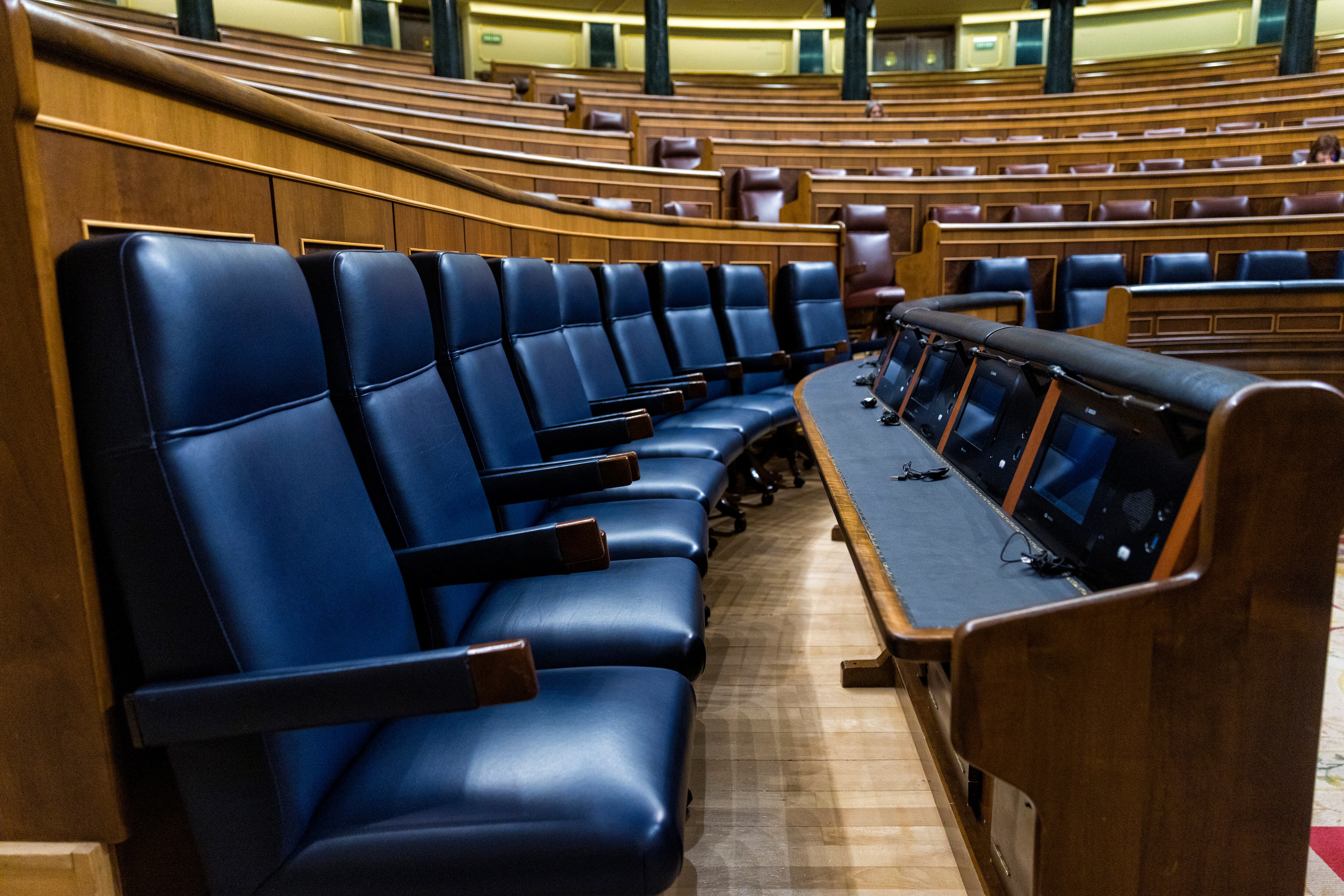
España has been without an approved General State Budget for three years, continuing to operate with the 2023 budget as if nothing had changed. Prices, pensions, public salaries and debt interest have all risen. Needs have grown and new defense commitments have emerged, but the government has preferred to manage public money without submitting new accounts to debate and approval by Parliament.
This situation is serious as budgets are the main tool for economic policy and allow Parliament to approve and control public spending. Their absence for three years reflects an institutional anomaly that the next government should rectify immediately. However, approving budgets alone will not be enough. Spain needs to fundamentally change its public spending policy, which requires decisions governments often avoid due to electoral cost.
Despite growing faster than most European partners, having higher employment and tax revenues, we still have a public deficit and a very high debt. In 2025, the deficit was 2.4% of GDP, and in July 2026, the debt reached 1.74 trillion euros, continuously increasing despite economic growth and record Hacienda revenues. The government claims the debt decreases as a percentage of GDP, but this is due to economic growth and inflation reducing the proportion, even though the debt keeps growing in euros.
The concerning thing is that we continue to borrow during an expansionary economic phase. What will happen in the next recession? For years, Spain has enjoyed exceptionally favorable financial conditions, with the European Central Bank buying debt and keeping interest rates low. That era is over. Now, financing debt costs more, and interest rates absorb resources that could be used to improve public services or reduce taxes.
The next government should prioritize reducing the public deficit, mainly by decreasing unproductive public spending. The real problem lies here. In Spain, it is much easier to increase taxes than to cut wasteful government spending. There are ministries, councils, delegations, municipalities, public companies, agencies, observatories and bodies of all kinds.
Many fulfill necessary functions, while others duplicate competences, maintain unjustified structures, or perform activities that could be done with fewer staff and lower costs. How many public companies could be privatized? How many state shares in private companies, like Telefónica, Aena, Indra or CaixaBank, could be sold? How many public bodies could disappear without citizens losing any services?
How many subsidies are granted year after year without verifying their results? No government seems willing to answer these questions seriously. It is politically more comfortable to maintain the whole structure and send the bill to taxpayers. Cutting fiscal pressure Additionally, tax revenue growth is not only due to economic growth.
Inflation has also filled Hacienda's coffers. By raising nominal salaries without adequately deflating IRPF, many taxpayers end up paying more taxes, even if their purchasing power has improved. This hidden fiscal increase penalizes the middle class. What Spain needs is a taxation system that favors savings, investment and employment.
Raising taxes and social contributions only makes business activity more expensive, hinders contracts, and reduces competitiveness compared to other countries. Pension costs are also important. We have to grow older, fewer children are born, and the baby boom generations are reaching retirement. Moreover, new pensions are often higher than those who leave the system, and benefits are updated with inflation.
Pensioners have worked and contributed according to rules that must be respected. However, we cannot condemn the young to pay ever-increasing contributions while finding it extremely difficult to access housing and start a family. The system must be gradually reformed, promoting voluntary extension of working life and stimulating voluntary savings.
Swedish experience shows it is possible to combine public pensions with individual capitalization mechanisms and greater transparency on future benefits. Meeting fiscal rules We cannot forget European commitments. New fiscal rules require controlling spending growth and reducing imbalances. Meeting them is necessary for Spain, which must finance itself in international markets and maintain the confidence of its creditors.
However, the budgetary adjustment must be accompanied by an economic policy that increases productivity. Spain needs to invest more in education, professional training, research, new technologies and infrastructures. Above all, it must facilitate that companies invest, innovate, export and create better-paid jobs. This is why wasteful spending in unnecessary administrative structures is a euro that would otherwise be invested in activities that could improve our competitiveness.
The next government should present budgets for 2027 accompanied by a program to reduce the deficit and debt throughout the legislature. With annual objectives.
Written by urgent.news from El Pais Economia's reporting — not their text. Machine-written — may contain errors; check the original before relying on it.