Election Day isn't here, but the ballot battles are
The 2026 midterms already face a messy pileup of lawsuits and ballot battles, raising fears about election confidence before voters even finish casting ballots . Why it matters: Election challenges aren't unusual, but as the Trump administration continues to make false claims about widespread voter fraud, officials are juggling fights over voter lists, mail-ballot rules and election certification…
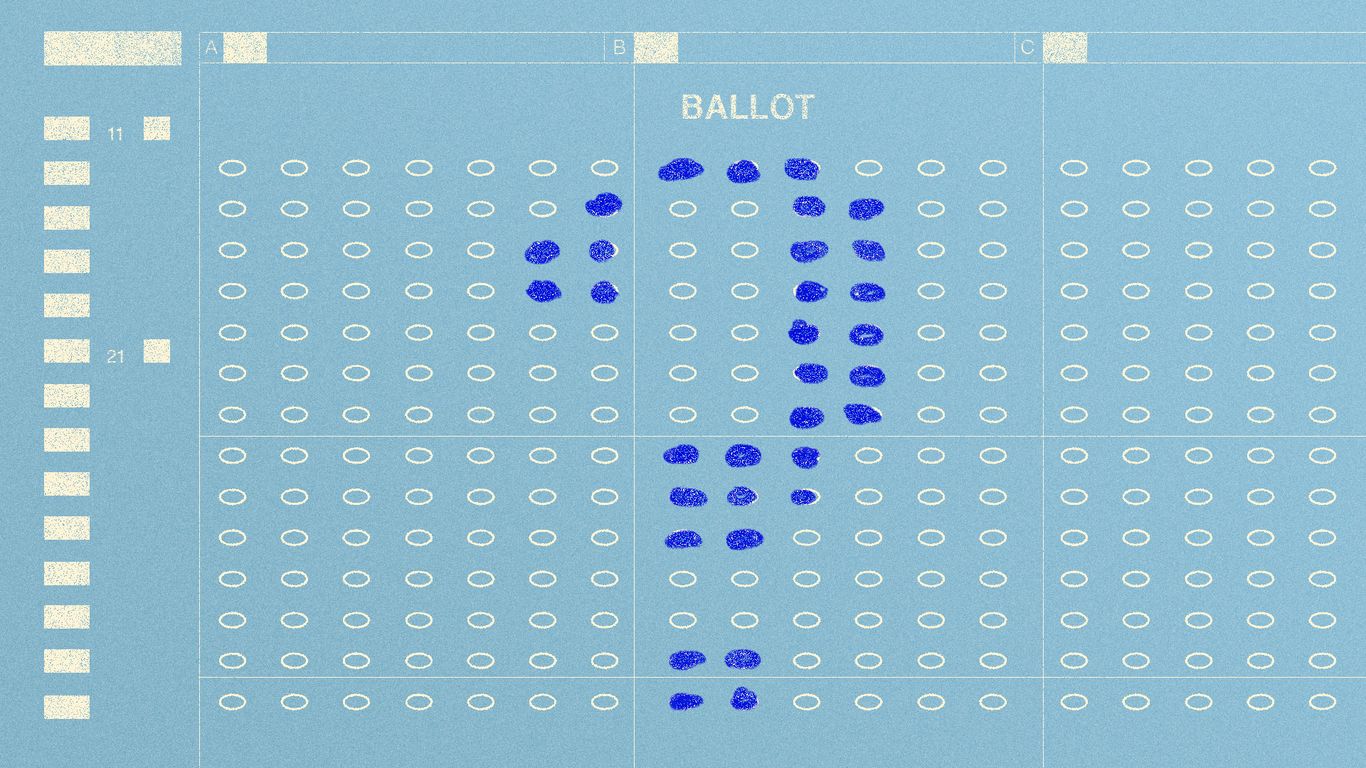
The 2026 midterms have already faced a mountain of lawsuits and ballot battles, heightening concerns about election confidence even before the actual voting concludes. Election disputes are not unprecedented, yet the current administration's persistent claims of widespread voter fraud are complicating matters as they grapple with issues surrounding voter lists, mail-ballot regulations, and challenges to election certification.
Jonathan Diaz, from the Campaign Legal Center, noted that the pre-election challenges witnessed are highly atypical, primarily due to their origin from the federal government. He labeled these lawsuits as frivolous, asserting they might instill doubt in the public regarding the legitimacy of the electoral process. Diaz emphasized that such actions should not be permitted and were orchestrated in collaboration with Senate Majority Leader Chuck Schumer, who he called out for his involvement.
Conversely, the White House responded to Axios by referencing remarks made by President Trump to the media and declined to provide a comment to the DOJ.
California's situation is particularly noteworthy. The Trump administration requested state election officials to set aside ballots from approximately 20,000 registered voters it suspects are noncitizens. However, a federal judge thwarted this move on Wednesday night, highlighting the administration's lack of sufficient evidence to justify potentially disenfranchising eligible voters.
Diaz dismissed this case as a political press release rather than a genuine lawsuit, pointing out that the DOJ had made similar claims in Nevada, where election officials determined that 185 voters flagged by the DOJ as noncitizens were in fact U.S. citizens. The White House redirected inquiries regarding this ruling to Trump's statements that day, stating that he called California "very corrupt" and its elections "extremely corrupt," without offering any proof to substantiate his claims.
In Washington state, two U.S. attorneys' offices recently requested the state to set aside ballots from over 400 individuals they claim were illegally registered to vote. This request echoes similar demands previously sent to California. Washington Secretary of State Steve Hobbs vehemently opposed this request, stating that it was made too close to Election Day and that the timing was deeply disappointing.
Hobbs emphasized that the list provided by the federal government included U.S. citizens and was unreliable, requesting the prosecutors to provide individualized proof of ineligibility.
North Carolina has flagged nearly 4,000 mail-in ballots, representing around 6%, processed as of October 24, for issues that, if unresolved, could invalidate voters' choices. Time is running out for these voters to address the problems, and hundreds have yet to respond to notifications regarding their ballots. The rejections seem to be partly due to new guidelines issued by the GOP-controlled state Board of Elections, which mandates that the inner ballot envelope be sealed even if the outer envelope is already sealed.
In Alaska's Senate race, confusion has arisen due to two men named Dan Sullivan appearing on the ballot – Sen. Dan S. Sullivan and retired teacher Dan J. Sullivan. Allegations have surfaced that aides to Democratic candidate Mary Peltola aided in recruiting the other Dan Sullivan, potentially misleading voters and siphoning votes away from the incumbent senator.
Peltola's campaign denies any involvement in this alleged scheme. Governor Mike Dunleavy ordered an investigation into whether the alleged scheme violated Alaska law and whether criminal charges or civil action are warranted. The DOJ has separately sued to delay the certification of the Senate election should the incumbent lose, citing a possible change in the outcome if votes for the other Dan Sullivan were cast.
The ongoing efforts by the Trump administration to reshape U.S. elections are evident through these various battlegrounds.
Written by urgent.news from Axios's reporting — not their text. Machine-written — may contain errors; check the original before relying on it.