El Molo: Inside the fight to save Kenya’s lost language and the legacy of the crocodile eaters
NAIROBI, Kenya, Oct 29 – The journey to Komote Island, on Lake Turkana, brought me face to face with a community whose story is as extraordinary as the landscape it…
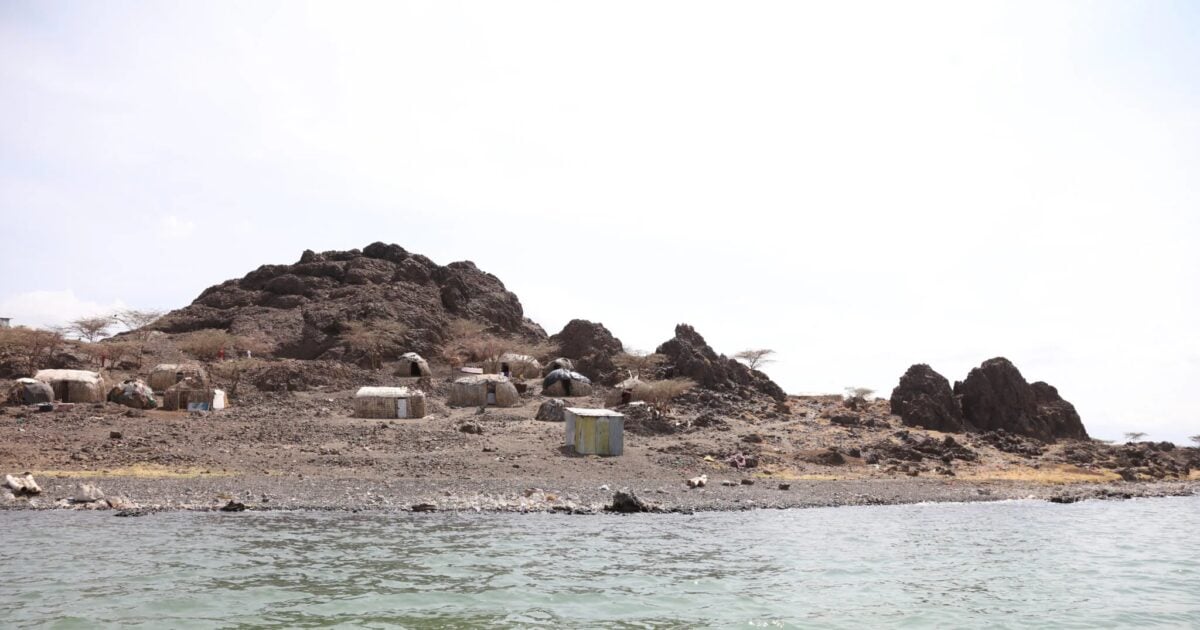
Nairobi, Kenya – On Lake Turkana, I met a community whose story is as remarkable as the landscape they inhabit. The El Molo, one of the smallest ethnic groups in Kenya, have long relied on Lake Turkana for their sustenance, livelihoods and customs. Renowned as the "crocodile eaters," the El Molo have built their identity around the lake for generations.
However, their cultural heritage now faces challenges from assimilation, population decline, and changing lifestyles. The lake that provides food and livelihoods also holds spiritual significance for the El Molo, but its influence on their daily lives is evolving.
Preserving the El Molo language and customs is key to safeguarding their heritage. Efforts to document the language have been ongoing for some time, with researchers capturing its intricacies to preserve it for future generations. However, the loss of a language also means the potential loss of oral histories, traditional knowledge, and unique ways of understanding the environment.
At Komote Island, the El Molo live by traditions that intertwine with their beliefs and practices. Rituals associated with prayer, healing, rainfall, and fishing or hunting are integral to their relationship with nature. These rituals serve as a reminder of the El Molo's deep connection to Lake Turkana, beyond its economic value. However, as younger generations adopt new social influences, there is a growing concern about whether these traditional practices can be passed on without limiting access to modern opportunities.
Healthcare access on the island remains a significant challenge for the El Molo. The distance to medical facilities and the difficulty of transporting patients pose obstacles to receiving professional healthcare. While a dispensary is available, getting adequate medical assistance can still be difficult due to these logistical issues. This problem highlights the need for a balanced approach to tourism development, ensuring that economic benefits are accompanied by improvements in essential services.
Written by urgent.news from Capital Business's reporting — not their text. Machine-written — may contain errors; check the original before relying on it.