Economist delivers 'worst-case scenario' on interest rates as inflation fails to cool
The Reserve Bank has so far been unable to pull inflation down to its target range of between 2 and 3 per cent. The only option left, it seems, is to take a sledgehammer to demand.
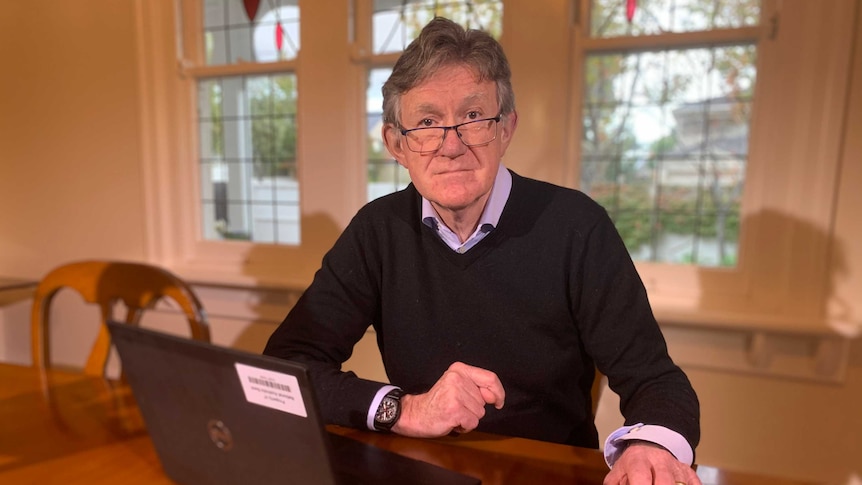
In a recent analysis, an economist warned of a dire scenario for Australia's inflation rates, despite recent Reserve Bank interest rate increases and some productivity gains. Despite these measures, inflation continues to rise, with millions of households finding it difficult to make ends meet. The core issue appears to be that there is too much money chasing too few goods and services, leading to higher demand.
The only solution, according to the economist, is to reduce demand to the point where the economy breaks. The Reserve Bank's latest statement on inflation highlighted the rising global energy prices, driven by AI demand and the conflict in the Middle East. Additionally, domestic capacity pressures are contributing to the inflation problem.
The only way to address this issue, the economist suggests, is to boost the nation's ability to meet demand through productivity improvements. However, productivity gains are currently lacking. The Federal Treasurer acknowledged the government's responsible budget management but emphasized the need for further action. Private investment did not contribute to GDP in the June quarter, making households the primary focus for addressing excess demand.
The Reserve Bank's deputy governor noted that businesses are increasingly passing increased production costs onto consumers, and they are not optimistic about a reduction in elevated costs. This situation could lead to a vicious cycle of unanchored inflation expectations. To break this cycle, the economist recommends reducing consumer spending by increasing interest rates, which would take money out of their pockets.
If consumers continue to spend less, businesses may lower prices to attract customers, ultimately bringing inflation under control. However, the Reserve Bank's cautious approach has not been sufficient to address the issue. Former NAB chief economist Alan Oster predicts that the unemployment rate could reach beyond 5%, highlighting the urgency of the situation.
While some economists believe that the RBA will not need to raise interest rates beyond November, there is a risk of recession if rates are not increased further.
Written by urgent.news from ABC News AU's reporting — not their text. Machine-written — may contain errors; check the original before relying on it.