Dirty air and hotter weather could mean higher blood sugar for you, even without diabetes
A large European study that included 5,464 volunteers from Cataluña has found that even people with no diabetes showed higher […]
A recent European study involving 5,464 volunteers from Cataluña has discovered that people without diabetes can have higher blood sugar levels when exposed to both dirty air and hotter, more variable temperatures. Although researchers stress that this finding does not prove a cause-and-effect relationship, it highlights a potential connection.
The study pooled data from 21,259 individuals across nine European cohorts, all without diabetes. 5,464 participants were from the GCAT|Genomes for Life Catalan project, led by the Swiss Tropical and Public Health Institute and the University of Basel, and published in Environment International.
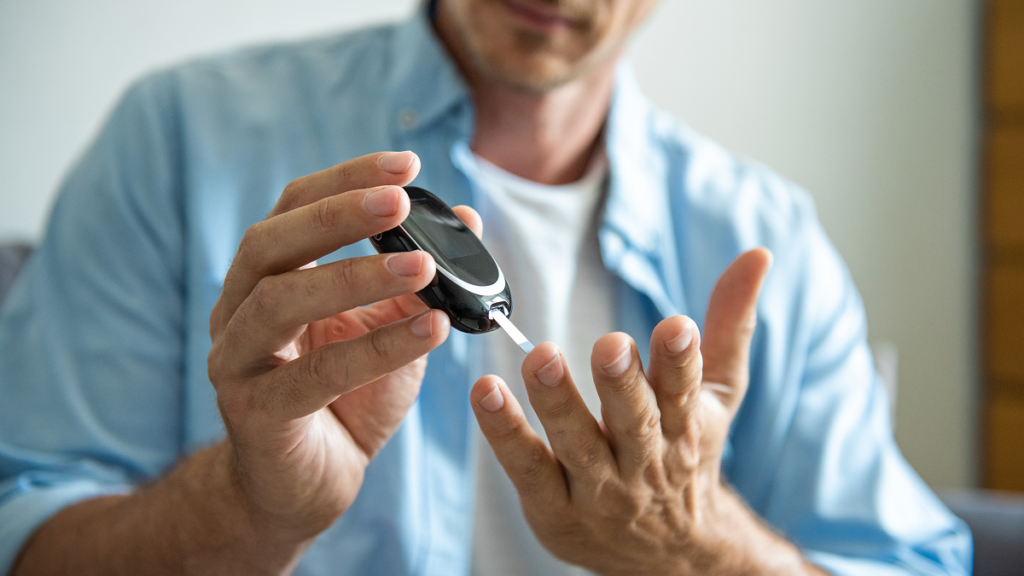
The researchers measured HbA1c, a blood test that indicates average blood sugar levels over the previous two to three months – a test often used to diagnose diabetes. Higher exposure to air pollution, particularly PM10 (tiny airborne particles from sources like traffic, industry, and dust), was linked to higher HbA1c levels. Rising temperatures and greater fluctuations in temperature were also associated with increased HbA1c levels.
While these findings might seem concerning, the reality is more nuanced. Dirty air and hot weather did not appear to act independently; instead, they influenced each other. Living near parks and green spaces did not show a consistent impact on blood sugar levels.
Interestingly, cleaner air appeared to have a more pronounced positive effect when temperatures were higher, according to the researchers. In other words, cleaner air could potentially lower blood sugar, while hotter temperatures and greater temperature fluctuations may be linked to higher levels. GCAT researcher and co-author Natàlia Blay emphasized that environmental factors such as air pollution and temperature should not be considered in isolation.
Today's changing climate makes temperature particularly relevant. Scientists speculate that inflammation in the body and insulin resistance could explain the link, but the study did not directly assess the functioning of the body's insulin-producing cells, leaving this a theory for future research. The study provides an association but does not conclusively prove that pollution or temperature changes cause diabetes in individuals without the condition.
Further research is needed to understand the underlying mechanisms and the true magnitude of this link. In the meantime, those concerned about their blood sugar levels may consider discussing an HbA1c test with their doctor.
Written by urgent.news from Euro Weekly News's reporting — not their text. Machine-written — may contain errors; check the original before relying on it.