Democrats have big healthcare plans. The industry is preparing for a fight.
Americans want changes to their healthcare, and the candidates in this year’s midterms are making bold promises about how they are going to improve it: Medicare-for-all, or a public health insurance option, or free primary care for everyone. If Democrats win big this year, they could build up momentum to control Congress and the White […]
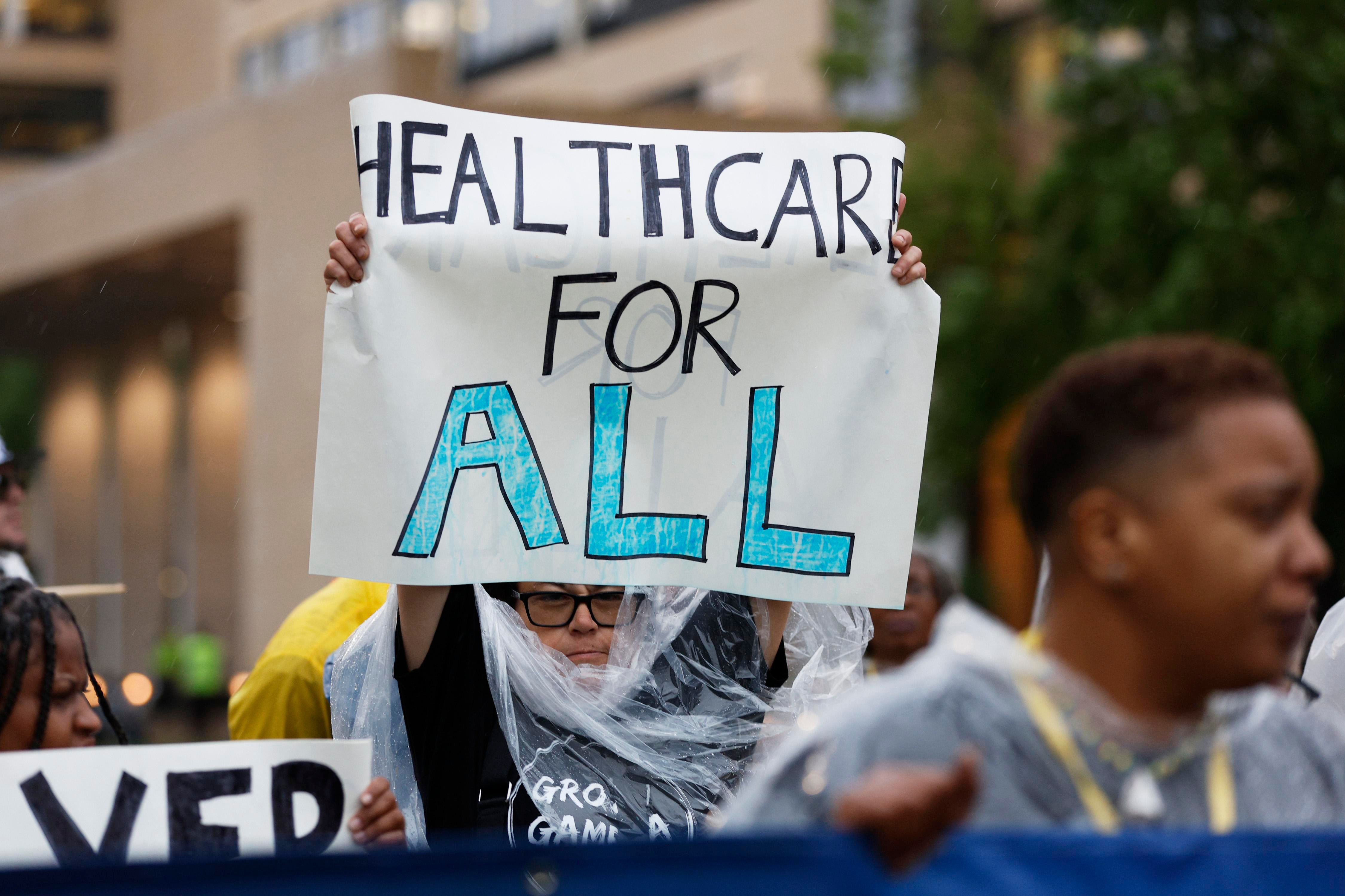
Across the United States, individuals are demanding changes to their healthcare system. Candidates for the midterms are making bold promises to improve healthcare, including proposals like Medicare-for-all and free primary care for all. If Democrats secure significant victories, they could gain control of Congress and the White House in 2029, positioning themselves to tackle the complex issue of reforming the US healthcare system.
However, experts warn that this will not be an easy task. The history of healthcare reform in the US, such as the failed attempt to repeal the Affordable Care Act or the shortcomings of the Clinton-era healthcare initiative, suggests that change will not come easily. While Americans want change, they also fear it, displaying growing distrust in the medical establishment.
Despite this, the healthcare industry is actively preparing for a potential fight. As Democrats unveil policy proposals, the industry has been lobbying to shape their direction. In some campaigns, the industry supports Republican candidates, but it also seeks to influence Democratic leaders to hold back more progressive members advocating for far-reaching changes.
The upcoming two years are crucial in setting the stage for healthcare reform. Health companies, with their substantial financial resources, are engaging in a PR battle and consensus-building with progressive lawmakers, activists, and patient advocates. The industry's primary concern is maintaining a balanced approach. They prefer Democrats to have some constraints to avoid imposing excessive government regulations on medical companies.
However, complete GOP control could pose risks, such as the $1 trillion in Medicaid cuts from the One Big Beautiful Bill Act, which has already resulted in layoffs and closures of clinics and hospitals. Experts predict that in the short term, healthcare companies might welcome a Democratic-controlled Congress, providing stability, preventing Medicaid and Affordable Care Act cuts, and potentially reversing or delaying existing cuts.
The long-term political calculus, however, is more complex, as many Democrats advocate for a larger government role in healthcare. The industry's strategy when anticipating a wave election favors striking a balance. During the 2016 election, when Democrats seemed likely to win, the pharmaceutical industry allocated six times more money to Republican candidates than to Democratic opponents in competitive races.
This approach is now being employed in the 2026 election, with healthcare trade groups backing Republican candidates in pivotal races. For example, in the Ohio Senate race, the American Hospital Association PAC and PhRMA have given money to Republican incumbent Jon Husted but not to his Democratic challenger Sherrod Brown. Similar patterns can be observed in Maine and Iowa, where major healthcare trade groups have donated to Republican candidates while their Democratic opponents have received no support.
If Democrats manage to take control of the House but not the Senate, it would hinder their healthcare reform plans. However, winning a Senate majority could allow them to draft and debate major legislation. The next two years will be pivotal in determining the extent of healthcare reform in the United States. Health companies and progressive lawmakers will engage in a high-stakes tug-of-war to shape the future of American healthcare.
Written by urgent.news from Vox's reporting — not their text. Machine-written — may contain errors; check the original before relying on it.