Deadly train crash puts Sánchez on the ropes a month before elections
Wednesday's accident happened in the middle of the pre-election campaign, adding pressure to Sánchez's government. With a month to go, parties are locked in a blame battle.
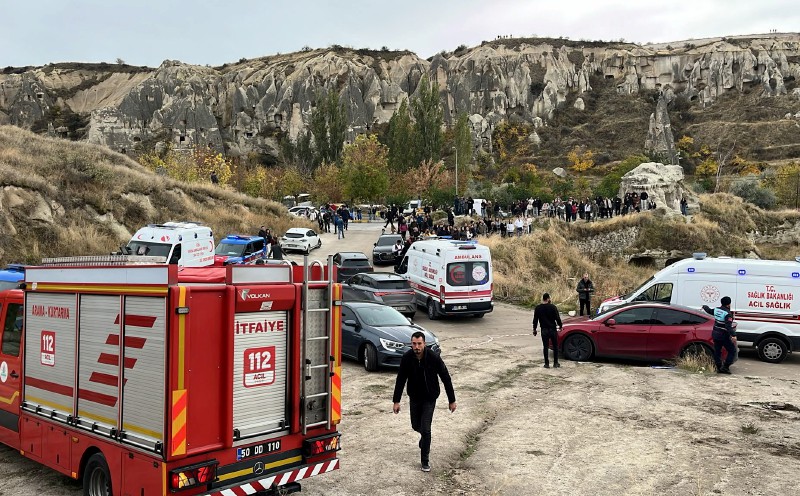
A deadly train crash near Toledo has intensified pressure on Spain's Prime Minister Pedro Sánchez as he prepares for early general elections next month. The government has endured a string of crises this year, including a fatal rail accident in Adamuz in January and a migration crisis in Ceuta in July. The most recent accident has added another political shock to the pre-election period, as government handling of public services is under renewed scrutiny.
While the main parties have suspended their pre-campaign events, political confrontation persists. The opposition Partido Popular has questioned the government's management of the rail network, while far-right Vox has filed a criminal complaint for homicide against Transport Minister Óscar Puente. Frente Amplio has demanded that Puente appear before parliament to explain the incident.
The investigation is yet to determine the cause of the collision, whether it resulted from human, technical, or coordination failures. However, the political debate is already moving ahead of the investigation. With each crisis, the parties are contesting the narrative and assigning blame.
The Urda tragedy has reignited questions about rail safety, just nine months after the Adamuz accident that killed 46 people. These two incidents have once again placed rail safety at the center of the national debate, highlighting concerns over infrastructure oversight, safety protocols, and accountability. As the election campaign unfolds, the public's primary questions are what transpired, why it happened, and what measures will be taken to prevent recurrence.
Written by urgent.news from Euronews's reporting — not their text. Machine-written — may contain errors; check the original before relying on it.