Data Center Health Worries Animate Midterm Campaigns
Opposition to the rapid emergence of data centers in states such as Ohio and Arizona has ginned up activism and unified voters. A range of public health issues have played into the resistance.
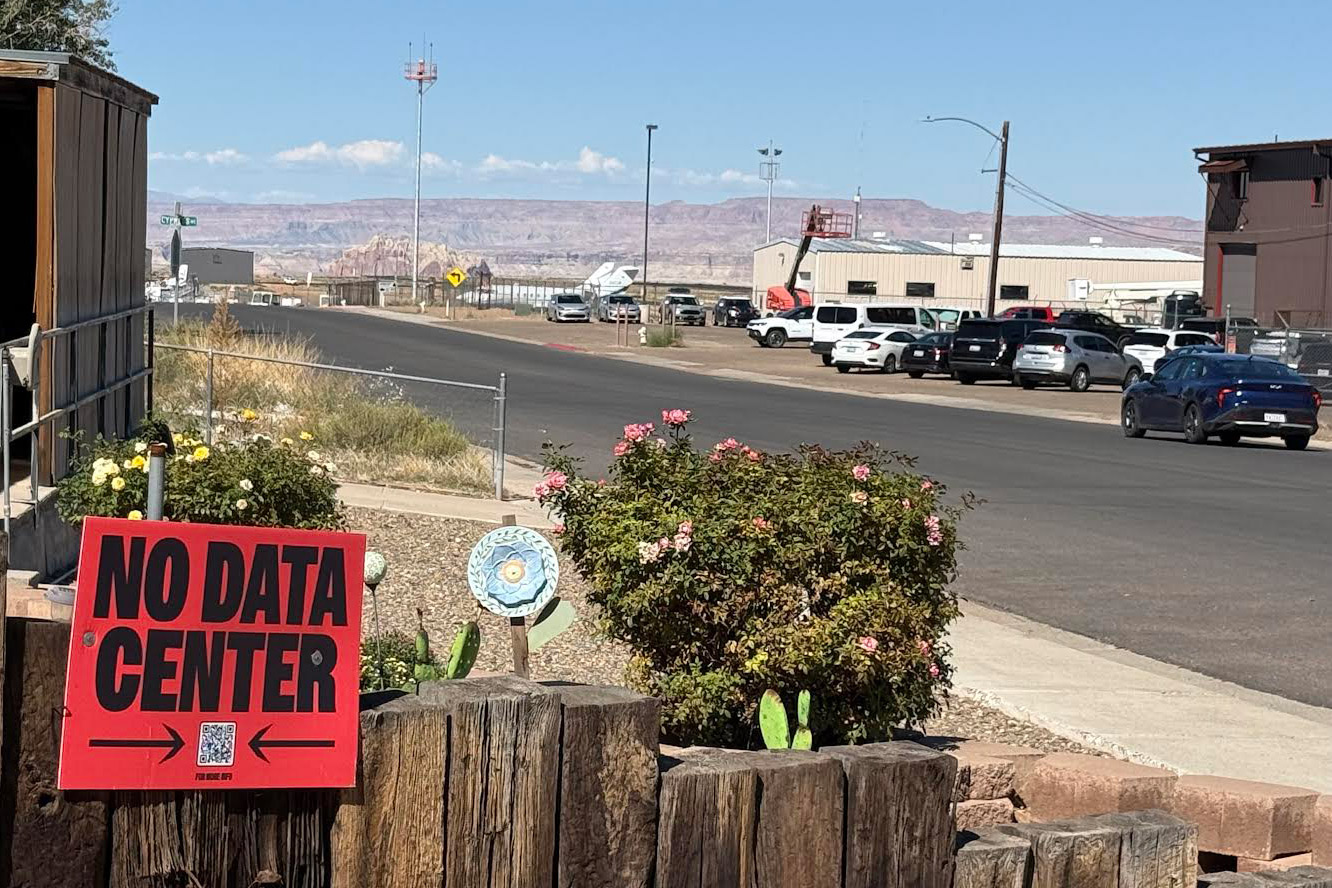
Doug Herrera, a 64-year-old resident of Page, Arizona, worries that a proposed $10 billion mega data center could endanger his health. The data center, which would occupy nearly 500 acres, was approved by the city council, but the developer still needs zoning and other approvals. Herrera believes the facility could bring light and sound pollution, raise temperatures, and contribute to air pollution leading to health issues such as heart conditions, respiratory problems, and cancer.
The controversy surrounding data centers is intensifying and becoming a key issue in the upcoming midterm elections. Candidates in Arizona's 1st Congressional District debate whether to support or oppose new data centers. The state's attorney general has called for a pause on new approvals. Research into potential health effects of data centers is mounting, providing ammunition for both Democrats and some Republicans who oppose the sprawling facilities.
According to a study by the University of California-Riverside, emissions from data centers could cause nearly 1,300 deaths annually by 2030 and result in an annual public health burden over $20 billion in 2028. Data centers also utilize cooling components containing "forever chemicals," synthetic substances that accumulate in human tissue, and generate excessive noise, exceeding 90 decibels.
The data center industry trade group states that while there is minimal use of backup power sources, existing state and federal regulations limit potential emissions or impacts. Despite opposition from some sources, 60% of Americans oppose new data centers, according to a recent poll. This political divide is particularly significant in states won by President Donald Trump in 2024, where most new data center capacity is proposed.
Written by urgent.news from KFF Health News's reporting — not their text. Machine-written — may contain errors; check the original before relying on it.