Crude Oil Prices Dip 1% To $114 As US-Iran Diplomacy Raises Hopes Of De-Escalation
Global crude oil prices declined on Thursday as investors assessed diplomatic efforts to prevent further escalation of the Middle East conflict. While Brent Crude slipped 1.1% to $114, WTI fell 1.4% to $101.30 per barrel. The decline followed weekly gains of 3.19% and 3.31%, respectively, as geopolitical tensions continued to influence energy markets. Investors monitored reports of diplomatic…
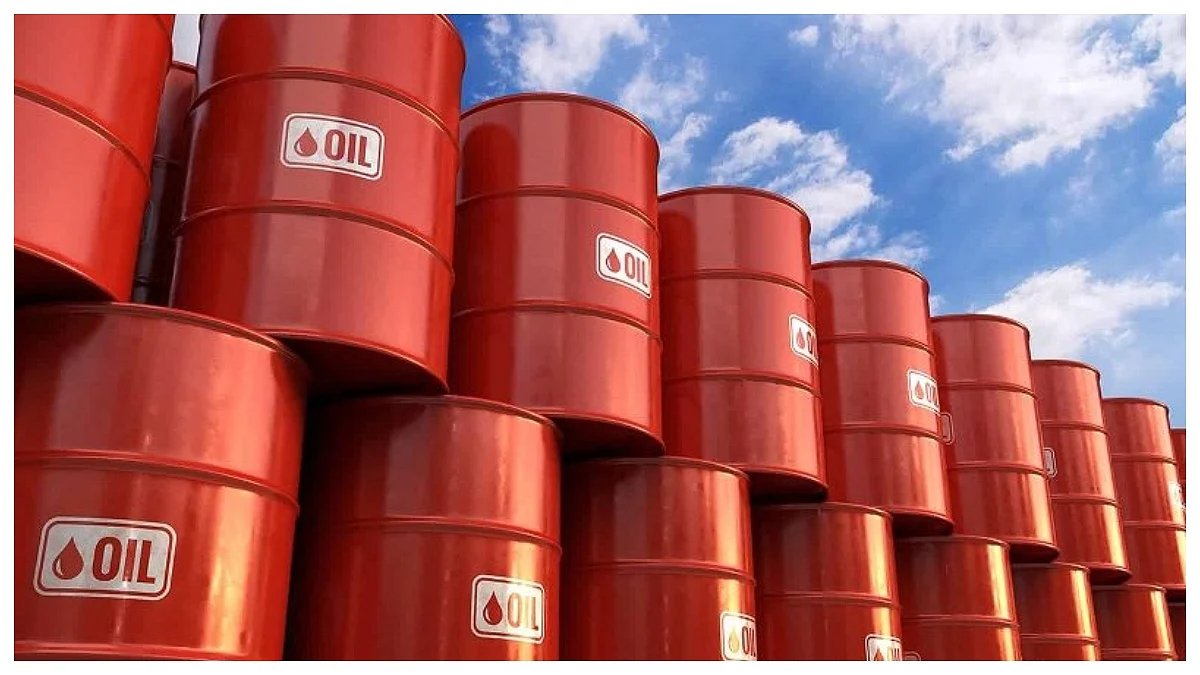
Global crude oil prices retreated on Thursday due to optimism surrounding US-Iranian diplomatic efforts aimed at de-escalating tensions in the Middle East. Brent Crude oil fell 1.1% to $114 per barrel, while WTI crude dropped 1.4% to $101.30 per barrel. This decline followed weekly gains of 3.19% and 3.31%, respectively, as geopolitical concerns continued to impact energy markets.
Investors closely watched reports of diplomatic contacts between US Vice President JD Vance and Iranian national security official Mohsen Rezaei. Despite US President Donald Trump confirming ongoing negotiations through mediators, uncertainty over their success remained. Iranian Foreign Minister Abbas Araghchi suggested Tehran was open to pursuing diplomatic resolutions.
However, concerns over potential supply disruptions from conflicts between Saudi Arabia and Iran-backed Houthi forces, as well as threats to shipping through the Strait of Hormuz, prevented a larger drop in oil prices. While US West Texas Intermediate crude had soared more than 14% during October, Brent crude had risen over 17% during the same period.
The World Bank projected a 23% increase in global commodity prices by 2026, with energy prices expected to surge 32% due to conflict-related disruptions. Brent crude was forecast to average $91 per barrel in 2026, up from $69 in 2025, before easing to $79 in 2027. The World Bank noted that depleted inventories heightened vulnerability to further supply shocks, with global oil production expected to decline 5.2% in 2026, the most significant drop in over four decades outside the 2020 recession.
Simultaneously, oil consumption was anticipated to decline 2.5% due to higher prices, shortages, and increased electrification, particularly in China.
Written by urgent.news from Free Press Journal's reporting — not their text. Machine-written — may contain errors; check the original before relying on it.