Copper, nickel at risk due to El Niño’s disruptions
A new BMI report shows that weather disruptions caused by El Niño can impact output and transportation of the critical minerals.
El Niño, a natural climate pattern characterized by elevated sea surface temperatures in the central and eastern tropical Pacific Ocean, could disrupt copper and nickel production through 2027, according to BMI, a division of Fitch Solutions. The disruptions may occur in 2026-2027 due to droughts, flooding, and power shortages impacting major mining regions.
The National Oceanic and Atmospheric Administration Climate Prediction Center (NOAA CPC) predicts a high probability of strong-to-very strong El Niño conditions persisting through January-March 2027, with an 83% likelihood that the event during October-December 2026 would surpass previous episodes since 1950.
Copper and nickel markets are anticipated to be the most affected, with key production hubs situated directly in the weather pattern's most volatile pathways. In Latin America, flood risks—particularly in Chile and Peru—could disrupt copper production and transportation, similar to the impact of a previous El Niño event in 2017 that halted copper operations in Chile.
In Africa, drier conditions in countries like Zambia and the Democratic Republic of Congo could lead to reduced hydropower generation, resulting in electricity shortages and increased costs for energy-intensive copper smelters. For nickel, El Niño's impact is expected to create near-term operational risks in Indonesia due to drought-related water constraints, which could affect nickel production before the wet season returns.
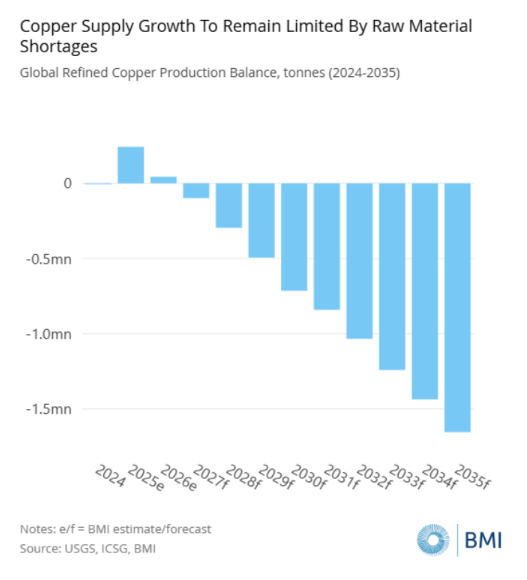
BMI expects both copper and nickel markets to remain in a modest surplus in 2026. Depending on the region, mining operations' production impacts and extensions may vary. Higher drought risk is expected to be the primary effect of the 2026-2027 El Niño, with power shortages most likely in countries relying on hydropower for electricity. In monsoon-dependent regions, El Niño can affect rainfall volume and timing, impacting water reserves and hydropower generation for future dry seasons.
China's aluminum sector may face production curbs due to its reliance on hydropower in certain producing regions, while heavy rainfall risks in lithium operations in Latin America could delay production and project ramp-ups. Countries with less than 20% of their electricity generated from hydropower, such as Mexico and South Africa, experience a different exposure.
BMI anticipates peak-power constraints rather than widespread outages to be the more probable consequence. As the global demand for critical minerals supply intensifies, El Niño poses another challenge for countries seeking to secure their supply chains.
Written by urgent.news from Mining.com's reporting — not their text. Machine-written — may contain errors; check the original before relying on it.