Continuous close could make accountants everyday business advisors
Continuous close, in which a company’s books are closed every day instead of weeks after month-end, could change how accounting firms serve clients. As artificial intelligence shrinks the lag between a transaction and the advice built on it, year-end cleanup can become a running conversation. Software makers are retooling their products around the firms that […] The post Continuous close could…
Continuous close, a practice in which a company's financial books are closed every day instead of weeks after month-end, could revolutionize how accounting firms provide client advice. With the rise of artificial intelligence reducing the time lag between transactions and the advice generated from them, year-end adjustments could become an ongoing conversation.
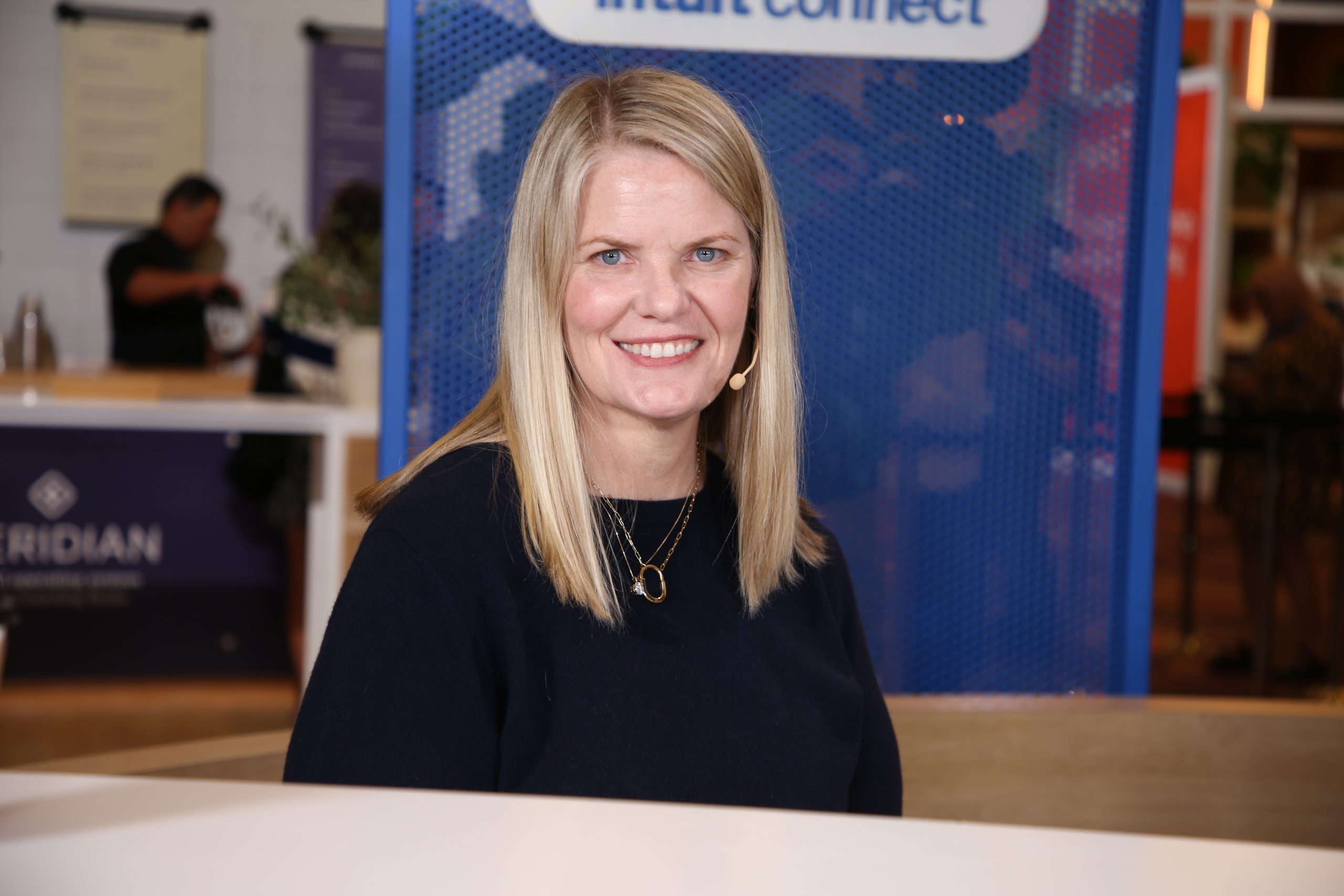
Software companies are adapting their products to cater to firms that advise businesses, not just the businesses themselves. Intuit Inc., a leading software maker, is pushing for automation in this space, focusing on client trust in the numbers, according to Dixie McCurley, managing partner in residence at Intuit. McCurley explained, "I think that being an advisor has always been difficult because we've always had to wait till year-end to then make all of the adjustments that actually make the financials make sense."
"I've had so many clients over the years that couldn't get to an audit, even by October. The reason that is, is because we were always reactive." That is changing with continuous close. McCurley discussed this with Alison Kosik and Christophe Bertrand at Intuit Connect, during an exclusive broadcast on theCUBE, SiliconANGLE Media's livestreaming studio.
They explored how AI is reshaping the role of accountants, why trust in the numbers is crucial, and what continuous close could mean for client advice. Intuit has developed an expanded intelligence platform for accountants, including Intuit Accountant Suite, designed for firms managing hundreds or thousands of client books. Accuracy is the first test.
During a panel discussion, McCurley recounted an experience where the same amortization table, processed through two AI tools, yielded one correct and one incorrect result. "I was thinking about it like this: When AI gives you back an answer, it reminds me of when my junior accountants would give me back an answer," she said. "They try so hard to find the right answer, but they may not have the best experience to know, oh, actually it depends on a lot of context."
That discrepancy is where accountants add value. The financial needs of a $5 million company differ significantly from those of a $50 million company, and judgment fills in the gaps that software cannot. "I don't think it's about efficiency. To me, efficiency is table stakes," McCurley stated. "What it's going to do is it's going to open up creativity of the right brain."
Continuous close is the ultimate goal, a vision McCurley has pursued for two decades. She has already streamlined month-end close from 21 days to just two. "How much more can we advise them? It doesn't have to happen 21 days after the close," she said. "It doesn't have to happen four months at the end of the year. Now we can do that every single day. Our days are changing with AI."
Written by urgent.news from SiliconANGLE's reporting — not their text. Machine-written — may contain errors; check the original before relying on it.