Consumer Appetite for Personal AI Goes Mainstream
This article is brought to you by Qualcomm Technologies . For many consumers, much of the promise and appeal of AI is personal. Consumers are looking past generic tools and want to know how these technologies will help them in their daily lives. These trends coincide with the advent of new classes of wearable devices that, in addition to being able to leverage powerful frontier models, feature…
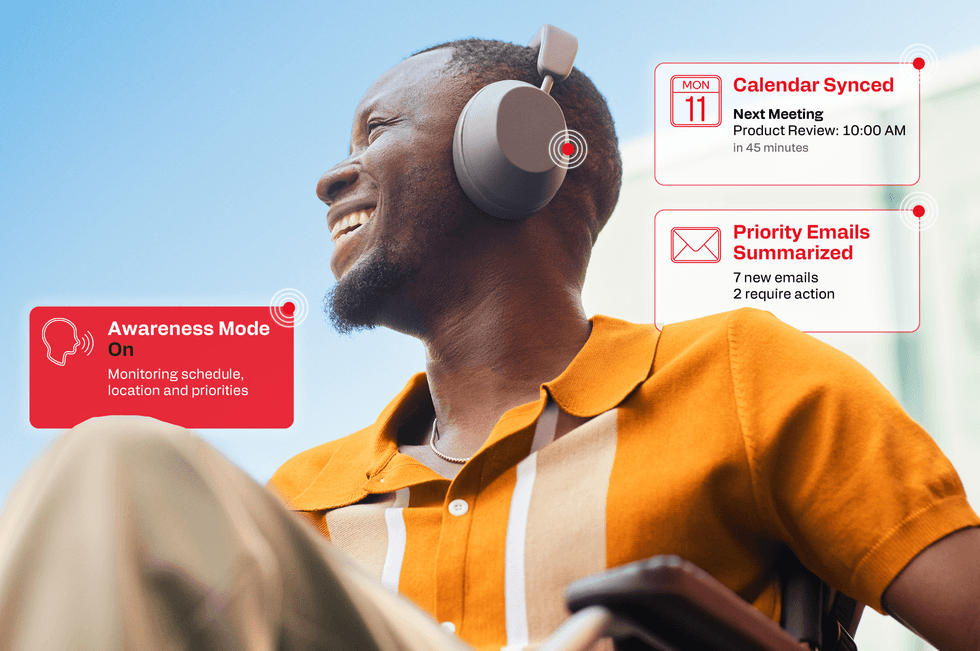
The consumer demand for personal AI is becoming mainstream, according to a report commissioned by Qualcomm Technologies. This shift is driven by the rise of intelligent wearables that leverage powerful AI models and offer built-in context-aware intelligence. The smartphone is no longer the central device; instead, the AI acts as the user interface in this personal AI paradigm.
The report surveyed over 12,000 people across various countries and found that consumers are less interested in single devices and more interested in connected ecosystems of devices such as smartwatches, smart glasses, hearables, and other wearables like rings, pins, and pendants. These devices work together as a cohesive unit, with the AI agent serving as the unifying factor.
For example, during a workday, a user's watch could detect it's time to leave for a meeting and coordinate with the AI agent to factor in calendar details, real-time traffic, and battery status across all devices. The AI agent could then suggest the best route to the meeting and display a discreet reminder on smart glasses, while the phone remains in the user's pocket.
While new hardware form factors are being welcomed, consumers demand more from their ecosystem of devices, looking for incremental intelligence, convenience, and contextual awareness that their existing devices cannot provide. However, trust is a significant factor in the adoption of intelligent wearables, as privacy, security, and user control are top concerns.
Almost 60% of respondents want to keep data from their wearables private or insist on gaining approval before sharing it. The report suggests that consumer trust is hard-won and necessary for the widespread adoption of personal AI in intelligent wearables.
Written by urgent.news from IEEE Spectrum's reporting — not their text. Machine-written — may contain errors; check the original before relying on it.