China’s record-breaking clean tech exports offer signs of hope in the fight against emissions
China is exporting a record amount of clean energy technology and equipment as the energy crisis from the Iran war drives surging demand for renewables , and that will help reduce global emissions , according to a report released Thursday. Once installed or deployed, these 2026 exports will likely avert emissions of about 450 million metric tons of carbon dioxide per year, roughly equal to…
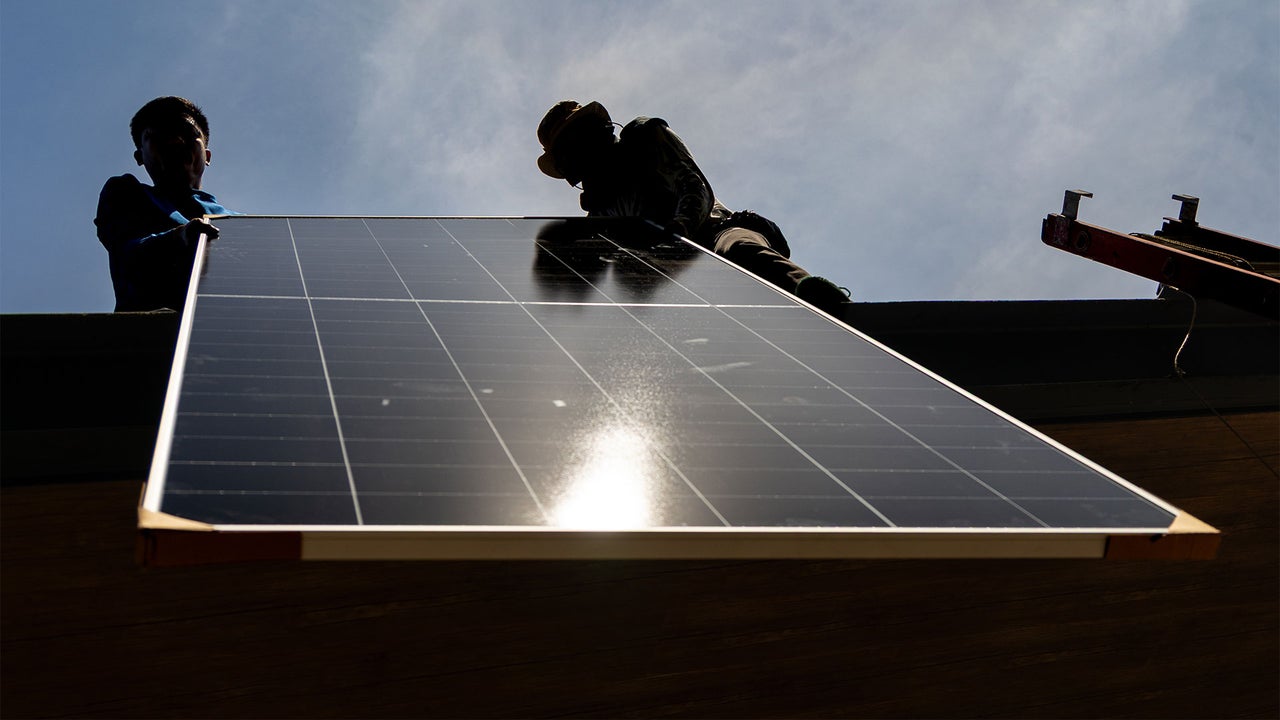
China is exporting record amounts of clean energy technology and equipment in 2026, driven by soaring demand for renewables due to the energy crisis caused by the war in Iran. This trend is expected to help reduce global emissions, according to a report from the Centre for Research on Energy and Clean Air. If current export trends persist, China's clean tech exports could avert about 450 million metric tons of carbon dioxide emissions per year, roughly equivalent to Brazil's annual emissions.
The analysis by CREA highlights the speed of growth in clean energy exports, which is far faster than predicted just a few years ago. Southeast Asia has become a major destination for Chinese clean energy exports, with shipments to the region jumping nearly 160% from last year to September 2026. China's electric vehicle exports to Southeast Asia alone reached $72.8 billion in the first nine months of 2026, up from $39.7 billion the previous year.
The export of batteries and solar equipment has also seen significant growth, with exports increasing by 39% and 22% respectively. If these export trends continue, about 8,400 million metric tons of carbon dioxide will be averted over the lifetime of all clean tech China exported this year, representing about 24% of annual global emissions.
Despite ongoing challenges and higher tariffs, Chinese clean tech exports to the U.S. rose 13% in the first nine months of 2026 compared to the previous year. Experts believe the demand for renewables will likely persist, even after the war, as consumers in Southeast Asia opt for renewable alternatives like rooftop solar to reduce dependence on imported fossil fuels.
Written by urgent.news from Fast Company's reporting — not their text. Machine-written — may contain errors; check the original before relying on it.