China accuses Philippines of setting up ‘obstacles’ to attending Asean defence meeting
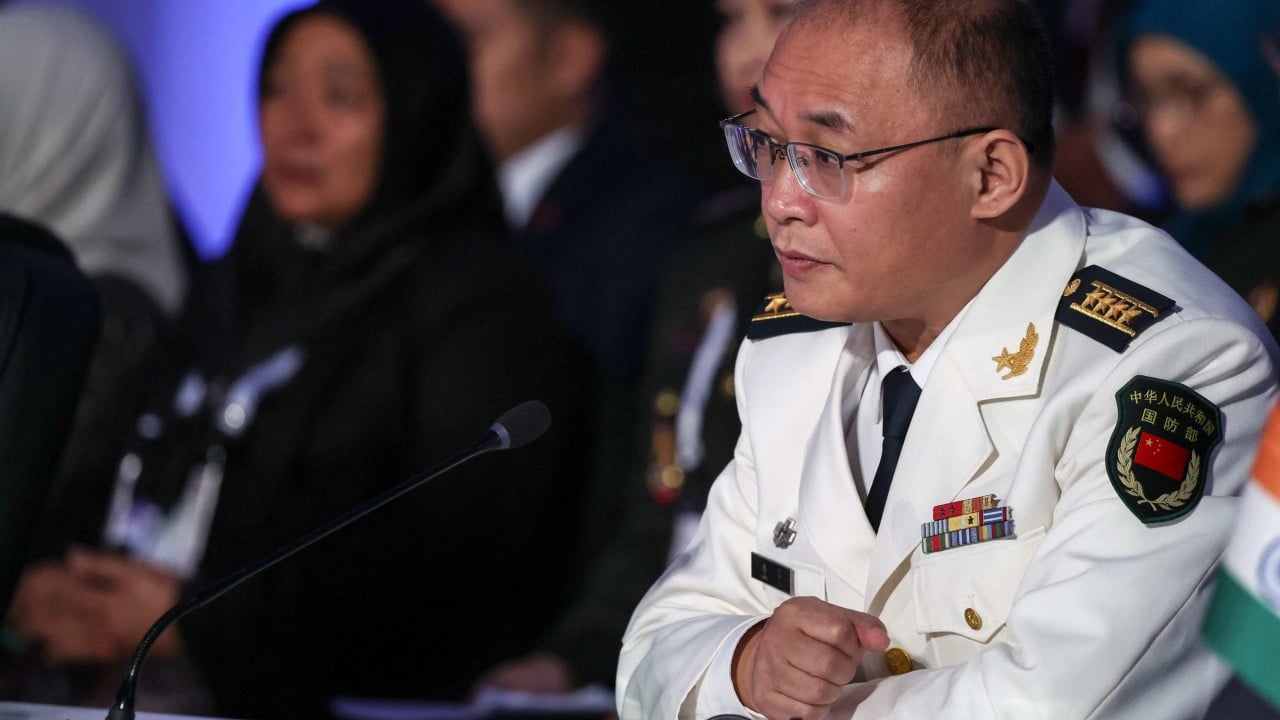
China has accused the Philippines of setting up “numerous obstacles” to attending a meeting with defence ministers from the Association of Southeast Asian Nations and of violating “basic diplomatic protocols”. The row, which follows years of tension over the two countries’ competing claims to the South China Sea, saw Beijing sending its defence attache to the meeting in Lapu-Lapu in the…
KUALA LUMPUR, Oct 29 — Asean member states must avoid allowing overlapping maritime claims in the South China Sea to fragment the region's peace and solidarity, stated Defence Minister Datuk Seri Mohamed Khaled Nordin at the 20th Asean Defence Ministers’ Meeting (ADMM). Highlighting Asean's unity as one of the bloc's strongest assets, Mohamed Khaled emphasized the South China Sea as a pivotal trial for the alliance's cohesion, credibility, and commitment to its founding principles.
He cautioned that no dispute, regardless of its depth, should cause division within Asean or jeopardize the peace painstakingly constructed over decades. Malaysia, the Philippines, Vietnam, Brunei, China, and Vietnam all lay claim to territories in the contested waters. The Asean and China have inked a non-binding Declaration on the Conduct of Parties (DoC) in 2002 and have been discussing a binding Code of Conduct (CoC) since 2013, with both anticipating its completion by year-end.
Strengthening regional disaster response Asean faces mounting challenges due to climate change, according to Mohamed Khaled. He stressed the need for a more robust and coordinated regional disaster response capability, citing the existing Asean Militaries Ready Group on Humanitarian Assistance and Disaster Relief (AMRG on HADR) as a starting point.
This framework facilitates military assistance coordination and the deployment of military assets to disaster-stricken areas, notably demonstrated during the Myanmar earthquake last year. "Building on these foundations is crucial to enhance operational readiness, improve coordination, and ensure our armed forces can respond swiftly and effectively when disasters strike," he advised.
Addressing new threats The 20th anniversary of the ADMM, chaired by the Philippines, saw Mohamed Khaled calling for the establishment of strong local and regional capacity to counter emerging non-traditional threats. He warned that these threats are now a pressing reality rather than distant possibilities, being real, recurring, and increasingly challenging to overlook.
Mohamed Khaled urged Asean member states to overcome working in isolation, stressing that no single country can tackle these challenges alone. He reiterated that Asean's future security hinges on trust-building, constructive dispute management, and a shared determination to uphold regional interests.
Written by urgent.news from Malay Mail's reporting — not their text. Machine-written — may contain errors; check the original before relying on it.
This story
This is one outlet's version. Read the fullest account.