BUSHVELD LUNACY: Dig first, find water later: Limpopo’s industrial insanity
Urgent questions need to be asked about a huge Chinese development in a bushveld biosphere to produce steel the world no longer needs.
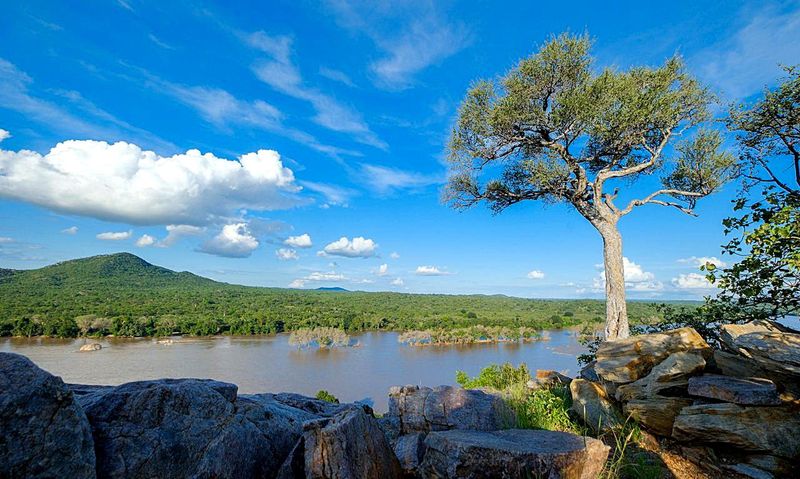
The Bushveld region in Limpopo is facing industrial insanity as China plans a coal-based manufacturing complex within a protected biosphere reserve. Northern Limpopo already has limited water resources, making it even more unsuitable for such a development. The Chinese-controlled Kinetic Development Group is advancing towards coal pits, coke ovens, power generation, and smelters in the Musina-Makhado Special Economic Zone.
The government's reasoning behind this decision is an investment opportunity, despite the surplus of steelmaking capacity worldwide and the International Organisation for Economic Co-operation and Development's warning of growing surplus in the global market. The Department of Water and Sanitation's report on water supply for this industrial vision remains unproven.
Environmental organizations and the Living Limpopo coalition argue that the water availability for this massive project has not been shown to be sustainable and lawful. These concerns are particularly alarming for communities relying on boreholes, as an industrial supply may become the only water source available. If the project fails, residents could lose water, livelihoods, and a functioning landscape.
Some argue that the fragmented nature of the development applications allows the developers to evade scrutiny, defending each component separately within a smaller frame. The public is asked to inspect each component individually, while the train of industrial development rolls over the landscape.
Groundwater does not stop at a company boundary, nor does pollution. Long-term effects could be disastrous, as reported assessments either disagree on the expected lifespan of the coke plant or omit combustion emissions from coke ovens, which could significantly increase the plant's direct emissions. The absence of a comprehensive emissions assessment is likened to a fire inspection that overlooks the flames.
The involvement of South Africa in this climate-damaging venture raises questions about the national government's responsibility in the matter. Environmental organizations have repeatedly tried to persuade the Department of Forestry, Fisheries, and the Environment to intervene, but the fragmented approach allows the developers to defend each component independently. The interconnectedness of these projects suggests that their environmental consequences should not be disconnected at the licensing counter.
Written by urgent.news from Daily Maverick's reporting — not their text. Machine-written — may contain errors; check the original before relying on it.