BOJ preview October: hawkish hold expected as inflation remains sticky
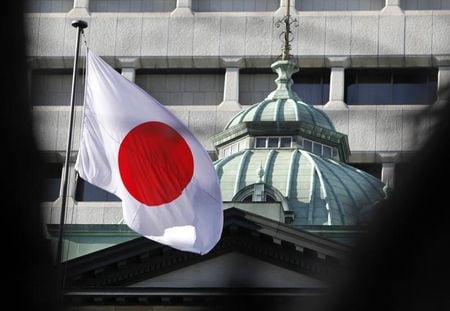
The Bank of Japan is anticipated to maintain interest rates unchanged at 1.25% following a two-day meeting slated for October 30. Despite the central bank adopting a hawkish stance due to persistently sticky Japanese inflation, it has not yet decided on any rate hikes. The BOJ previously increased the benchmark rate by 50 basis points this year, and had also signaled its intention to consider further rate hikes during the September meeting.
Core consumer price index inflation in Japan rose to 2.1% in September, while underlying inflation climbed to 2.4%. Despite government subsidies on fuel and utilities, Japanese consumer inflation has consistently risen this year, driven by surging energy and raw material costs in producer price index inflation. The BOJ is expected to keep its hawkish bias, but the economic outlook's uncertainty and geopolitical tensions from the Middle East are projected to limit the extent of rate hikes.
ANZ analysts predict a 25 basis point rate hike in December and another in March, but caution that the BOJ must remain vigilant to growth developments. Tokyo CPI inflation for October is expected to be released on Friday and could influence the BOJ's future rate decisions. Japan's Nikkei 225, which experienced volatile swings ahead of the decision, was mainly affected by technological shares.
A more hawkish stance from the BOJ could exacerbate tech valuations, considering their sensitivity to interest rates. A stronger yen, potentially resulting from a hawkish BOJ statement, could negatively impact exporters, which constitute a significant part of the Nikkei. However, higher interest rates may favor lenders and domestically-focused sectors.
Lenders have profited significantly from the rising domestic interest rates. The Japanese yen has historically reacted positively to hawkish BOJ signals, probably leading to a decrease in the USD/JPY pair – which represents the rate at which yen is exchanged for one dollar. The BOJ's recent tightening measures have been driven by a weaker yen, as the central bank is worried that a soft yen could elevate import costs and further fuel inflation.
Japan and the U.S. collaborated in a joint intervention in August to support the underperforming currency. Nonetheless, the USD/JPY has largely recovered from its losses since then.
Written by urgent.news from Investing.com's reporting — not their text. Machine-written — may contain errors; check the original before relying on it.