Birds can get jet lag on long, fast flights and then fly off course
On fast flights across the Atlantic, the body clocks of Manx shearwaters get out of sync with local time, leading them to veer away from the most direct flight path
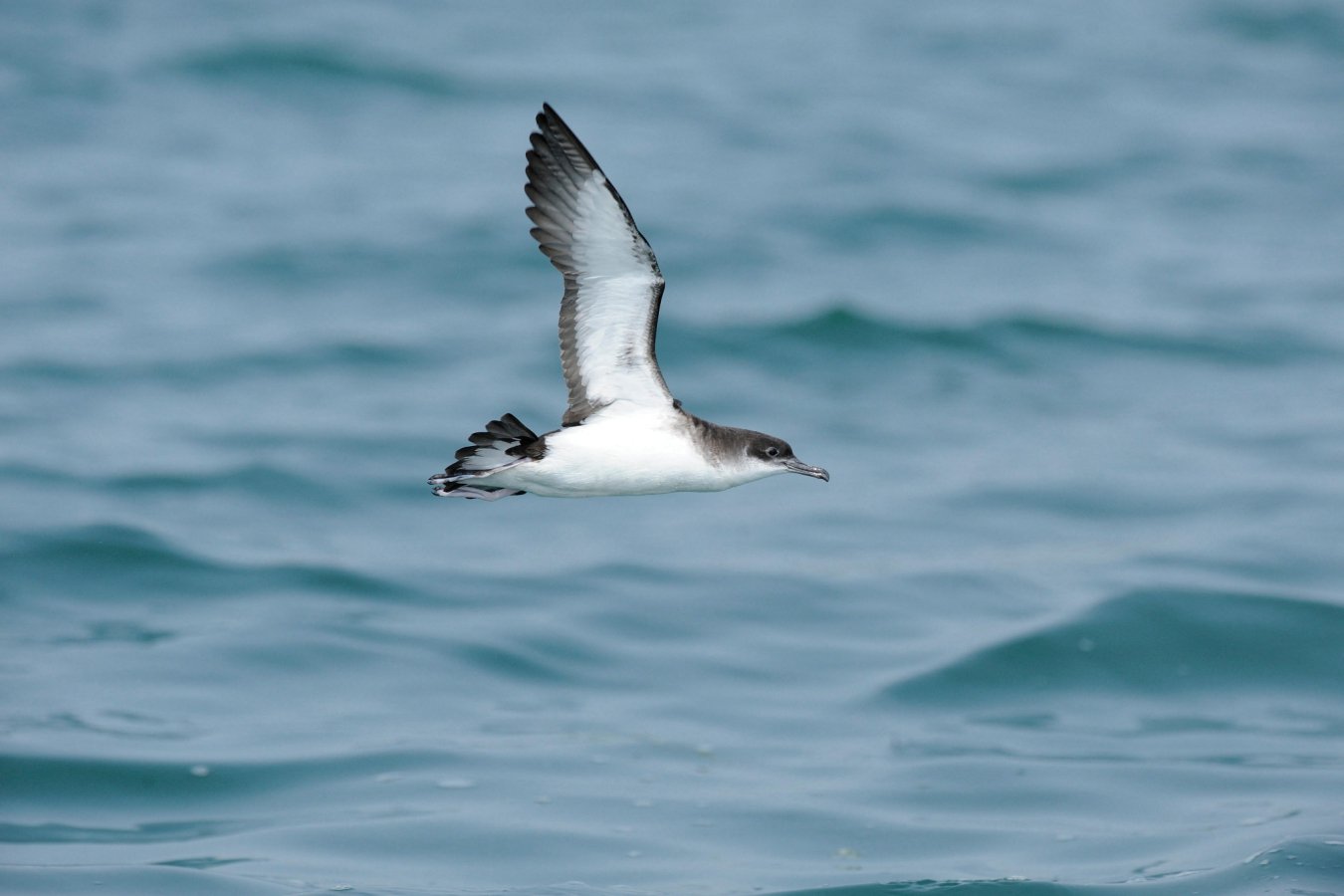
Recent research has shown that certain birds, specifically Manx shearwaters, experience "jet lag" during long, fast flights across the Atlantic. According to Patrick Lewin of the University of Oxford, the birds' internal clocks can become misaligned by more than an hour, causing navigational errors. Although Lewin initially avoided using the term "jet lag," as it often refers to the health issues associated with this clock shift, he acknowledges that the phenomenon is essentially the same process that causes jet lag in humans.
Manx shearwaters are small seabirds that undertake extensive migrations, utilizing a technique known as dynamic soaring to take advantage of wind gradients near the sea surface. These birds breed on islands around the UK and Ireland and travel over 1000 kilometers westwards to reach fish-rich waters in the mid-Atlantic. Once they have obtained food, they return in a straight line, making only slight adjustments to avoid landmasses like Ireland.
The researchers believe that other long-distance fliers, possibly including insects and bats, may also experience this clock-shift effect. While some birds can sense Earth's magnetic field for navigation, Manx shearwaters do not appear to rely on this method. Instead, they seem to use a sun compass, adjusting their orientation relative to the sun to maintain a course.
When their internal clocks are altered by artificial light and darkness, the birds head in the wrong direction, much like other animals that depend on their internal clocks.
By analyzing the flight paths of nearly 4000 foraging trips taken by Manx shearwaters, the researchers discovered that birds on rapid return flights tended to deviate clockwise when out of sight of land. While other factors, such as the Coriolis effect and winds, were considered, the sun compass effect was found to be the most significant predictor of the observed changes in the birds' orientation.
This effect is small, with a bird having to fly an additional 5 kilometers to reach its colony after a 1000-kilometer flight, which is likely negligible for such efficient long-distance travelers. The researchers believe that Manx shearwaters may not have evolved a mechanism to avoid this jet lag effect due to its minor impact on their navigation.
Written by urgent.news from New Scientist's reporting — not their text. Machine-written — may contain errors; check the original before relying on it.