Between revered and hunted: The journey of human-otter coexistence in the Amazon
On a warm, humid morning, along the Içana River in Brazil’s upper Rio Negro Basin, researchers observed a group of Baniwa men heading to the river to check the fishing traps they left in shallow, fast-moving waters. Slightly further downstream, a group of giant otters (Pteronura brasiliensis) was also hunting. They stayed in the water […]
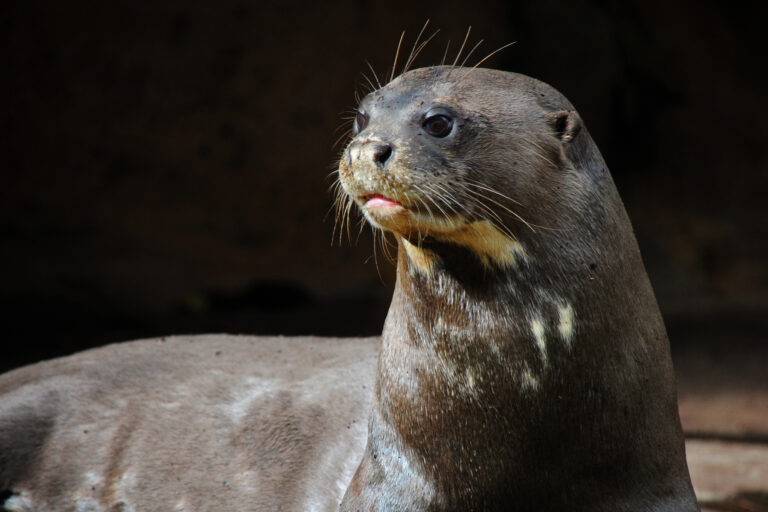
On a warm, humid morning, researchers in Brazil observed a group of Baniwa men checking fishing traps along the Içana River. Nearby, a group of giant otters were also hunting in the river's fast-moving waters. As they surfaced with a striped fish, their feeding site along the bank was littered with fish bones and reeked of feces, making them difficult to ignore.
Giant otters typically live in groups of nine to 12 family members. For the Indigenous Baniwa people, who rely on fishing for protein, these otters coexist in their environment, posing both reverence and challenges.
Written by urgent.news from Mongabay's reporting — not their text. Machine-written — may contain errors; check the original before relying on it.