Apple finally combined a toaster and a refrigerator
For more than 15 years, Apple has had a pretty simple answer to the idea of a touchscreen MacBook: no. Yesterday, Apple finally decided to think different and announce one anyway. "You've gotta touch it to believe it," says Apple CEO John Ternus. He might be right: I haven't yet touched it, and I still […]
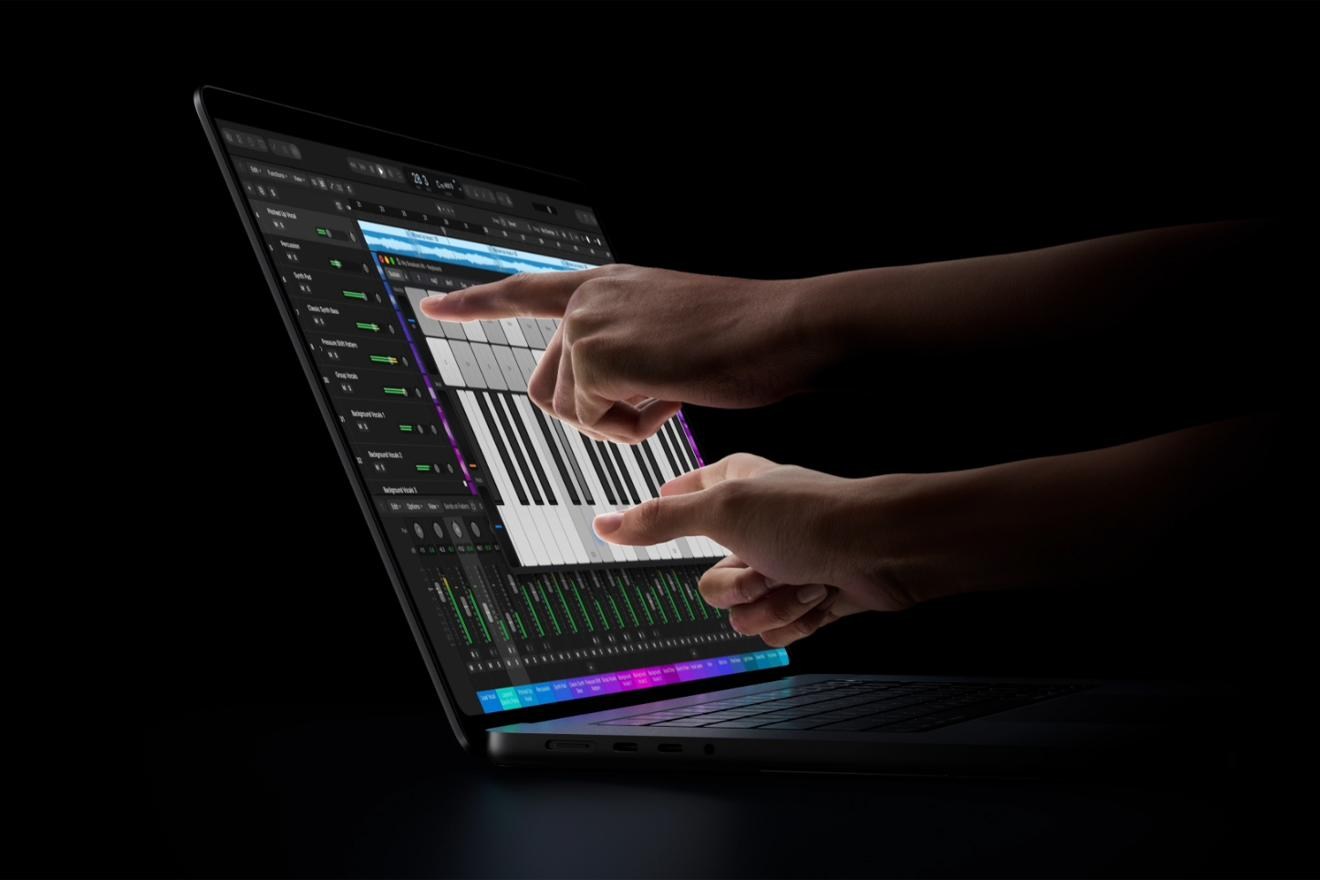
Apple has finally decided to venture into the realm of touchscreen laptops, a move that has been years in the making. CEO John Ternus expressed enthusiasm for this new direction, stating that users must "touch it to believe it." This decision comes after years of Apple's CEO Steve Jobs dismissing touchscreen laptops, deeming them "ergonomically terrible" due to the discomfort they cause during prolonged use.
The company's skepticism towards touchscreen laptops was consistent, with former Apple CEO Tim Cook jokingly referring to hybrid laptops and tablets as compromises in 2012. Software chief Craig Federighi echoed this sentiment, describing the MacBook as a "sit-down experience" and arguing that a touchscreen interface was not the right choice for it.
However, recent developments have led Apple to reconsider its stance. Marketing chief Greg Joswiak admitted that touch was long overdue on the Mac, noting that young creators and users expect touch capabilities. While the high price point of Apple's MacBooks may limit the immediate adoption of touchscreen features, the company appears to be waiting for hardware to mature before presenting its own version of the technology.
Apple has made significant strides in making touchscreen functionality more comfortable and intuitive. The redesigned hinge on the MacBook Pro screen provides better stability, and the menu bar has been optimized for touch interactions. Gestures such as swiping between pages and spaces, as well as accessing Mission Control or App Exposé, have been implemented, offering a more familiar experience for users accustomed to trackpad interactions.
One of the most interesting software additions is the Dynamic Island, originally introduced on the iPhone 14 Pro. This feature allows users to access quick controls by tapping the Dynamic Island and displays notifications such as brightness or volume levels. Apple's decision to port this feature to macOS demonstrates their willingness to embrace cross-platform convergence, potentially leading to a more cohesive integration between macOS, iOS, and iPadOS.
While the introduction of touchscreens on a MacBook Pro is seen as a logical step for a professional device, it remains to be seen how developers will adapt their apps to support touch interactions. Apple has enabled basic touch features like scrolling and pinch-to-zoom, but more comprehensive touch support may require additional effort from developers.
Apple's move towards touchscreen laptops could be seen as a response to the growing demand from younger users who are increasingly comfortable with touch-based interfaces. By embracing touchscreen technology, Apple aims to stay competitive in the evolving laptop market and cater to the preferences of its target audience.
Written by urgent.news from The Verge's reporting — not their text. Machine-written — may contain errors; check the original before relying on it.