Another all-time-high tax burden? Business as usual then
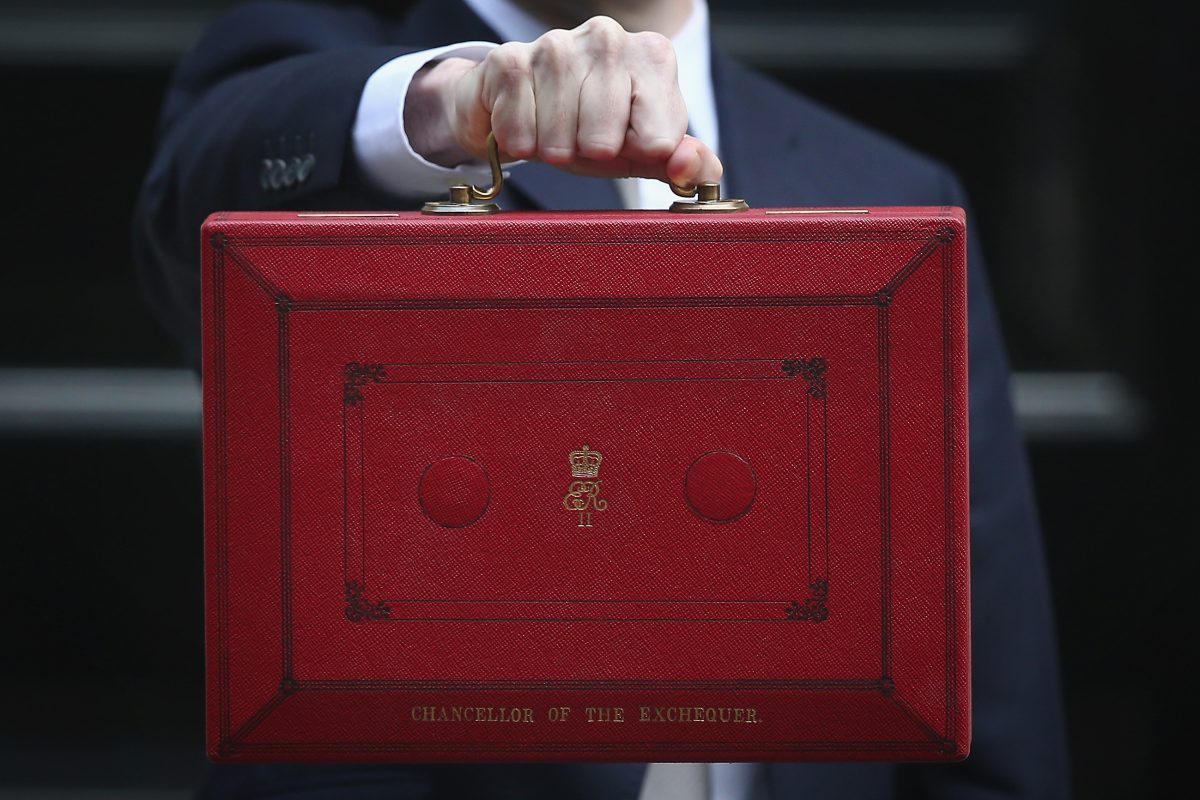
The Autumn Budget has paved away for an all-time-high tax burden, but isn't that just what we all expect now, writes Valentin Boboc.
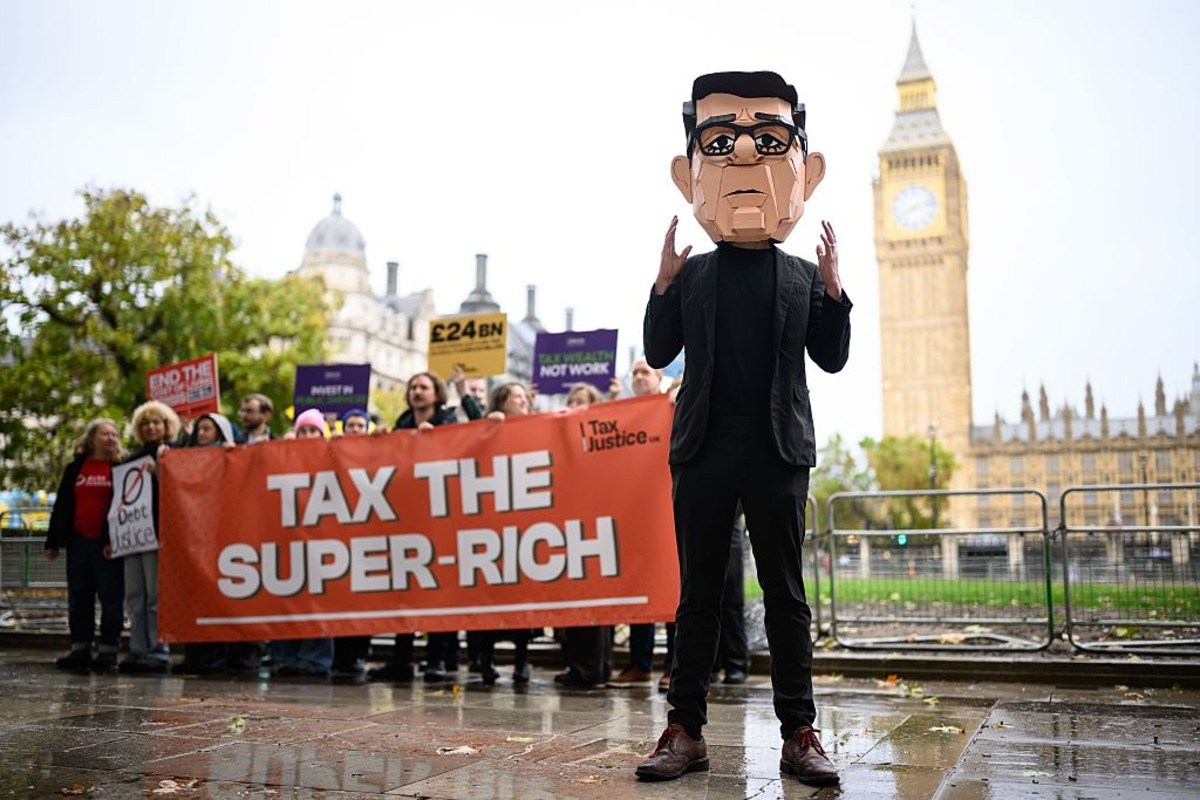
The Autumn Budget has brought about an all-time-high tax burden, according to Valentin Boboc. This Budget indicates that the tax burden is set to reach unprecedented levels and maintain them in the years to come. This can occur without any increase in income tax rates, as fiscal drag will carry out this task. By freezing income tax thresholds, rising wages result in higher earnings being taxed and more individuals transitioning to higher tax brackets.
The OBR's March forecast estimated that freezing the personal allowance and higher-rate threshold contributed £34 billion to the Treasury's coffers in the current financial year alone.
The Budget also includes a common mix of minor changes to tax and regulations. Some of these measures are beneficial, such as efforts to reduce bureaucracy and encourage more housing development, albeit in limited ways. Consumers will also gain from lower customs duties, although targeted excises on gaming machines will not enhance consumer choice.
Regarding energy, the government acknowledges the impact of its regulations and levies on increasing energy costs. However, the Budget fails to address the numerous policy costs, such as energy levies and standing charges, which are exacerbated by our inability to construct new infrastructure promptly. Some reasonable progress has been made towards making devolution more meaningful and reducing centralization.
By allowing mayors to retain business rates and a share of income tax, local governments across the country are provided with stronger incentives to pursue economic growth and local development.
However, other aspects of the Budget revert to a familiar approach that may cause more harm than good. Many measures announced in this Budget follow the British tradition of limiting supply while subsidizing demand. For example, housing remains challenging to build, but a new First Time Buyer ISA will subsidize deposits, raise prices, and exacerbate the housing crisis.
Similarly, the labour market exhibits the same pattern. Increase in minimum wage may reduce the number of people hospitality businesses can afford to hire, but business rates relief will provide some compensation. This situation is concerning given that youth unemployment is already above 15 percent. It is uncertain how far small apprenticeship programs and other subsidies can help young people find employment if the labour market is overly regulated and unable to absorb them.
The British tax system is already characterized by unnecessary complexity, featuring a convoluted system of reliefs, exemptions, and differentiated rates. The Budget exacerbates this complexity by introducing a separate Pension Tax Allowance. This creates a form of quadruple lock on old age benefits, which will likely result in increased welfare spending in the future and may prove unsustainable.
In summary, the tax burden increases to an all-time high to cover the historically significant costs of managing a historically large national debt burden. The Chancellor claims that these measures could lead to a balanced budget by the end of the present parliament. However, given the Office for Budget Responsibility's (OBR) considerable reduction in economic growth estimates for the following year (down sharply from 1.6 percent to 1.0 percent) and the absence of a serious plan for fiscal consolidation, there is little reason to hope.
Written by urgent.news from City AM's reporting — not their text. Machine-written — may contain errors; check the original before relying on it.