After losing his majority, Netanyahu tries to delegitimize election results
After his far-right coalition lost 11 seats in the election, Israeli Prime Minister Benjamin Netanyahu is trying to discredit the results by claiming there was mass voting fraud in Arab communities. Why it matters: Netanyahu appears to be trying to spook the opposition bloc out of cooperating with Arab parties to form a new government. But the opposition is concerned he has an even more ambitious…
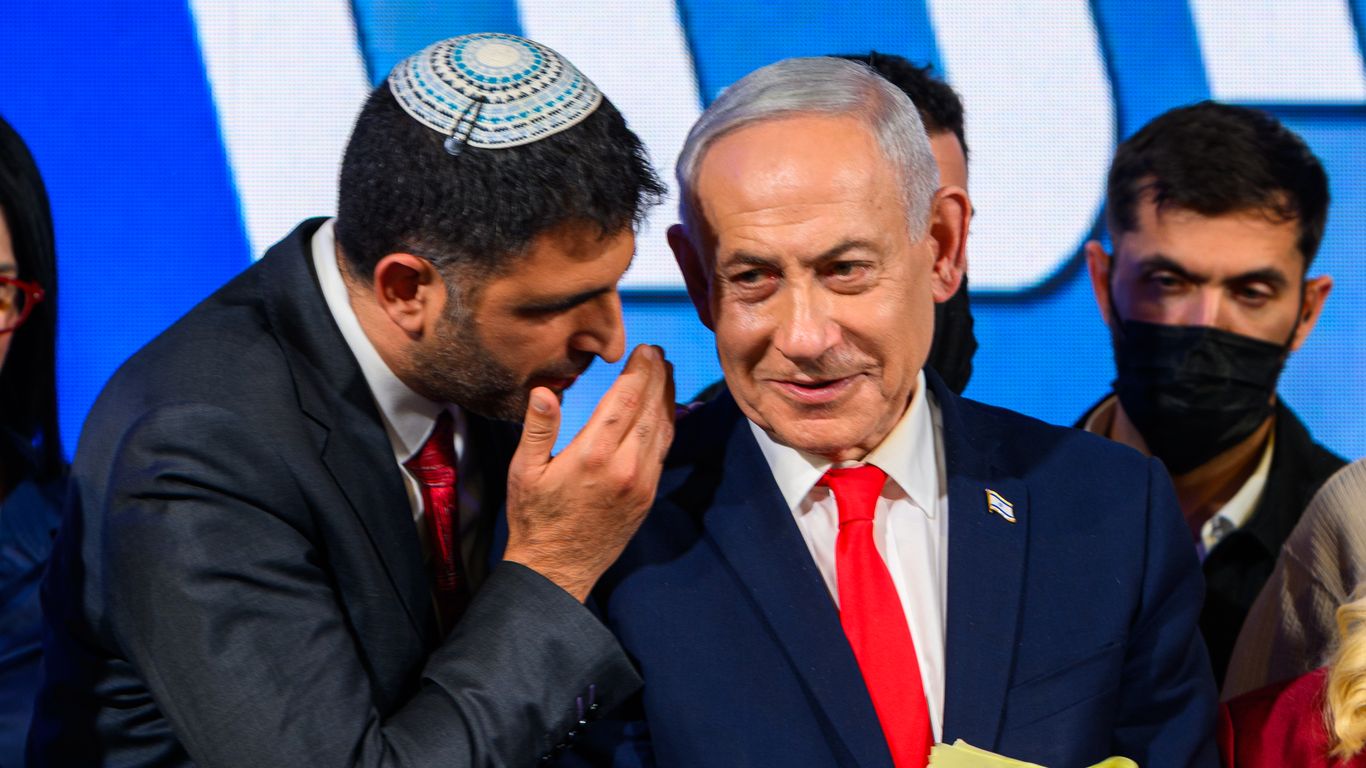
As Israeli Prime Minister Benjamin Netanyahu's far-right coalition lost 11 seats in recent elections, he is attempting to discredit the results by alleging mass voting fraud in Arab communities. This move aims to deter opposition parties from cooperating with Arab parties to form a new government. However, the opposition fears Netanyahu seeks to prevent the election results from being certified, which would block the swearing-in of a new parliament and his loss of majority status.
Netanyahu and his Likud party began their campaign to delegitimize Arab votes days before the election. Half of Netanyahu's social media posts on Election Day cast suspicion on the unprecedented turnout in Arab communities, an attempt to mobilize his supporters to the polls. Despite this, Arab voters cast ballots in historic numbers, securing 19 seats between their two parties.
On Wednesday, Netanyahu's Likud party issued a statement claiming the election was stolen through bribes and fraud, based on the arrest of three activists suspected of paying a small number of voters in one Arab city. However, Israeli police dismissed these claims as baseless.
The situation escalated further when a letter from the Supreme Court judge heading the Central Elections Committee was leaked to Israeli media. The judge ordered the Shin Bet domestic security agency to investigate allegations of foreign interference in the election and submit conclusions within a week. While the Israeli police found no evidence to support Likud's claims, media outlets alleged Qatar as the foreign country involved, citing connections between Netanyahu's advisers and Qatar.
During a press conference on Election Day, the Shin Bet director confirmed the elections were "safe and secure," denying any foreign interference. However, later that day, the director briefed Netanyahu and the Central Elections Committee head on intelligence suggesting foreign countries sent money to an Arab party to increase turnout.
This information was not shared with opposition leader Gadi Eisenkot until after the letter leaked. The Shin Bet director also briefed outgoing opposition leader Yair Lapid, suggesting the investigation had been ongoing for weeks.
Shin Bet stated that the investigation was focused and narrowly defined, not casting suspicion on the Arab minority. They emphasized that only those who acted unlawfully would be held accountable. Despite this, Netanyahu and Likud seized upon the allegations, calling the leaked letter an "earthquake" and claiming the elections were stolen without evidence. They warned that no Zionist party should cooperate with Arab parties in replacing the Knesset speaker or establishing a new government.
Written by urgent.news from Axios's reporting — not their text. Machine-written — may contain errors; check the original before relying on it.