24 hours with the iPhone Duo — here are my 5 immediate takeaways
After spending my first 24 hours with Apple’s first foldable, I’m impressed, exasperated and conflicted about whether you should buy this phone.
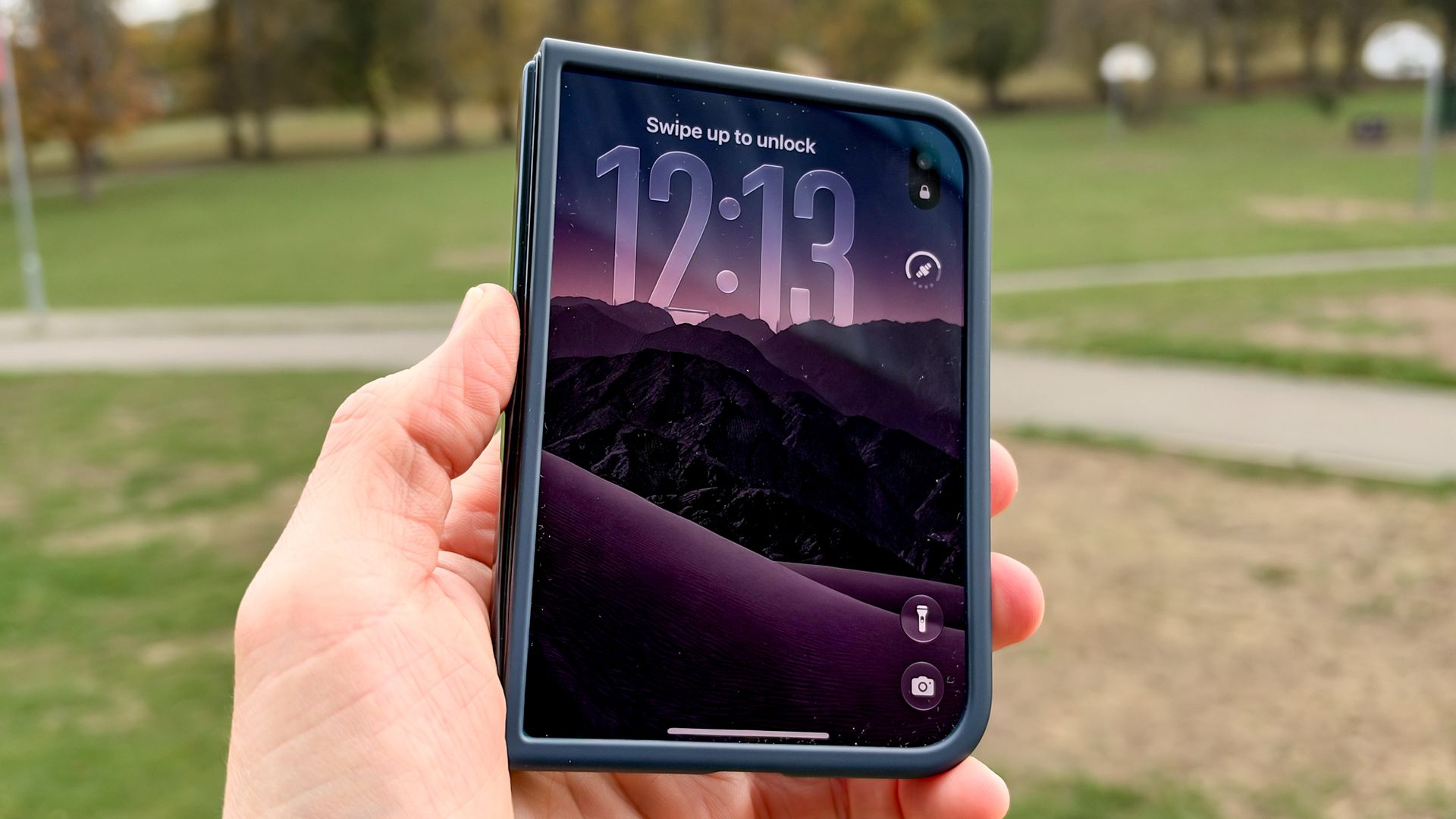
The iPhone Duo made a strong first impression at a press event in London several weeks ago, leaving a strong impression. Spending a full 24 hours with the device has solidified my initial thoughts that it's a game-changer for iPhone owners and the foldable phone market. Despite its high $2,000 price tag, it's clear that Apple's first foldable is well-received by customers.
However, there are some significant drawbacks, as my colleague Mark noted in his full review. It's important to be aware of these issues before purchasing the phone.
One of the most notable aspects of the iPhone Duo is its form factor, which remains a strong selling point even in its folded state. The 5.4-inch outer display is compact enough to fit into any pocket and can be used with one hand for basic tasks like calling, messaging, checking social media or browsing pictures. When unfolded, the 7.6-inch nano-texture inner display offers a rectangular form factor with rounded corners, providing an optimal reading experience for novels and other content.
Another important feature of the iPhone Duo is its support for eSIM technology. In the UK, all regular iPhones except the last year's iPhone Air still come with a physical SIM slot. However, eSIM-only devices are becoming more common, and Apple's push in this direction should help increase adoption. The Duo eliminates the need for a physical SIM card, making it easier for users to switch carriers and manage their data plans.
While some apps still display a thick black bar on the right-hand side when used on the Duo, this issue is expected to be resolved as developers optimize their apps for the new device.
Nonetheless, there are some concerns with the current version of the iPhone Duo. Many apps are not yet optimized for the device, resulting in a compromised experience, particularly with larger apps like Wikipedia and Google's suite of apps. This issue is a result of the early stage of development and is likely to be addressed as more users adopt the device. The delay in availability may actually be beneficial, as it gives Apple more time to improve the user experience.
One drawback of the iPhone Duo is the absence of Face ID. While Touch ID remains functional, it feels slower and less convenient, especially compared to the instant unlocking capability of Face ID. Apple has implemented a process where Touch ID temporarily pauses before unlocking the phone, adding an extra step to the process. For users who have grown accustomed to Face ID, this could be a significant inconvenience.
In terms of durability, the iPhone Duo has received positive feedback from reviewers. So far, there have been no reported instances of screen cracking, hinge failures, or water ingress. Apple has been praised for its commitment to durability with the device, and it's reassuring to know that it performs well under normal usage conditions. However, given the high price tag, users should take extra care to protect their investment, such as using a MagSafe case for added protection.
In conclusion, the iPhone Duo is a groundbreaking device that offers a unique form factor and a range of innovative features. It excites users about the future of mobile technology and generates enthusiasm among iPhone owners. However, there are also significant challenges that need to be addressed before the Duo can be considered a flawless product.
With time, software updates and app optimizations, the iPhone Duo has the potential to become a reliable and powerful tool for users who are willing to invest in its capabilities.
Written by urgent.news from Tom's Guide's reporting — not their text. Machine-written — may contain errors; check the original before relying on it.