'2026 resembles 1991': CEA Nageswaran says India is at a critical economic inflection point
Chief Economic Advisor V Anantha Nageswaran emphasized that 2025-26 could be a significant inflection point for India's economy. He mentioned the challenges posed by global shocks and supply-side disruptions in recent years. The reliance on imported crude oil adds to India's vulnerability to fluctuating international energy prices. Strengthening resilience to external disruptions is crucial for…
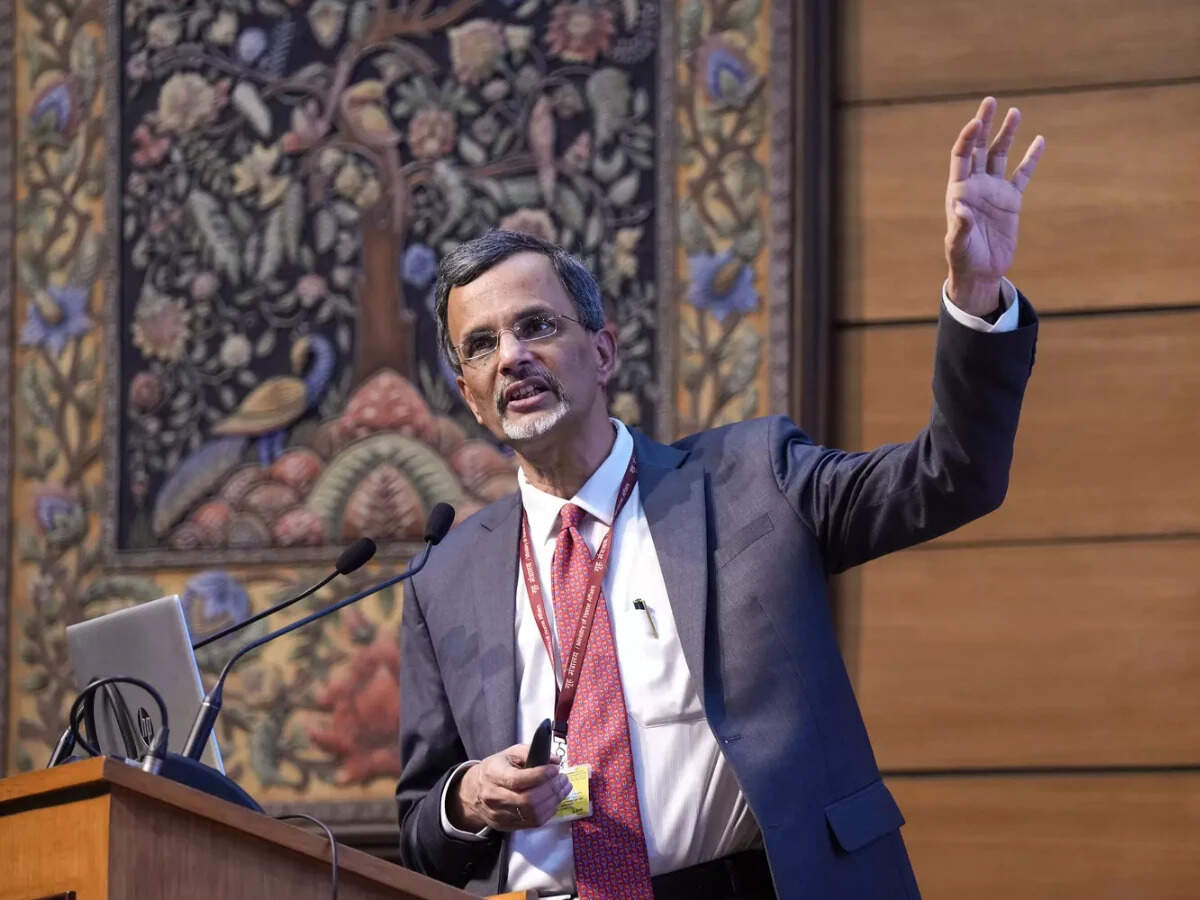
In 2025-26, India is at a critical economic inflection point, much like the country did in 1991, according to Chief Economic Advisor V Anantha Nageswaran. The comparison is not about balance of payments, but rather the significance of the moment for India's economic trajectory. The global economy has faced multiple disruptions recently, including wars and geopolitical conflicts that have affected energy markets, trade flows, and supply chains.
India's dependence on imported crude oil amplifies its exposure to international energy price volatility, while trade-related tensions and disruptions in critical supplies present further challenges.
Nageswaran emphasized that the past six years have witnessed numerous shocks, with supply-side disruptions being a common factor. The recent years have seen events like the COVID pandemic, the Russia-Ukraine war, and the war in the Gulf, leading to semiconductor chip shortages and weaponization of critical minerals. He highlighted the US trade war initiated by President Trump and followed by others, the Middle East war's impact on India's vulnerability to crude oil, natural gas, fertilizer, and cooking gas, and the growing use of artificial intelligence (AI) that is consuming significant amounts of capital, fresh water, and power for data center build-out.
Nageswaran stressed that the availability of commodities and supplies has become a critical binding constraint for many economies worldwide, and production behaves like a chain where the halt of one link affects the entire process.
Written by urgent.news from The Economic Times - Economy's reporting — not their text. Machine-written — may contain errors; check the original before relying on it.