10 US states to vote on data centre development on election day amid opposition
Voters in 10 US states will decide on election day whether to curb data centre development in their communities, as the rapid buildout needed to power the AI boom stirs local opposition. Resistance is especially visible in Ohio, one of the country’s fastest-growing data centre markets. No state has more data centre-related ballot measures, with voters in more than a dozen jurisdictions set to…
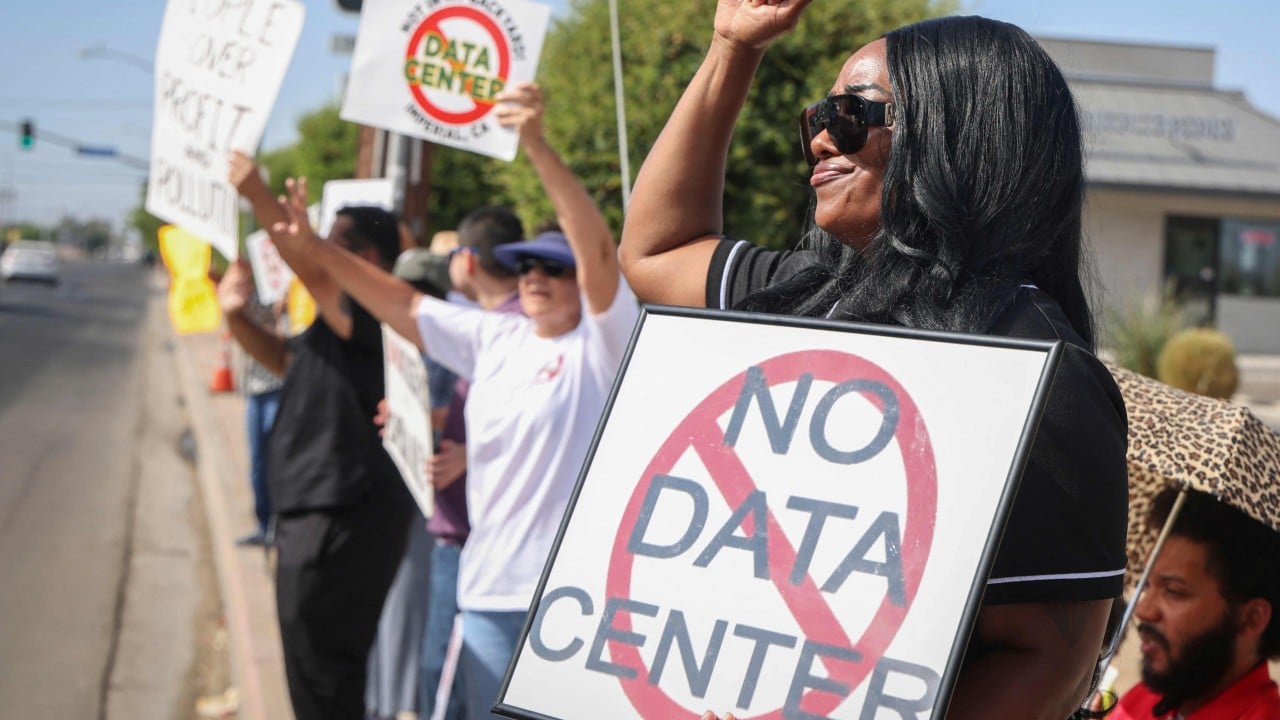
On the same day as the midterm elections, voters in 10 US states will decide whether to limit the development of data centres in their communities due to the rapid expansion required to support the AI boom. Ohio, known for its fast-growing data centre market, has the highest number of data centre-related ballot measures among the states. More than a dozen jurisdictions in Ohio will consider 21 proposals alongside the midterm elections, according to the non-partisan research group Ballotpedia.
Across 38 local jurisdictions, there will be at least 41 measures that would delay, prohibit or impose new requirements on data centres, which provide the computing power for AI applications. These measures demonstrate growing opposition to data centre development across the political spectrum, with both Democrats and Republicans supporting the bans, according to local organiser Jessica Baker from Conserve Ohio.
Concerns about data centres' high electricity and water usage, as well as potential health risks to residents, are driving this opposition. Even if data centre developers generate their own power using gas turbines or nuclear reactors, many residents remain opposed due to worries about health issues such as asthma.
If Ohio voters approve restrictions, developers may shift projects to other locations rather than abandoning them. The industry already faces significant challenges, such as lengthy waits for grid connections and rising construction costs. According to Baron Fung, who oversees IT infrastructure research at Dell’Oro Group, developers can potentially move demand to other sites if certain projects are cancelled or delayed.
Despite these obstacles, US data centre capacity under construction increased by 48% from December 2025 to June 2026, measured in gigawatts, according to John McWilliams, head of data centre insights at Cushman & Wakefield.
Major players in the industry have drawn attention to the ballot measures. In Sunbury, near Columbus, a measure that would ban data centres using more than 25 megawatts of power could potentially derail Amazon's proposed US$2 billion data centre development. Amazon's public policy lead, Shannon Kellogg, appeared on local television to address concerns about the project ahead of the vote, but declined to comment on whether the ballot initiatives would impact the company's expansion plans.
Amazon spokesperson said, "Regardless of the outcome of any single measure, our commitment to the communities where we operate remains the same."
Written by urgent.news from South China Morning Post's reporting — not their text. Machine-written — may contain errors; check the original before relying on it.