Why less data means improved security for businesses
How data minimization and zero-knowledge proofs can strengthen business security
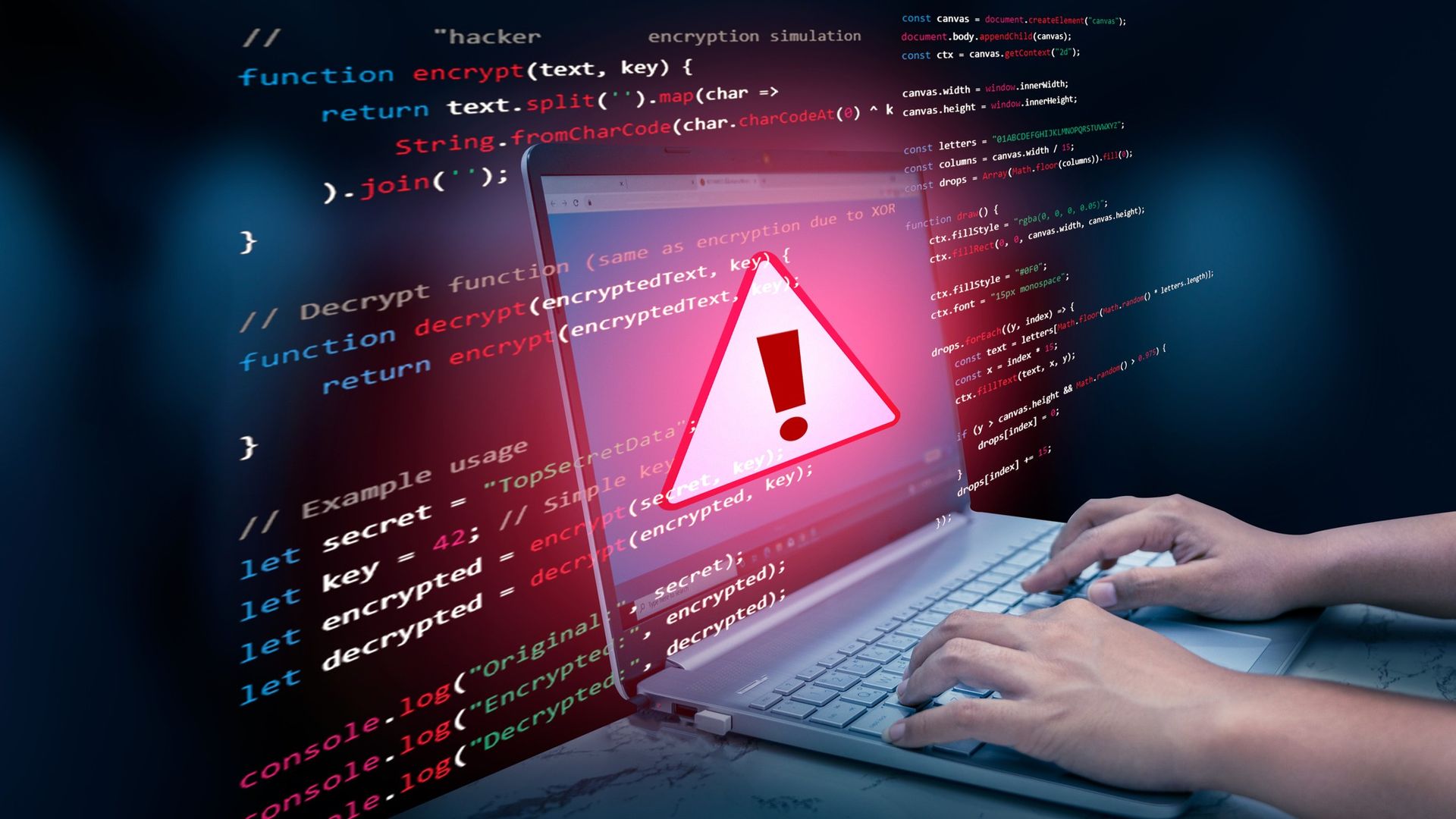
Recent data breaches have exposed personal information of millions of people, highlighting the risks of collecting and retaining large volumes of valuable data. Organizations must ask whether they truly need to accumulate so much personal data. Identity checks often require names, dates of birth, addresses, document scans, and facial images, which can create honeypots if breached.
As data's value increases, breaches become more lucrative for attackers and more catastrophic for businesses. AI tools are making breaches more frequent. Verification doesn't require vast amounts of data. Free online services often ask for too much personal information, putting the internet's overall business model at risk. Authentication primitives that preserve privacy can offer a solution, allowing people to access services without revealing unnecessary personal details.
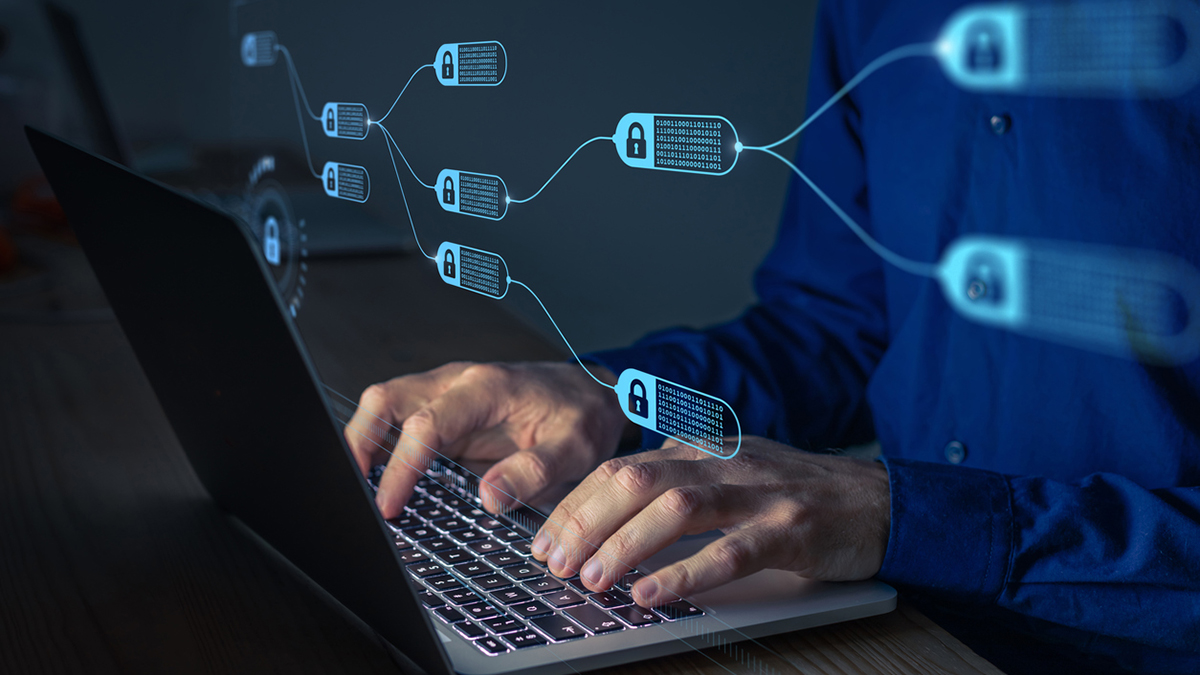
Data minimization can serve as a security control and risk mitigation tool. By collecting only the information needed at a particular moment, organizations can reduce their attack surface and the risk of data breaches. Zero-knowledge cryptography enables individuals to store digital credentials without revealing their identity or giving data to third parties.
This can verify claims like age, nationality, and document ownership while keeping the original information private. As AI makes it harder to distinguish what's real, preserving privacy becomes increasingly important. Preserving privacy is essential not just for security, but also as AI makes it harder to trust and verify data. Reducing data retention will become a crucial security measure in a world where personal data is becoming more valuable, harder to trust, and secure.
Written by urgent.news from TechRadar's reporting — not their text. Machine-written — may contain errors; check the original before relying on it.