Why India is Erupting
Protests are challenging India’s Hindu-nationalist government like never before.
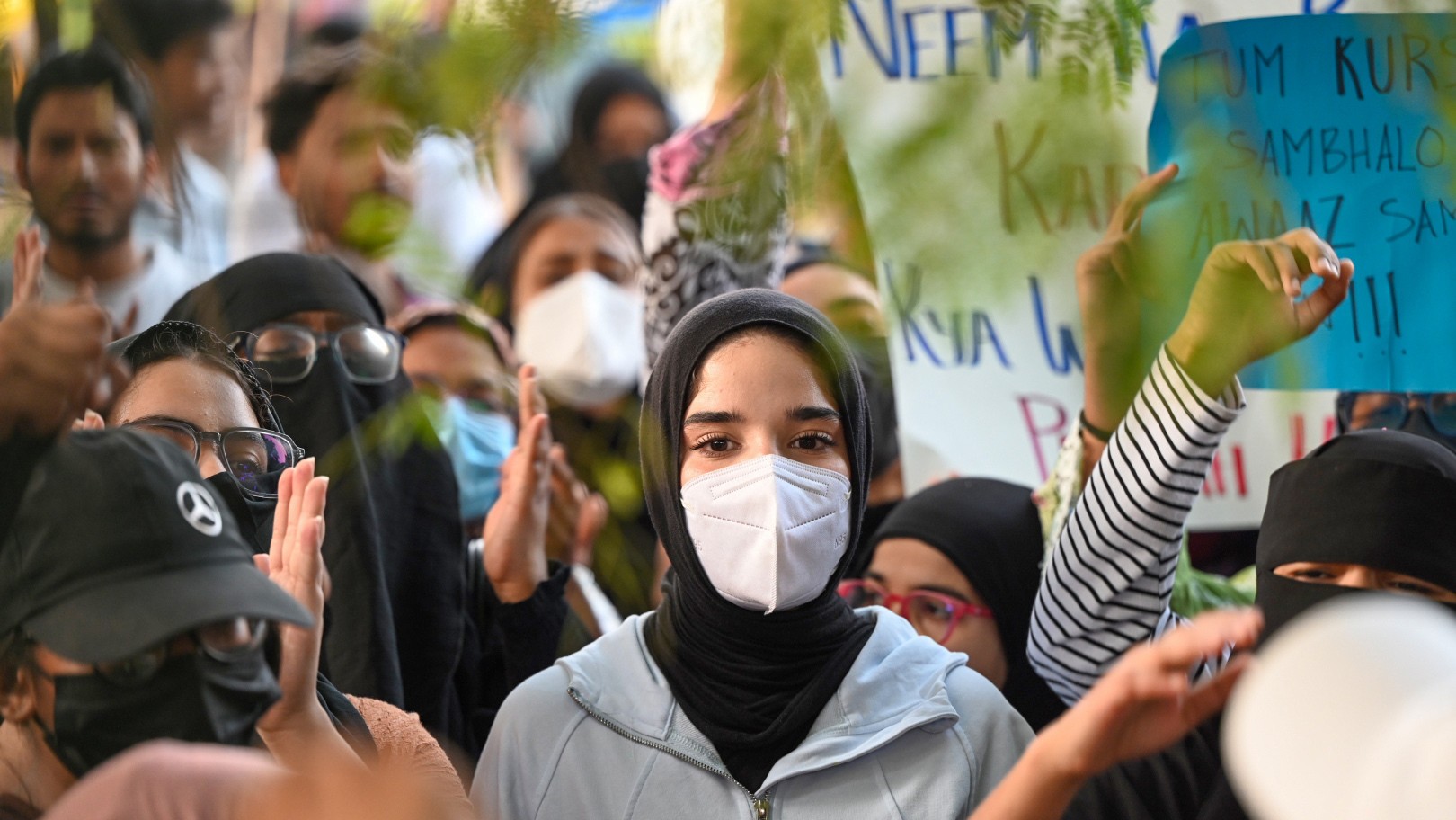
India has been embroiled in widespread protests that question Prime Minister Narendra Modi's authoritarian rule. The most recent protests are centered around the removal of millions of voters from the electoral rolls, but the challenge to Modi's Hindu nationalism began earlier this summer. Indian Chief Justice dismissed the country's unemployed youth as "cockroaches" and "parasites," which inspired an activist named Abhijeet Dipke to create the "Cockroach Janta Party" on social media.
This marked the beginning of a series of protests that have become the most potent means of contesting Modi's Hindu nationalist movement.
The Chief Justice of India (CJI) organized an offline protest at Jantar Mantar, a 18th-century observatory in Delhi, where the event's Instagram account amassed over 20 million followers. The CJP demanded the resignation of the Education Minister, Dharmendra Pradhan, for sabotaging the high-stakes exam system and creating uncertainty for millions of students. Pradhan resigned amidst the protests.
The protests evolved from a youth movement to a mass uprising, with over 100,000 protesters gathering for a planned march to Parliament. The police violently suppressed the demonstrators, resulting in injuries. This violence sparked a nationwide backlash, with protests erupting in over a dozen cities across India. The protests targeted Modi himself, with expletive-laden chants, and reached a level of intensity previously unseen in any Indian prime minister's tenure.
The Cockroach movement's success demonstrated that despite being poor and illiterate, India has a strong democratic tradition. The universal adult franchise, established shortly after independence, has become a cherished democratic ritual in modern India. The protests demand the removal of Chief Election Commissioner Gyanesh Kumar, reversal of the voter roll revision, and the scrapping of the law granting him lifelong immunity from prosecution.
These demands reflect the Indian public's unwillingness to tolerate treasonous actions against their democratic institutions.
Written by urgent.news from The Atlantic's reporting — not their text. Machine-written — may contain errors; check the original before relying on it.