Why I sent my archive of nature’s sounds to France (commentary)
It is a peculiar irony: as technology reaches ever deeper into Earth’s living systems, the primal sonic expressions of the natural world—wind, water, leaf, and creature—have never been more imperiled. Soundscape ecology rests on a simple conviction: the collective voices of the nonhuman world are not only eloquent, but essential. Recorded and preserved over time, […]
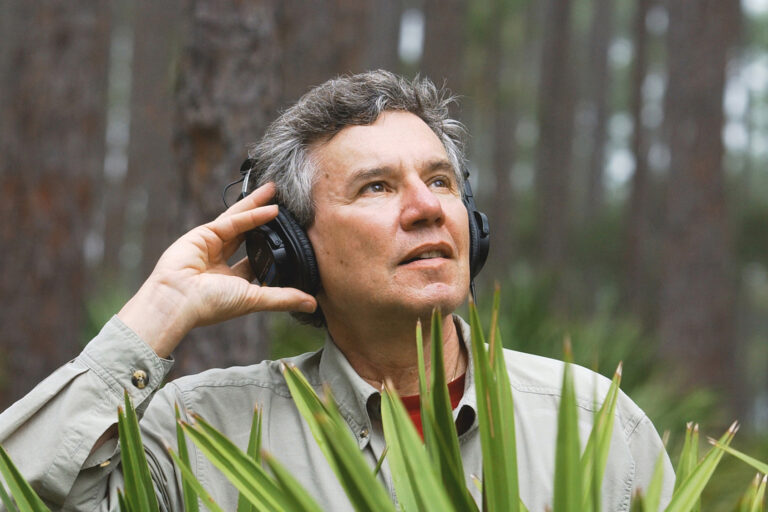
The irony is profound: as technology delves deeper into Earth's living systems, the natural world's raw auditory expressions—wind, water, leaf, and creature—are now more threatened than ever. The science of soundscapes relies on a fundamental belief: the combined voices of non-human entities are not only eloquent but vital. Over half a century, I have amassed more than 5,000 hours of recordings from both marine and terrestrial environments.
In these years, I have witnessed the symphony of life in all its vivid detail, as well as its troubling decline.
In recent years, science has faced significant challenges. The value of these scientific records—and the ethical implications of preserving them—has come under intense scrutiny by forces not of nature, but of governance. In 2017, just weeks after a new U.S. administration took office, a chilling effect spread through the scientific community.
Colleagues reported that research was suddenly viewed with suspicion, funding was cut, and valuable datasets were removed from public access. It became increasingly clear that the very essence of scientific inquiry was under attack.
The urgency of archiving natural soundscapes transformed from a matter of devotion and curiosity to an urgent responsibility. The threat was not solely the destruction of habitats or the extinction of specific bird species; it was also the loss of a comprehensive body of knowledge. I felt compelled to act, driven by a sense of defiance and duty. With this in mind, I copied my entire field collection, documenting thousands of hours of the natural world's raw sounds.
This article was originally published on Mongabay.
Written by urgent.news from Mongabay's reporting — not their text. Machine-written — may contain errors; check the original before relying on it.