When climbing Everest stops being the story, dying for it takes over
The tragedy in the documentary Everest: The Other Side underscores how personal psychology has usurped natural awe.
Two major films about climbing Everest premiered in the same month, Tenzing starring Genden Phuntsok and Tom Hiddleston as a biopic about the 1953 Everest expedition, and Everest: The Other Side, a documentary from Free Solo directors Elizabeth Chai Vasarhelyi and Jimmy Chin. Both films delve into the question of why someone would choose to climb the unscaleable, and it's this very question that makes the documentary particularly intense.
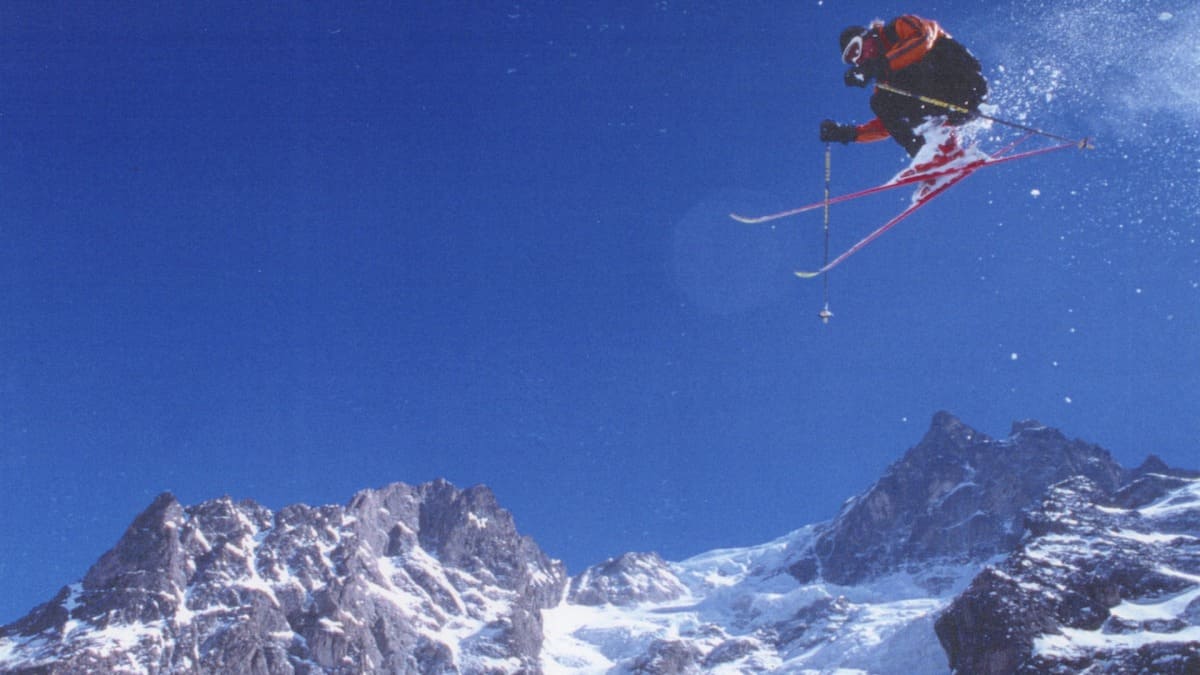
The documentary centers on Jim Morrison and Hilaree Nelson, climbers and romantic partners, who planned to scale the rarely climbed North Face of Everest and ski back down. However, their plans were cut short when Nelson died after an avalanche caused by her skiing down the mountain. The filmmakers, including Chin, were left to grapple with whether it was appropriate to continue the project in light of Nelson's death.
Despite the tragedy, the documentary continues, with Chin stepping in to take Nelson's place on the climbing team. While the film's portrayal of Morrison's justifications may not be fully explored, its focus on the climbers' determination and perseverance in the face of tragedy is undeniable. The documentary's unflinching portrayal of the dangers of climbing Everest, coupled with its complex exploration of the climbers' motivations, makes it a compelling portrait of human ambition and mortality.
Written by urgent.news from The A.V. Club's reporting — not their text. Machine-written — may contain errors; check the original before relying on it.