Volta Health Director calls for improved menstrual hygiene education, affordable sanitary products for girls
The Volta Regional Director of Health Service, Dr. Emmanuel Atsu Dodor has called for improved menstrual health education, access to affordable sanitary products, and stronger protection for adolescent girls against sexual exploitation and gender-based violence. He stressed that menstruation is a natural biological process that should not be a source of shame, discrimination, or an […]
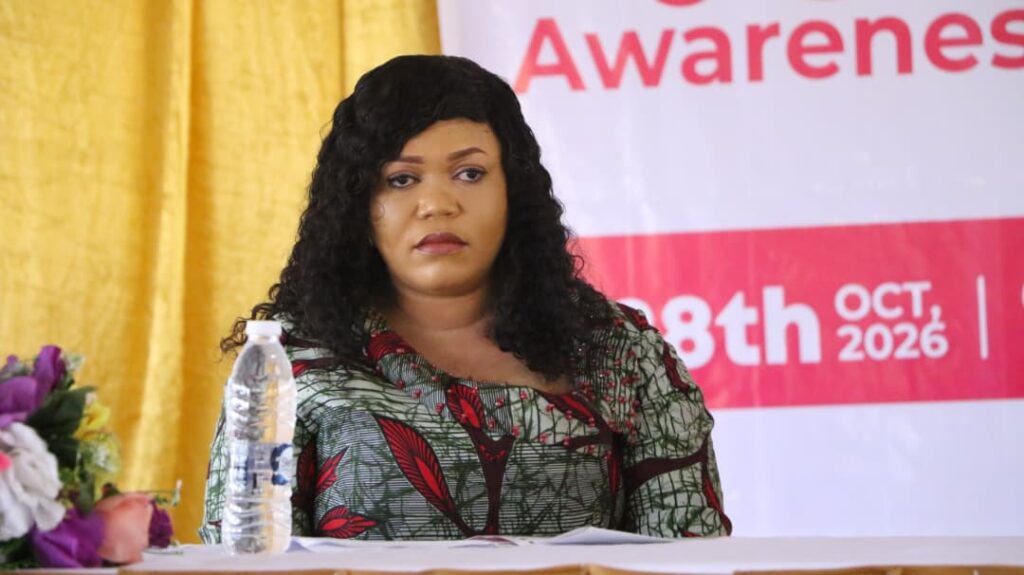
The Volta Regional Director of Health Service, Dr. Emmanuel Atsu Dodor, has urged for enhanced menstrual hygiene education, access to low-cost sanitary products, and safeguarding of adolescent girls from sexual exploitation and gender-based violence. He emphasized that menstruation is a natural biological process that should not be associated with shame, discrimination, or barriers to girls' education and personal growth.
Dr. Dodor conveyed this message during the Ghana Health Service's Menstrual Hygiene Awareness Day celebration at Anyako Senior High School in Keta Municipality, on behalf of the Anloga District Health Director, Jemima Misonu Akporlu. Organized by the Ghana Health Service with support from the United Nations Population Fund (UNFPA), the event promoted a "Period-Friendly World."
Dr. Dodor highlighted that while menstruation is a natural bodily function, many girls encounter obstacles in accessing affordable sanitary products, proper sanitation, and accurate menstrual health information. These challenges can harm their self-esteem, health, and educational prospects. He called for ongoing efforts to promote menstrual hygiene education and ensure girls have the necessary information, facilities, and support to manage their periods safely and with dignity.
He urged girls experiencing severe pain, heavy bleeding, or irregular periods to seek professional medical help instead of suffering in silence. Addressing sexual harassment, exploitation, and gender-based violence, Dr. Dodor stressed the need for survivors to receive immediate medical care, followed by psychological support and legal assistance.
He cautioned against delaying medical care and advised against practices that could hinder prompt handling of sexual violence cases. The Ghana Health Service remains committed to promoting adolescent sexual and reproductive health, improving menstrual health education, delivering adolescent-friendly health services, and supporting survivors of gender-based violence.
Dr. Dodor thanked the Keta Municipal Assembly chairperson, Mama Awotsu Azagba II, and UNFPA for their contributions to the celebration. He urged adolescents to maintain confidence, value education, protect their health, and seek help when their rights or safety are threatened. The event gathered health and education officials, Keta Municipal Assembly members, teachers, adolescents, and other stakeholders to raise awareness of menstrual hygiene and adolescent health, with the Ghana Health Service and its partners aiming to strengthen public understanding and foster supportive, safe environments for girls.
Written by urgent.news from Adom Online's reporting — not their text. Machine-written — may contain errors; check the original before relying on it.