US-Wirtschaft: US-Notenbank legt Zinspause ein
Die Fed hatte erstmals seit mehr als drei Jahren den Leitzins erhöht. Jetzt wird einmal pausiert. Die Beibehaltung der Zinsspanne dürfte allerdings nicht lange währen.
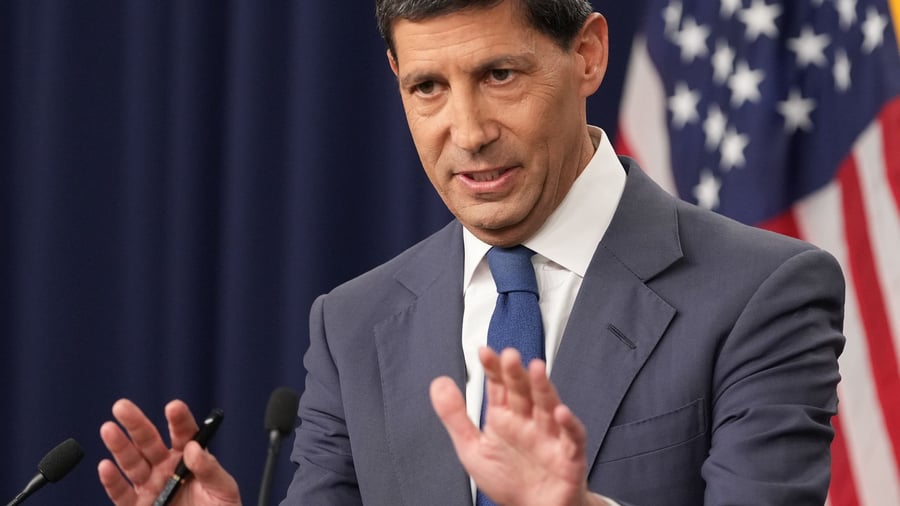
The Federal Reserve, America's central bank, has decided to maintain interest rates at 3.75 to 4.00 percent, according to its latest meeting. The decision was unanimous among the ten voting members, with two signaling an increase in interest rates by a notch. Prior to this, economists had expected a rate pause. The focus now shifts to whether the final decision this year in December will see further tightening of monetary policy, as inflation remains high.
The central bank emphasized that inflation is currently at a high level and they are committed to ensuring price stability. A majority in the Fed had signaled readiness for further interest rate hikes this year, with 16 out of 18 Fed members expecting at least one increase (25 basis points). Four of these members even anticipated a more significant tightening.
A similar outlook is expected for 2027, with 14 members projecting a minimum of 4.00 to 4.25 percent for the year, with the majority expecting 4.25 to 4.50 percent. Projections will be released following the December meeting. The European Central Bank is also expected not to raise interest rates at its meeting in Frankfurt on Thursday, despite rising inflation.
Economists expect the ECB to keep the deposit rate for banks and savers at 2.5 percent. The rationale for a rate pause at the moment is that the Fed raised it by a notch in September for the first time since July 2023, citing a faster return to its two percent inflation target. However, the inflation rate has exceeded expectations, with consumer prices rising by 3.7 percent year-on-year in September, approaching the highest level in over three years.
This surge in prices has been driven by energy costs, with key commodities like oil having increased significantly following the Iran war. The AI boom and robust consumer spending are also contributing to inflation. Simultaneously, employment growth has slowed. "Neither inflation nor employment provide clear signals to the central bankers," said DWS chief economist for the US, Christian Scherrmann.
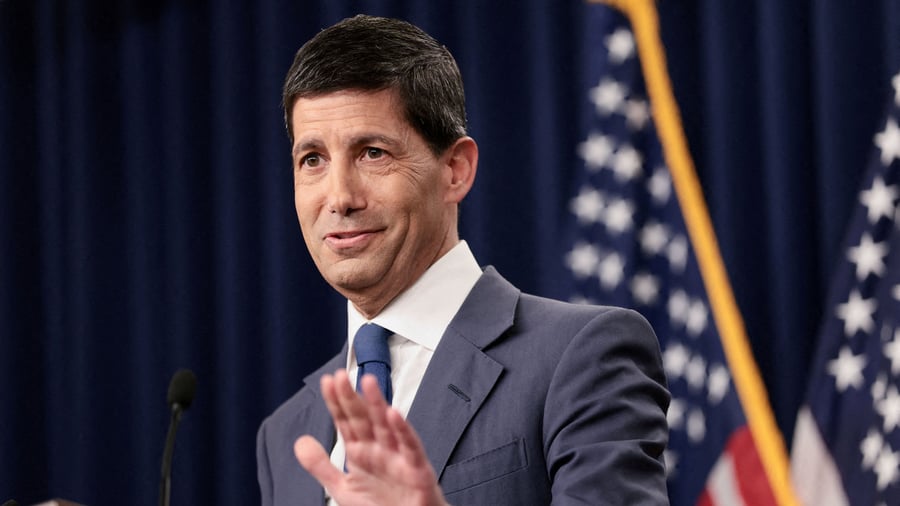
Warsh, the Fed's chief, indicated that a further rate hike may be difficult to avoid given the persistent inflation pressure. Stephan Bales, a US expert at KfW Development Bank, noted that Warsh would prioritize price stability over consumer concerns if inflation remains stubborn. A rate cut, as demanded by former President Donald Trump for a long time, is currently considered unrealistic given the current economic indicators.
The Fed's interest rate decisions aim to strike a balance between stable prices and maximum employment. Higher interest rates make borrowing more expensive for consumers and businesses, slowing down the economy. Conversely, lower interest rates stimulate growth and employment but can also spur inflation. The Fed's rate adjustments in September were intended to appease critics who had previously criticized its lack of action towards its prioritized price stability.
Warsh also aimed to reassure those skeptical of his closeness to Trump. The rate hike was seen by experts as a way to maintain the Fed's credibility, as it is legally required to make independent interest rate decisions from political influence.
Written by urgent.news from Handelsblatt's reporting — not their text. Machine-written — may contain errors; check the original before relying on it.