US-Notenbank Fed legt Zinspause ein, Leitzinsspanne bestätigt
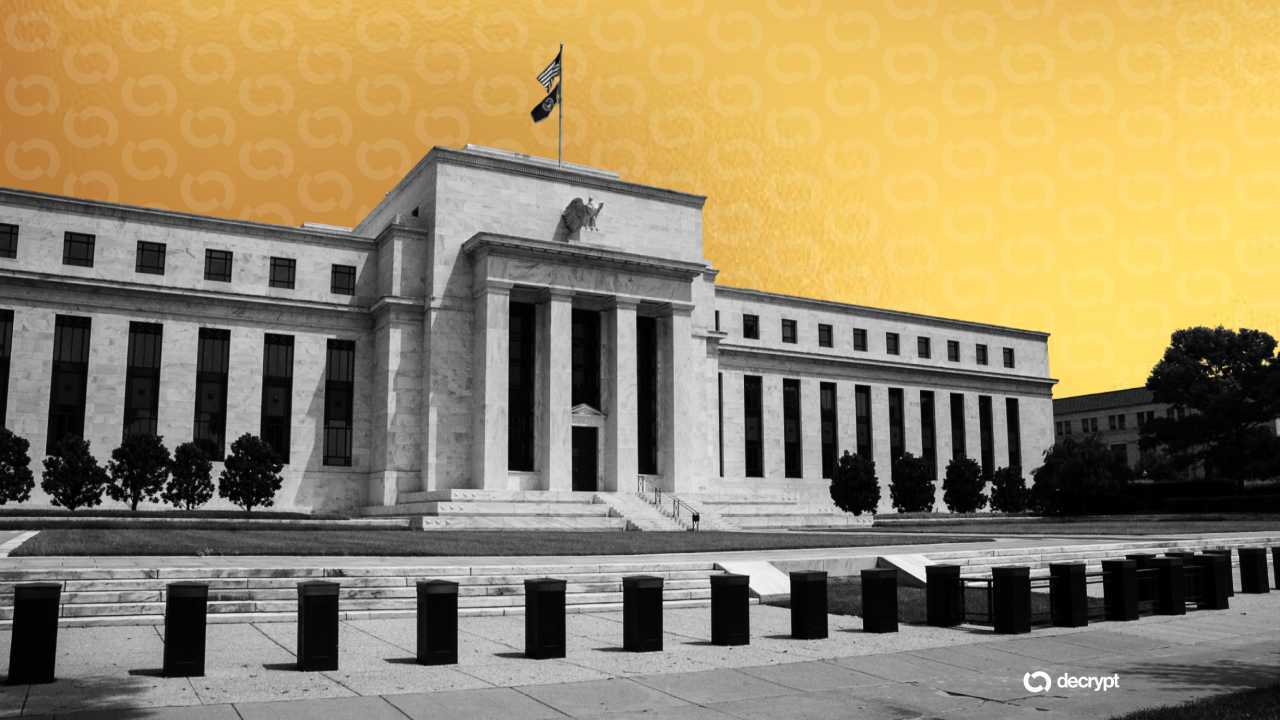
Die Zinsspanne bleibt damit bei 3,75 bis 4 Prozent. Innerhalb der Fed hatte eine überwältigende Mehrheit Bereitschaft für eine weitere Zinsanhebung in diesem Jahr signalisiert
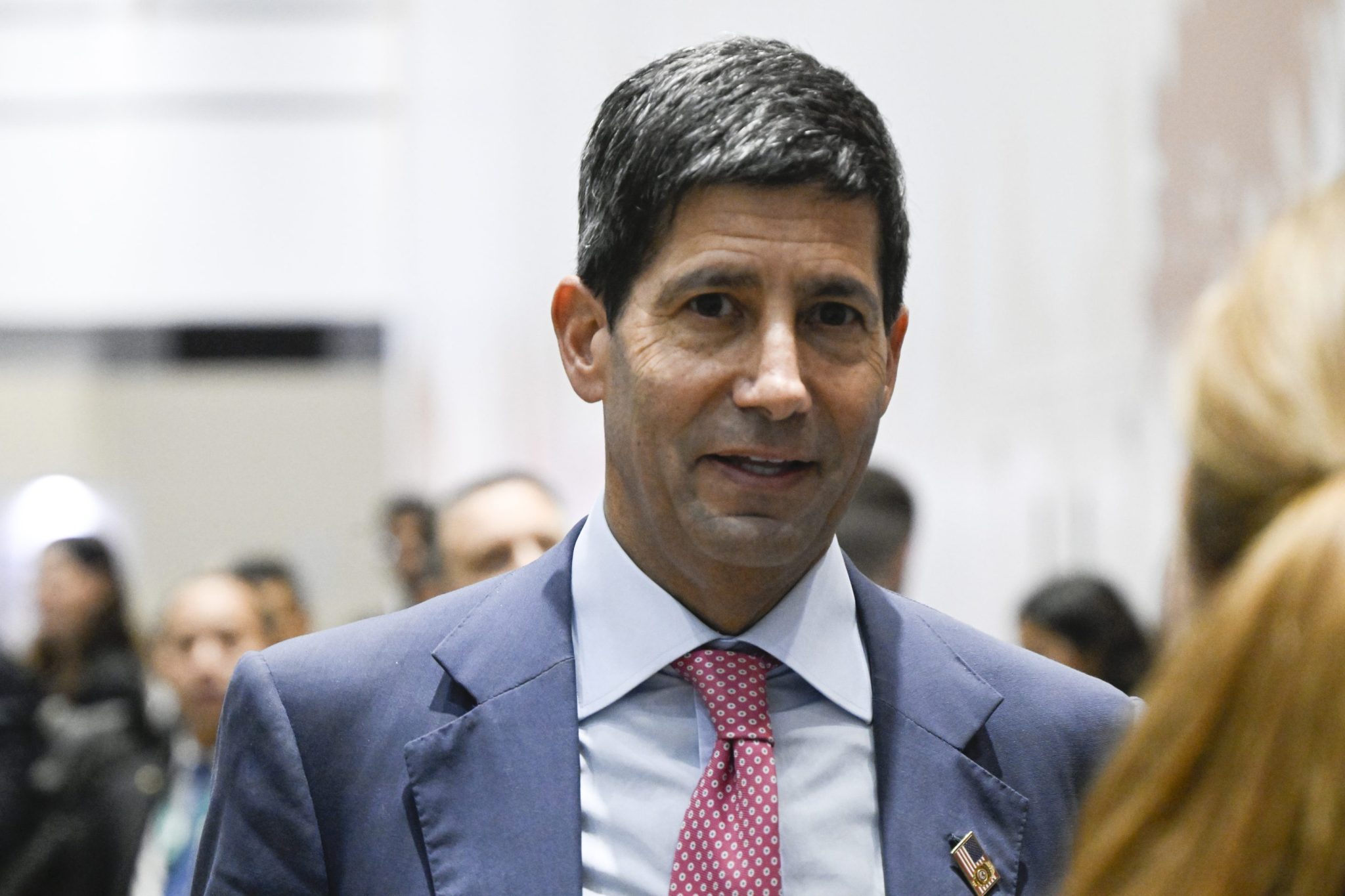
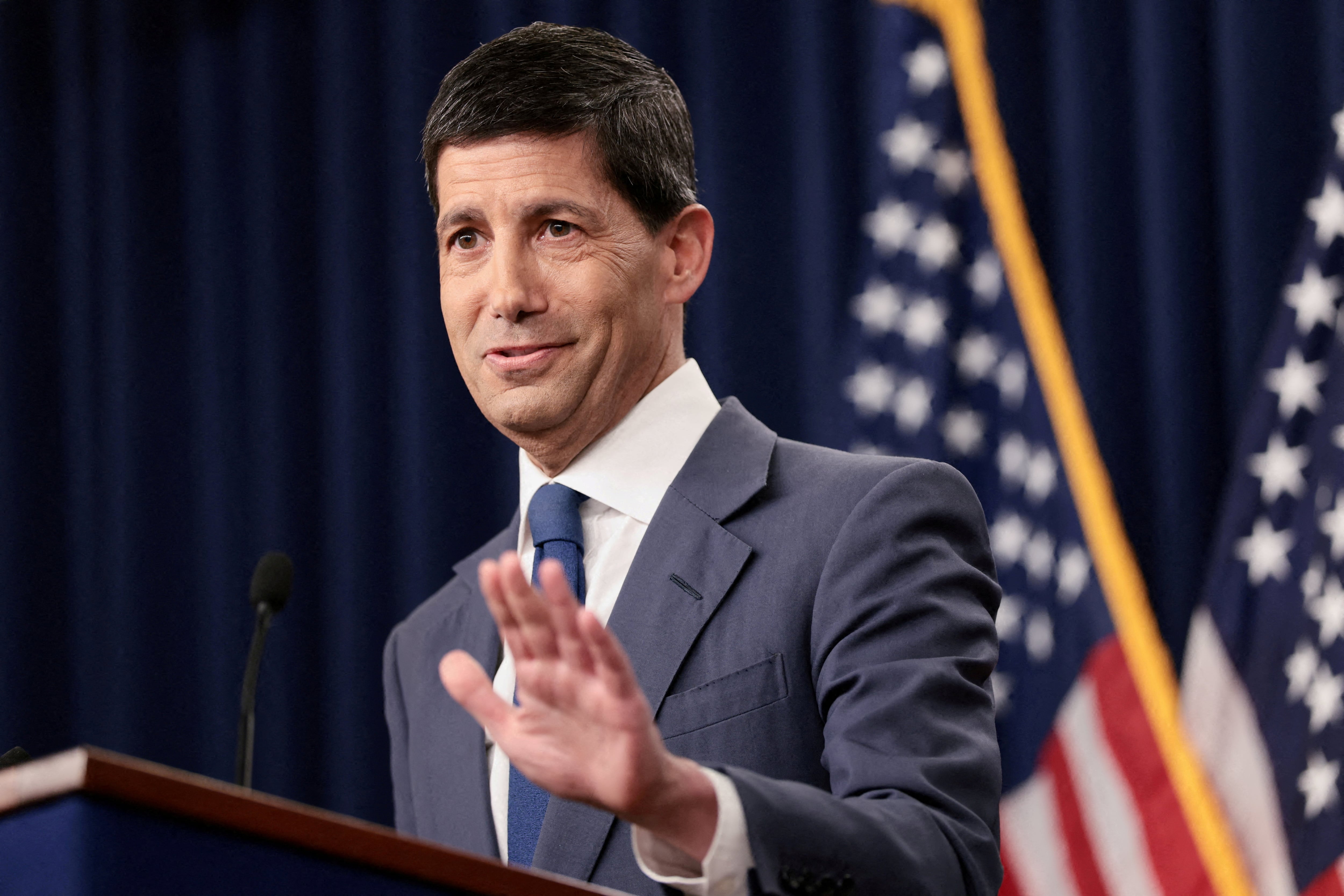
In September, the US Federal Reserve, led by Kevin Warsh, raised the key interest rate for the first time in years to keep the benchmark range between 3.75% and 4.00%. This move came as most economists expected a pause in interest rates. Fed Chair Kevin Warsh announced meetings where the central bank would not decide on interest rates, stating that the committee will only focus on the general monetary policy strategy in 2027, with no decision on the key interest rate or monetary declaration.
Warsh had previously announced a desire to fundamentally overhaul the Fed's communication approach, arguing that less signaling from the central bank would provide a clearer picture of the economy. Too many Fed signals often led to distortions. Looking ahead, there is anticipation for a potential interest rate hike in December, as indicated by the recent decision.
Inflation remains above the Fed's target, with the rate exceeding expectations for six consecutive years. Inflation was driven by energy costs due to geopolitical tensions, as well as the artificial intelligence boom and robust consumer spending.
Despite the high inflation, the European Central Bank is expected to maintain its interest rates during its meeting on Thursday, keeping the deposit rate at 2.5%. Experts believe that the Fed's decision to pause rates in September was intended to support a quicker return to the Fed's 2% inflation target. However, the rate has risen at almost double the desired rate, with consumer prices increasing by 3.7% year-on-year in September, nearing the highest level in over three years.
The upcoming U.S. parliamentary elections may have influenced the Fed's decision, as political neutrality could have been a factor. Fed Chair Kevin Warsh denied any influence from the elections, stating that he had not heard of any such impact on the decision. A rate cut, as previously demanded by President Trump, is considered unrealistic given current economic indicators.
The Fed's interest rate decisions aim to strike a balance between stable prices and maximum employment, with higher rates discouraging borrowing and slowing economic growth, while lower rates stimulate growth and employment but may also fuel inflation.
Written by urgent.news from Handelsblatt's reporting — not their text. Machine-written — may contain errors; check the original before relying on it.
This story
This is one outlet's version. Read the fullest account.