Unannounced Test by Controversial “Sunlight-as-a-Service” Space Startup Shocks Astronomers
"This is not a 'concern' — this is like a bullet in your head. It’s the end of ground-based astronomy." The post Unannounced Test by Controversial “Sunlight-as-a-Service” Space Startup Shocks Astronomers appeared first on Futurism .
Earlier this year, the US Federal Communications Commission gave the green light for the development and launch of a prototype mirror satellite by space startup Reflect Orbital. The satellite's purpose is to reflect sunlight onto specific areas of Earth during nighttime hours, a concept widely known as "sunlight-as-a-service." However, the idea has sparked widespread controversy within the astronomy community, who warn of the potential existential risks associated with having tens of thousands of such satellites lighting up the night sky.
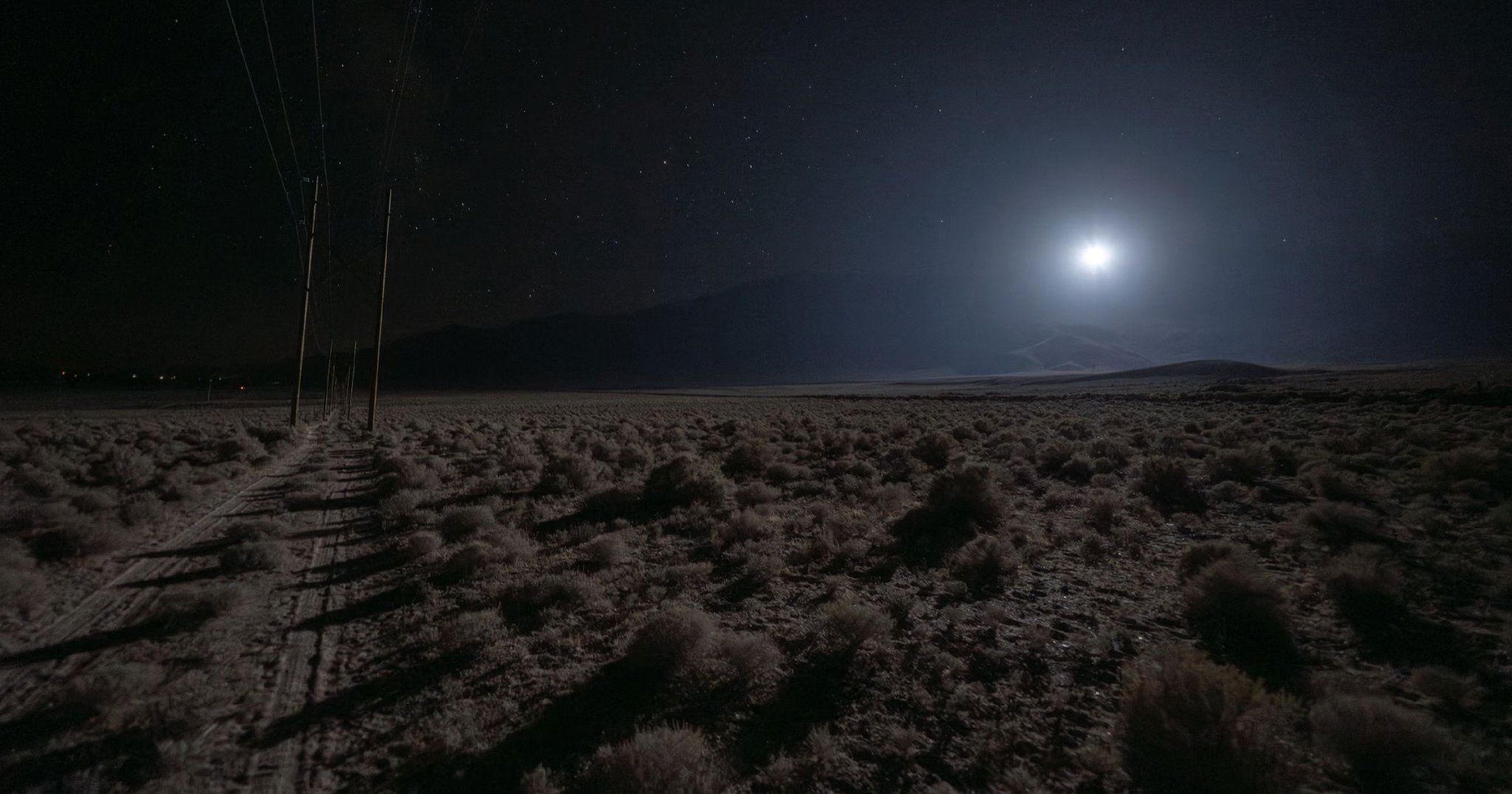
Recently, Reflect Orbital conducted an unannounced test of their concept, shining powerful spotlights on a mountainside in the California desert to simulate the capabilities of their future reflecting satellites. The company failed to inform local astronomers about the test, which angered them greatly. A promotional photo shared by Reflect Orbital shows a bright orb in the distance, casting long shadows of low brush near Lone Pine, California, a brightness level that surpasses that of a full Moon.
Local officials and even the county government were caught off guard by the test, and it remains unclear if the company obtained proper permission. Reflect Orbital maintains that reflecting sunlight could revolutionize solar power generation, assist in search and rescue missions, and help with disaster response. However, astronomers express concerns that the bright beams could ruin astronomical observations and potentially cause permanent damage to the eyes of amateur astronomers who might accidentally look at the satellites through their telescopes. Additionally, scientists warn that increased light pollution could harm nocturnal animals.
Princeton University astrophysicist Gaspar Bakos criticized Reflect Orbital's claims that the beams would be controllable and dimmable, stating that the beams could light up surroundings over 18 miles past the intended spot. He claims that the situation is akin to a "bullet in your head," stating that it would be the end of ground-based astronomy.
Other experts fear that Reflect Orbital's satellites could be utilized for nefarious purposes, such as enabling mass surveillance, and attracting clients from the military-industrial complex.
Reflect Orbital's efforts have raised questions about who has authority over the night sky. While astronomers are the most vocal about their opposition, climate scientists are also deeply concerned about the project. Earthjustice senior attorney Jan Hasselman called it an "idiotic project," emphasizing that there are numerous unresolved questions and significant potential impacts on life on Earth. The project goes against existing efforts to reduce radiation on Earth, as climate scientist David Ho points out.
Written by urgent.news from Futurism's reporting — not their text. Machine-written — may contain errors; check the original before relying on it.