Ukraine's military reveals what Russia's war has cost Moscow — in dollars, arms, and lives
With the money spent on the war, Russia could have built 1,000 new schools and 200 hospitals, and granted 1 million rubles to every child born since the start of the full-scale invasion.
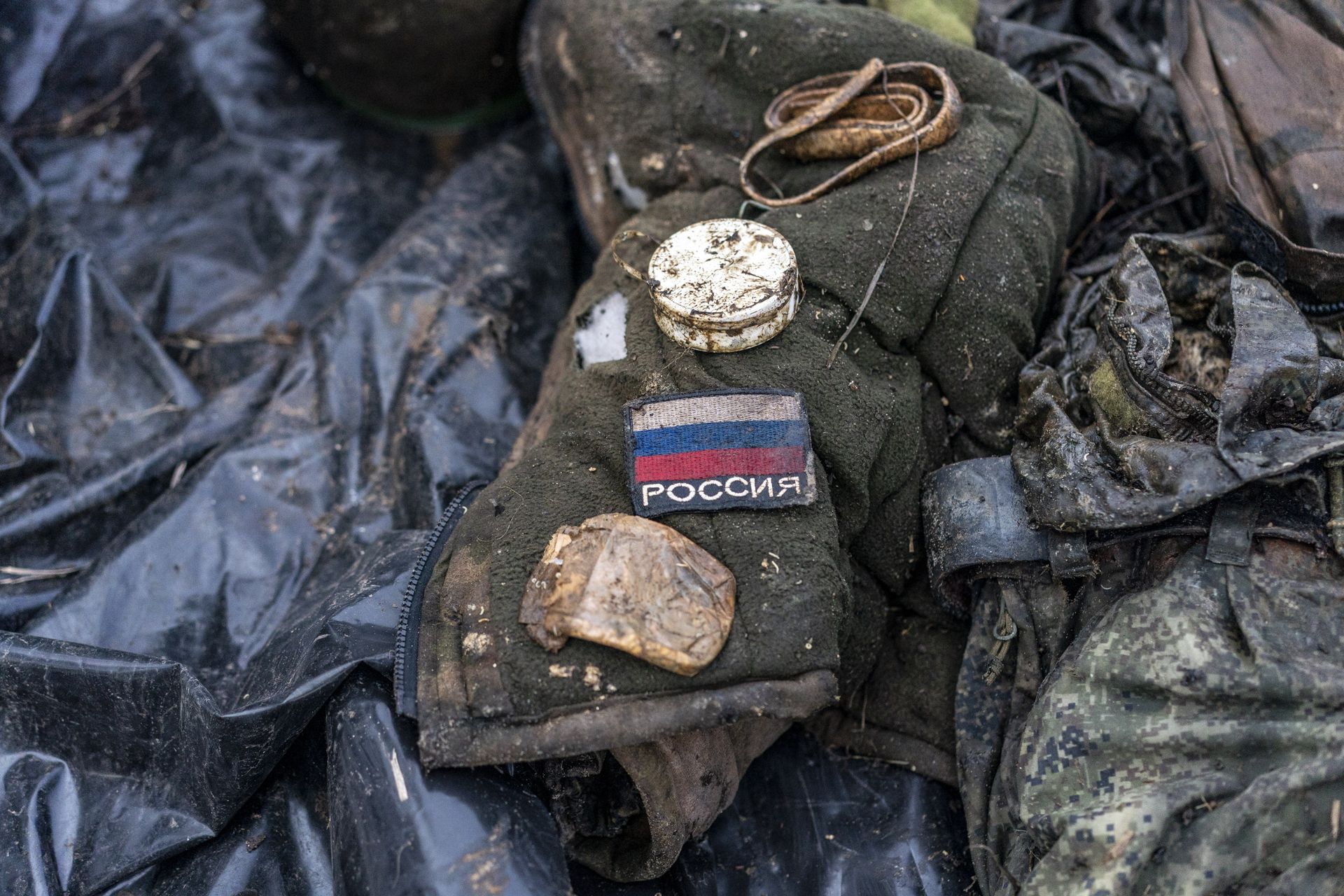
On October 28, Ukraine's General Staff released a video detailing the extensive costs of Russia's full-scale invasion in Ukraine over the past four-and-a-half years. The war's price is quantified in money, weapons, and human lives - along with the lost potential for investment in Russia's future. The video marks the 1,707th day of Russia's invasion of Ukraine.
According to the General Staff, Russia has suffered over 1,580,000 casualties since the February 24, 2022 invasion began. This includes both killed and wounded soldiers, resulting in a daily loss of nearly 1,000 people, with one Russian soldier dying every 90 seconds.
The invasion has also cost Russia over $204 billion in military equipment. This includes 12,448 tanks, 51,674 artillery systems, and 25,609 armored combat vehicles. Additionally, Ukraine has destroyed 449 Russian aircraft, 356 helicopters, 35 vessels, and two submarines. Russia has lost over 5,000 missiles and more than 585,000 drones, the military reports.
The Russian government has spent over $95 million daily in compensation for the deceased and injured. The war has also taken a significant toll on Russia's oil industry, which has faced international sanctions and extensive attacks from Ukraine. As a result, Russia's oil industry has suffered total losses of $13.5 billion in 2025 alone. Every year since the invasion, the war has further eroded Russia's economy, with the war accounting for 4% of Russia's GDP in 2022, rising to 7.5% in 2025.
Since the start of the invasion, Russia has spent over $700 billion on the war. This money could fund the construction of 10,000 kilometers of modern highways, 1,000 new schools, 200 large hospitals, provide a million rubles to every child born since the invasion, double pension payments for pensioners for two years, and invest the remainder in science - more than Russia has invested in the sector in the past decade. Russia, however, chose war instead of using this money to improve its future.
Written by urgent.news from Kyiv Independent's reporting — not their text. Machine-written — may contain errors; check the original before relying on it.